1,2-Di(1-naphthyl)ethane is a chemical compound widely used in laboratory settings for the synthesis of complex organic molecules. It serves as a key building block in organic chemistry, enabling the formation of specific molecular structures through various chemical reactions. This compound is particularly valuable in the development of larger carbon chains, making it essential for the synthesis of heterocyclic and aromatic compounds. Its role in chemical research is significant, as it provides a versatile foundation for experimental work in both academic and industrial laboratories.
The compound is known for its chemical stability and good reactivity, which make it a preferred choice for a wide range of experimental conditions. Its molecular structure, consisting of two naphthyl groups connected by an ethane chain, allows for flexibility in substitution reactions and other chemical transformations. This structural feature enhances its utility in synthetic pathways, enabling chemists to tailor reactions to specific outcomes. The compound's adaptability and reliability in different reaction environments make it a go-to material for researchers seeking consistent results.
In Indonesian laboratories, 1,2-Di(1-naphthyl)ethane is commonly used in organic chemistry research, especially in higher education institutions and research centers. It plays a crucial role in various chemical synthesis projects, supporting the development of new compounds and materials. Its widespread use in these settings highlights its importance as a fundamental reagent in the pursuit of scientific discovery and innovation.
Related TCI products
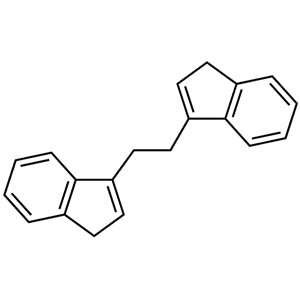
- TCI B2281 18657-57-3 1,2-Bis(3-indenyl)ethane
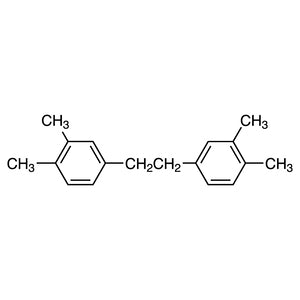
- TCI B1851 34101-86-5 1,2-Bis(3,4-dimethylphenyl)ethane
- TCI N1135 855828-36-3 9-(1-Naphthyl)-10-(2-naphthyl)anthracene
- TCI N0994 7424-70-6 9-(1-Naphthyl)anthracene
- TCI D3975 26979-27-1 9,10-Di(1-naphthyl)anthracene
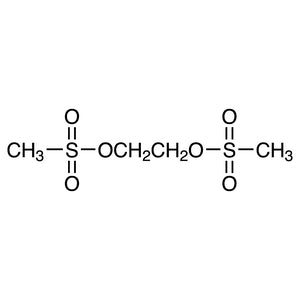
- TCI E1535 4672-49-5 Ethane-1,2-diyl Dimethanesulfonate
- Organic synthesis projects benefit from this compound due to its ability to form complex molecular structures through substitution reactions.
- It is ideal for the development of heterocyclic compounds, as its structure supports the formation of ring systems in synthetic pathways.
- In aromatic compound synthesis, the naphthyl groups contribute to the stability and reactivity needed for effective chemical transformations.
- It is commonly used in research involving carbon chain extension, providing a flexible platform for building larger organic molecules.
- Its stability and reactivity make it suitable for use in a variety of reaction conditions, enhancing its versatility in laboratory settings.
| Brand | TCI |
|---|---|
| CAS number | 15374-45-5 |
| Molecular formula | — |
| Purity | — |
| Category | Chemistry > Building Blocks > Non-Heterocyclic Building Blocks |
| Pack sizes | Available in various quantities as per supplier specifications |
| Physical form | Solid |
| Storage | Store in a cool, dry place away from direct sunlight |
This compound should be stored in a cool, dry environment to maintain its chemical stability. It is recommended to keep it in a sealed container to prevent exposure to moisture and air. Proper ventilation is essential when handling the material to minimize inhalation risks. Avoid contact with skin and eyes, and use appropriate personal protective equipment such as gloves and safety goggles. The compound should be stored away from incompatible materials to ensure safety in the laboratory. Regular inspection of storage conditions is advised to maintain optimal handling and safety standards.
—
Produk Terkait
-
1,2-Bis(3-indenyl)ethane TCI B2281
Regular price From Rp 1.035.300,00Regular price -
1,2-Bis(3,4-dimethylphenyl)ethane TCI B1851
Regular price Rp 1.167.600,00Regular price -
9-(1-Naphthyl)-10-(2-naphthyl)anthracene TCI N1135
Regular price From Rp 2.121.000,00Regular price -
9-(1-Naphthyl)anthracene TCI N0994
Regular price From Rp 743.400,00Regular price -
9,10-Di(1-naphthyl)anthracene TCI D3975
Regular price From Rp 1.538.250,00Regular price -
Ethane-1,2-diylDimethanesulfonate TCI E1535
Regular price From Rp 3.340.050,00Regular price -
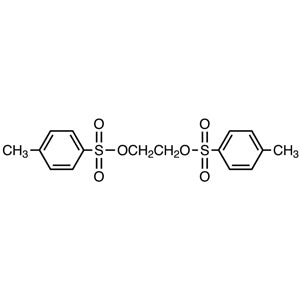
1,2-Bis(tosyloxy)ethane TCI E0438
Regular price From Rp 2.837.100,00Regular price -
Tetrakis(acetoxymethyl)1,2-Bis(2-aminophenoxy)ethane-N,N,N',N'-tetraacetate TCI T2845
Regular price From Rp 1.538.250,00Regular price