1,2-Bis(2-aminophenoxy)ethane-N,N,N',N'-tetraacetic Acid, commonly known as BAPTA, is a synthetic reagent widely used in laboratory settings for its chelating properties. It is a key compound in analytical and biochemical research due to its ability to bind with metal ions, particularly calcium. This chelating agent plays a crucial role in controlling metal ion concentrations in chemical reactions, making it indispensable in various experimental protocols. Its high reactivity and specificity make it a valuable tool for studying molecular interactions and reaction mechanisms.
BAPTA's complex chemical structure allows it to efficiently form stable complexes with a range of metal ions. This property makes it a preferred choice for applications requiring precise control over metal ion availability. Its solubility in organic solvents and stability under specific conditions further enhance its utility in laboratory environments. These characteristics ensure that BAPTA remains a reliable and effective reagent for a wide array of scientific investigations. Additionally, its relatively non-toxic nature reduces potential risks to researchers, contributing to safer laboratory practices.
In Indonesian laboratories, BAPTA is extensively used in scientific research and educational institutions. It is a staple in both academic and industrial research settings, supporting studies in biochemistry, analytical chemistry, and molecular biology. Its availability through reliable suppliers like AMI Scientific ensures that researchers have access to this essential reagent for their experiments and investigations.
TCI brochures (PDF)
- Calcium Signaling Research Reagents 2025-05-26 · p. 1
- Titration Reagents and TLC Stains 2026-05-07 · p. 8
Related TCI products
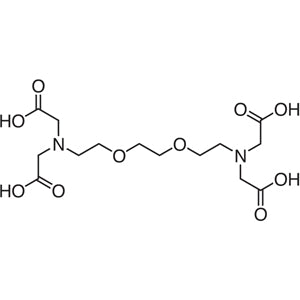
- TCI E0106 67-42-5 Ethylene Glycol Bis(2-aminoethyl Ether)-N,N,N',N'-tetraacetic Acid
- TCI T2845 126150-97-8 Tetrakis(acetoxymethyl) 1,2-Bis(2-aminophenoxy)ethane-N,N,N',N'-tetraacetate
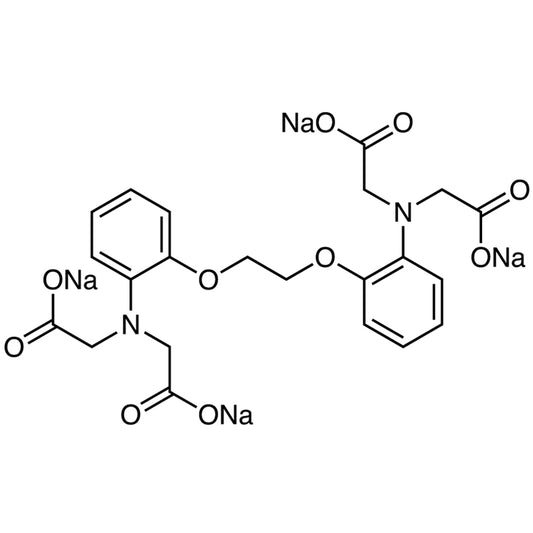
- TCI T2844 126824-24-6 Tetrasodium 1,2-Bis(2-aminophenoxy)ethane-N,N,N',N'-tetraacetate
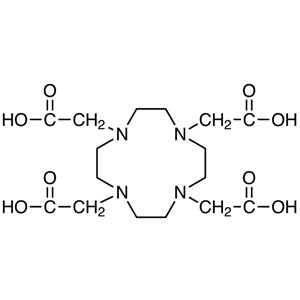
- TCI T1875 60239-18-1 1,4,7,10-Tetraazacyclododecane-1,4,7,10-tetraacetic Acid
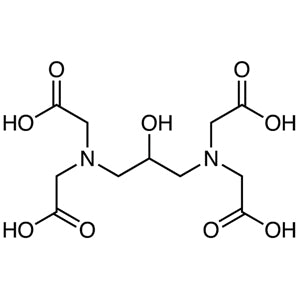
- TCI D1330 3148-72-9 1,3-Diamino-2-propanol-N,N,N',N'-tetraacetic Acid
- TCI E0805 67-42-5 Ethylene Glycol Bis(2-aminoethyl Ether)-N,N,N',N'-tetraacetic Acid [for Biochemical Research]
- Used in calcium ion binding studies due to its high affinity for calcium, making it ideal for experiments requiring precise metal ion control.
- Applied in fluorescence spectroscopy to monitor metal ion interactions, as BAPTA's complexation properties enhance signal detection.
- Employed in biochemical assays to modulate enzyme activity by controlling metal ion concentrations, which are often critical for enzymatic function.
- Utilized in molecular imaging techniques to track ion dynamics in biological systems, leveraging BAPTA's ability to form stable complexes.
- Integrated into synthetic chemistry protocols where metal ion chelation is necessary to prevent unwanted side reactions and maintain reaction specificity.
| Brand | TCI |
|---|---|
| CAS number | 85233-19-8 |
| Molecular formula | — |
| Purity | — |
| Category | Chemistry > Synthetic Reagents > Chelation/Complexation Compounds |
| Pack sizes | Available in various quantities as per supplier specifications |
| Physical form | Solid powder |
| Storage | Store in a cool, dry place away from light and moisture |
BAPTA should be stored in a cool, dry place, away from direct light and moisture to maintain its chemical integrity. It is recommended to use airtight containers to prevent exposure to humidity and contaminants. Due to its reactivity, it should be handled with care in a well-ventilated area, and appropriate personal protective equipment should be worn when handling. While it is relatively non-toxic, it is still important to follow standard laboratory safety protocols to minimize any potential risks. Proper storage and handling ensure the reagent remains effective and safe for use in laboratory applications.
—
Produk Terkait
-
EthyleneGlycolBis(2-aminoethylEther)-N,N,N',N'-tetraaceticAcid TCI E0106
Regular price Rp 3.100.650,00Regular priceRp 2.184.000,00Sale price Rp 3.100.650,00 -
Tetrakis(acetoxymethyl)1,2-Bis(2-aminophenoxy)ethane-N,N,N',N'-tetraacetate TCI T2845
Regular price From Rp 1.590.750,00Regular priceRp 1.127.700,00Sale price From Rp 1.590.750,00 -
Tetrasodium1,2-Bis(2-aminophenoxy)ethane-N,N,N',N'-tetraacetate TCI T2844
Regular price From Rp 1.458.450,00Regular priceRp 1.035.300,00Sale price From Rp 1.458.450,00 -
1,4,7,10-Tetraazacyclododecane-1,4,7,10-tetraaceticAcid TCI T1875
Regular price From Rp 4.399.500,00Regular priceRp 3.092.250,00Sale price From Rp 4.399.500,00 -
1,3-Diamino-2-propanol-N,N,N',N'-tetraaceticAcid TCI D1330
Regular price From Rp 1.405.950,00Regular priceRp 998.550,00Sale price From Rp 1.405.950,00 -
EthyleneGlycolBis(2-aminoethylEther)-N,N,N',N'-tetraaceticAcid[forBiochemicalResearch] TCI E0805
Regular price From Rp 1.220.100,00Regular priceRp 868.350,00Sale price From Rp 1.220.100,00 -
TCI T2450 1,1,1-Tris[4-(per-O-methyl-alpha-cyclodextrin-6-yloxy)phenyl]ethane
Regular price Rp 5.910.450,00Regular priceRp 4.148.550,00Sale price Rp 5.910.450,00 -
1,2-Bis(phenylsulfinyl)ethanePalladium(II)Diacetate TCI B3292
Regular price From Rp 1.167.600,00Regular priceRp 831.600,00Sale price From Rp 1.167.600,00