TCI M3899 4-(4-Methoxyphenyl)but-3-en-2-one, also widely known as anisylideneacetone, is a conjugated aromatic enone that is commonly used as a starting material or building block in organic synthesis. Its molecular structure combines a methoxy-substituted benzene ring with a but-3-en-2-one chain, giving rise to a highly reactive alpha-beta unsaturated carbonyl system. In the laboratory, this compound serves as a core scaffold for constructing more complex molecules, ranging from synthetic flavonoid derivatives and pyrazolines through to a variety of nitrogen-containing heterocycles required in medicinal chemistry and materials chemistry research.
The characteristics that make this compound a frequent choice are its dual behaviour as a Michael acceptor as well as a dienophile component and a condensation substrate. The methoxy group at the para position is electron-donating and stabilises the conjugated system, so the compound shows absorption in the ultraviolet region that is useful for photochemical studies and optical materials work. The polarised carbon-carbon double bond facilitates nucleophilic attack at the beta position, while the carbonyl group remains available for condensation with hydrazine and hydroxylamine-type reagents, giving synthetic chemists two independent reactive handles on a single, readily handled scaffold.
In Indonesian laboratories, this building block is typically encountered in university research groups, institutional synthetic chemistry laboratories, and industrial R&D units engaged in medicinal chemistry and materials development. It is generally used at bench scale for method development, for preparing heterocyclic libraries, and for teaching advanced organic synthesis techniques such as Michael addition and cyclocondensation. Researchers value the fact that a single reagent supports several distinct transformations, which simplifies reagent inventories in laboratories that must plan procurement well in advance.
Related TCI products
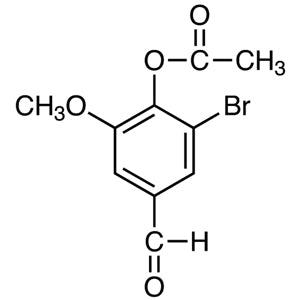
- TCI B5230 308088-29-1 2-Bromo-4-formyl-6-methoxyphenyl Acetate
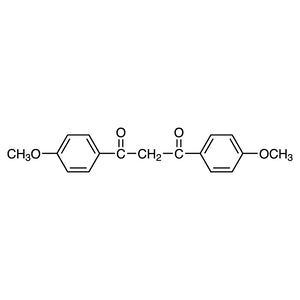
- TCI B1733 18362-51-1 1,3-Bis(4-methoxyphenyl)-1,3-propanedione
- TCI A2946 881-57-2 5-Formyl-2-methoxyphenyl Acetate
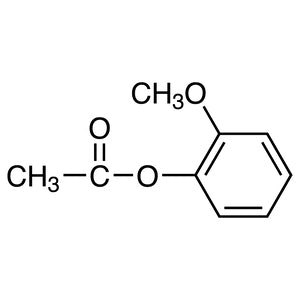
- TCI A1381 613-70-7 2-Methoxyphenyl Acetate
- TCI M3888 20401-88-1 3-(4-Methoxyphenyl)propanal
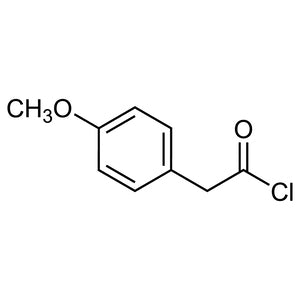
- TCI M3877 4693-91-8 2-(4-Methoxyphenyl)acetyl Chloride
- Michael addition chemistry: the polarised alpha-beta unsaturated carbonyl system makes the beta position readily susceptible to nucleophilic attack, providing a dependable model substrate for conjugate addition studies and method development.
- Pyrazoline synthesis: the retained carbonyl group condenses with hydrazine-type reagents while the adjacent double bond permits ring closure, giving direct access to pyrazoline frameworks of interest in medicinal chemistry research.
- Synthetic flavonoid derivative preparation: the methoxy-substituted aromatic ring combined with the enone chain reproduces the structural motif required as an intermediate on the way to flavonoid-type target molecules.
- Nitrogen heterocycle construction: the compound functions as a versatile scaffold for cyclocondensation routes leading to a range of nitrogen-containing heterocycles needed in medicinal chemistry and materials chemistry programmes.
- Photochemical and optical materials studies: the electron-donating para methoxy group stabilises the conjugated system and produces ultraviolet absorption, making the material suitable for photochemical investigation and optical materials characterisation work.
| Brand | TCI (Tokyo Chemical Industry) |
|---|---|
| CAS number | 943-88-4 |
| Molecular formula | — |
| Purity | — |
| Category | Chemistry > Building Blocks > Non-Heterocyclic Building Blocks |
| Pack sizes | available in the standard research-scale pack sizes offered by the manufacturer; please confirm the sizes currently listed for this catalogue item |
| Physical form | — |
| Storage | store in a cool, dry place in a tightly closed container, protected from light |
- Chemical name: 4-(4-Methoxyphenyl)but-3-en-2-one, also known as anisylideneacetone
Store this building block in a tightly closed original container in a cool, dry, well-ventilated area, away from direct sunlight and from sources of heat or ignition. Because the conjugated enone system is light-sensitive, amber glass or an opaque secondary container is preferred, and the material should be returned to storage promptly after weighing. Handle the compound in a fume hood using gloves, safety glasses, and a laboratory coat, and avoid contact with skin, eyes, and inhalation of dust. Keep it separated from strong oxidising agents and from strong nucleophiles or bases that could initiate unwanted conjugate addition. Always consult the manufacturer's Safety Data Sheet before use, and dispose of residues and contaminated materials through the laboratory's designated chemical waste stream.
—
Produk Terkait
-
2-Bromo-4-formyl-6-methoxyphenylAcetate TCI B5230
Regular price Rp 1.749.300,00Regular price -
1,3-Bis(4-methoxyphenyl)-1,3-propanedione TCI B1733
Regular price From Rp 4.056.150,00Regular price -
5-Formyl-2-methoxyphenylAcetate TCI A2946
Regular price From Rp 2.466.450,00Regular price -
2-MethoxyphenylAcetate TCI A1381
Regular price Rp 4.056.150,00Regular price -
3-(4-Methoxyphenyl)propanal TCI M3888
Regular price Rp 3.605.700,00Regular price -
2-(4-Methoxyphenyl)acetylChloride TCI M3877
Regular price From Rp 1.087.800,00Regular price -
4-MethoxyphenylAcetate TCI M3734
Regular price From Rp 1.749.300,00Regular price -
N-(3-Methoxyphenyl)acetamide TCI M3727
Regular price Rp 1.035.300,00Regular price