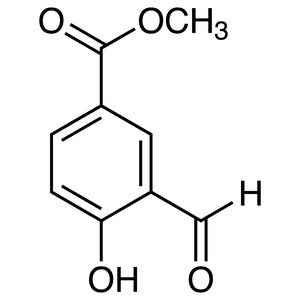
2-Bromo-4-formyl-6-methoxyphenyl Acetate is a chemical compound widely used in organic synthesis reactions within laboratory settings. It serves as a versatile building block, enabling the creation of more complex molecular structures through various chemical transformations. This compound is particularly valuable in synthetic chemistry due to its functional groups, which allow for multiple reaction pathways. Its presence in laboratory research underscores its importance in the development of new compounds and materials.
The compound's unique combination of bromo, formyl, and methoxy functional groups contributes to its high reactivity and adaptability in chemical reactions. These groups provide multiple sites for substitution, oxidation, and other synthetic manipulations, making it a preferred choice for chemists. The complex molecular structure of 2-Bromo-4-formyl-6-methoxyphenyl Acetate allows for its use in the synthesis of heterocyclic compounds and other specialized chemical entities. Its stability and reactivity make it a reliable reagent in organic synthesis.
In Indonesian laboratories, this compound is commonly used in organic chemistry research, especially in academic institutions and research centers. It is a key reagent in the development of new chemical compounds, pharmaceuticals, and materials. Its availability and chemical properties make it an essential component in various synthetic processes conducted in both educational and industrial research environments.
Related TCI products
- TCI A2946 881-57-2 5-Formyl-2-methoxyphenyl Acetate
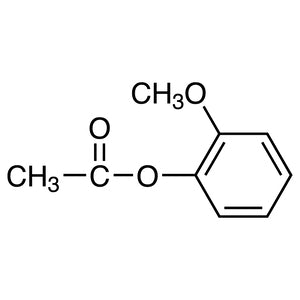
- TCI A1381 613-70-7 2-Methoxyphenyl Acetate
- TCI M3734 1200-06-2 4-Methoxyphenyl Acetate
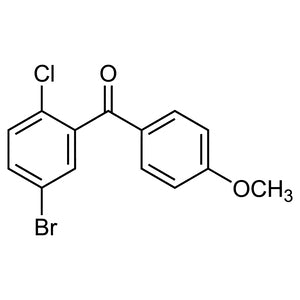
- TCI B6858 333361-49-2 (5-Bromo-2-chlorophenyl)(4-methoxyphenyl)methanone
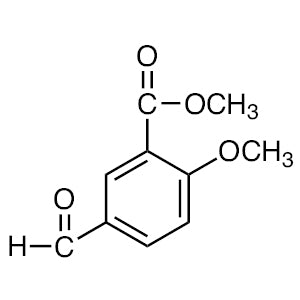
- TCI M3327 78515-16-9 Methyl 5-Formyl-2-methoxybenzoate
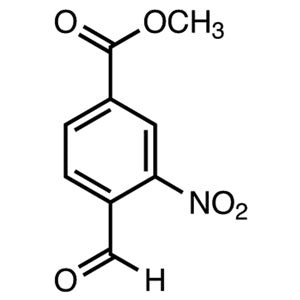
- TCI M3198 153813-69-5 Methyl 4-Formyl-3-nitrobenzoate
- Organic synthesis reactions where functional group manipulation is required, due to its bromo, formyl, and methoxy groups enabling multiple reaction pathways.
- Development of pharmaceutical compounds, as its structure can be modified to create new drug molecules through chemical transformations.
- Research in heterocyclic compound synthesis, as its molecular structure supports the formation of complex ring systems.
- Investigation of chemical reactivity and stability in synthetic chemistry, due to its well-defined functional groups and predictable behavior.
- Educational purposes in chemistry laboratories, where it is used to teach students about functional group reactivity and synthesis techniques.
| Brand | TCI |
|---|---|
| CAS number | 308088-29-1 |
| Molecular formula | — |
| Purity | — |
| Category | Chemistry > Building Blocks > Non-Heterocyclic Building Blocks |
| Pack sizes | 25g, 100g, 500g |
| Physical form | Solid (crystalline or powder, depending on packaging) |
| Storage | Store in a cool, dry place away from light and moisture |
This compound should be stored in a cool, dry place, away from direct light and moisture to maintain its chemical integrity. It is recommended to use airtight containers to prevent exposure to air and humidity, which could affect its stability. Due to its reactivity, it should be handled in a well-ventilated area, and appropriate personal protective equipment such as gloves and safety goggles should be worn. It is not recommended to store it near incompatible substances such as strong oxidizers or acids. Proper labeling of storage containers is essential for safety and identification purposes. Always follow standard laboratory safety protocols when handling and storing chemical compounds.
—
Produk Terkait
-
5-Formyl-2-methoxyphenylAcetate TCI A2946
Regular price From Rp 2.518.950,00Regular priceRp 1.776.600,00Sale price From Rp 2.518.950,00 -
2-MethoxyphenylAcetate TCI A1381
Regular price Rp 4.056.150,00Regular priceRp 2.836.050,00Sale price Rp 4.056.150,00 -
4-MethoxyphenylAcetate TCI M3734
Regular price From Rp 1.749.300,00Regular priceRp 1.223.250,00Sale price From Rp 1.749.300,00 -
(5-Bromo-2-chlorophenyl)(4-methoxyphenyl)methanone TCI B6858
Regular price Rp 5.485.200,00Regular priceRp 3.851.400,00Sale price Rp 5.485.200,00 -
Methyl5-Formyl-2-methoxybenzoate TCI M3327
Regular price From Rp 1.192.800,00Regular priceRp 849.450,00Sale price From Rp 1.192.800,00 -
Methyl4-Formyl-3-nitrobenzoate TCI M3198
Regular price From Rp 1.378.650,00Regular priceRp 979.650,00Sale price From Rp 1.378.650,00 -
Methyl3-Formyl-4-hydroxybenzoate TCI F1349
Regular price Rp 4.823.700,00Regular priceRp 3.388.350,00Sale price Rp 4.823.700,00 -
4-Formyl-trans-stilbene TCI F0412
Regular price From Rp 2.969.400,00Regular priceRp 2.075.850,00Sale price From Rp 2.969.400,00