1,3-Bis(4-methoxyphenyl)-1,3-propanedione is a chemical compound widely used in synthetic laboratory reactions. As a building block, it serves as a fundamental component in the creation of more complex chemical structures. This compound is particularly valuable for its versatility and reactivity, making it an essential tool for chemists engaged in organic synthesis. Its presence in various research applications highlights its importance in both academic and industrial settings.
The compound’s stable molecular structure and controlled reactivity make it a preferred choice for researchers. Its molecular framework includes two methoxy groups attached to aromatic rings, along with reactive carbonyl groups, enabling it to participate in substitution and condensation reactions. These properties allow it to be used in a wide range of synthetic pathways, including acylation and condensation reactions. Its chemical stability and reactivity ensure consistent results in laboratory experiments.
In Indonesian laboratories, 1,3-Bis(4-methoxyphenyl)-1,3-propanedione is commonly used in organic chemistry research. It plays a key role in the synthesis of new compounds with potential pharmaceutical or industrial applications. Due to its purity and stability, it is easily stored and used under various laboratory conditions. Its widespread use in research institutions underscores its importance in advancing chemical innovation in Indonesia.
TCI brochures (PDF)
- Ligands 2025-12-01 · p. 18
Related TCI products
- TCI D0910 120-46-7 1,3-Diphenyl-1,3-propanedione
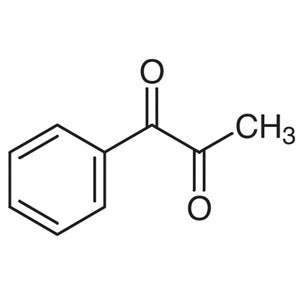
- TCI P0210 579-07-7 1-Phenyl-1,2-propanedione
- TCI D2324 16619-55-9 2,2-Dibromo-1,3-diphenyl-1,3-propanedione
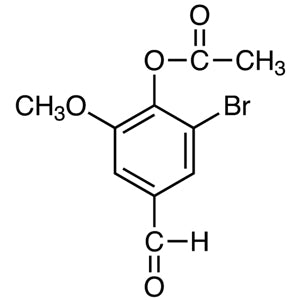
- TCI B5230 308088-29-1 2-Bromo-4-formyl-6-methoxyphenyl Acetate
- TCI A2946 881-57-2 5-Formyl-2-methoxyphenyl Acetate
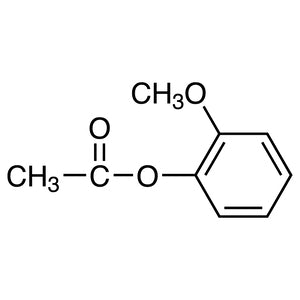
- TCI A1381 613-70-7 2-Methoxyphenyl Acetate
- Organic synthesis applications benefit from this compound’s reactivity and structural versatility, enabling the creation of complex aromatic and heterocyclic compounds.
- Pharmaceutical research utilizes it as a precursor for developing new drug molecules with targeted biological activities.
- Industrial chemical processes incorporate it for the production of specialty chemicals and intermediates with high functional group compatibility.
- Academic research laboratories use it to explore new synthetic methodologies and reaction mechanisms in organic chemistry.
- Analytical chemistry studies employ it as a reference standard for evaluating reaction efficiency and purity in synthetic pathways.
| Brand | TCI |
|---|---|
| CAS number | 18362-51-1 |
| Molecular formula | — |
| Purity | — |
| Category | Chemistry > Building Blocks > Non-Heterocyclic Building Blocks |
| Pack sizes | Available in standard laboratory quantities |
| Physical form | Solid |
| Storage | Store in a cool, dry place away from light and moisture |
This compound should be stored in a cool, dry environment, away from direct light and moisture to maintain its chemical stability. It is recommended to use airtight containers to prevent exposure to air and humidity, which could affect its reactivity. In laboratory settings, it should be handled with appropriate personal protective equipment to ensure safety. Due to its reactive nature, it should be stored separately from incompatible substances. Regular inspection of storage conditions is advised to ensure the compound remains in optimal condition for use. Proper labeling and safe handling practices are essential to prevent accidental exposure and maintain laboratory safety standards.
—
Produk Terkait
-
1,3-Diphenyl-1,3-propanedione TCI D0910
Regular price From Rp 689.850,00Regular priceRp 481.950,00Sale price From Rp 689.850,00 -
1-Phenyl-1,2-propanedione TCI P0210
Regular price Rp 3.260.250,00Regular priceRp 2.279.550,00Sale price Rp 3.260.250,00 -
2,2-Dibromo-1,3-diphenyl-1,3-propanedione TCI D2324
Regular price Rp 1.696.800,00Regular priceRp 1.202.250,00Sale price Rp 1.696.800,00 -
2-Bromo-4-formyl-6-methoxyphenylAcetate TCI B5230
Regular price Rp 1.749.300,00Regular priceRp 1.223.250,00Sale price Rp 1.749.300,00 -
5-Formyl-2-methoxyphenylAcetate TCI A2946
Regular price From Rp 2.518.950,00Regular priceRp 1.776.600,00Sale price From Rp 2.518.950,00 -
2-MethoxyphenylAcetate TCI A1381
Regular price Rp 4.056.150,00Regular priceRp 2.836.050,00Sale price Rp 4.056.150,00 -
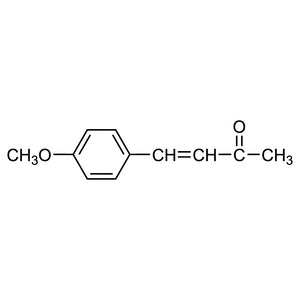
4-(4-Methoxyphenyl)but-3-en-2-one TCI M3899
Regular price From Rp 2.411.850,00Regular priceRp 1.702.050,00Sale price From Rp 2.411.850,00 -
3-(4-Methoxyphenyl)propanal TCI M3888
Regular price Rp 3.605.700,00Regular priceRp 2.521.050,00Sale price Rp 3.605.700,00