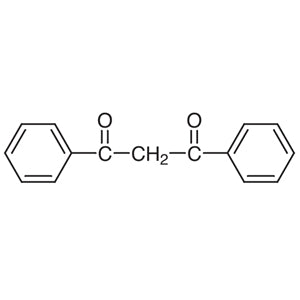
1,3-Diphenyl-1,3-propanedione is a chemical compound widely used in organic reactions as a building block or intermediate. It plays a crucial role in the synthesis of complex molecules and various substitution reactions. As a key component in the category of non-heterocyclic building blocks, this compound is essential for the development of new substances with specific properties. Its versatility makes it a valuable resource in both academic and industrial research settings.
This compound is known for its stable molecular structure and moderate reactivity, which allows for efficient chemical reactions. Its polar nature enables it to dissolve in organic solvents such as ethyl acetate and chloroform, making it suitable for a wide range of chemical processes. These characteristics ensure that it remains a preferred choice for researchers requiring controlled reactivity and stability in their experiments.
In Indonesian laboratories, 1,3-Diphenyl-1,3-propanedione is commonly used as a raw material in chemical research, particularly in the development of pharmaceutical and chemical compounds. Its availability in various packaging forms makes it convenient for laboratory use. Its role in creating specific molecular structures is vital for advancing research in chemistry and related fields.
TCI brochures (PDF)
- Ligands 2025-12-01 · p. 18
Related TCI products
- TCI D2324 16619-55-9 2,2-Dibromo-1,3-diphenyl-1,3-propanedione
- TCI B1733 18362-51-1 1,3-Bis(4-methoxyphenyl)-1,3-propanedione
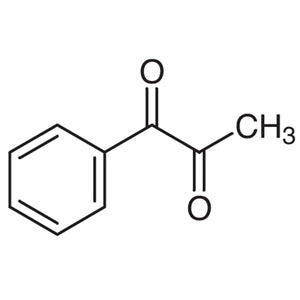
- TCI P0210 579-07-7 1-Phenyl-1,2-propanedione
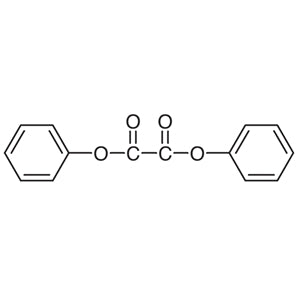
- TCI O0111 3155-16-6 Diphenyl Oxalate
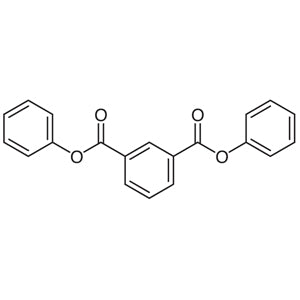
- TCI I0416 744-45-6 Diphenyl Isophthalate
- TCI D6039 641-57-6 7,9-Diphenyl-8H-cyclopenta[a]acenaphthylen-8-one
- Organic synthesis applications benefit from this compound due to its ability to participate in substitution and condensation reactions, providing a stable and reactive intermediate.
- Pharmaceutical research utilizes this compound to synthesize complex molecules with specific functional groups, aiding in drug development and compound modification.
- Chemical analysis experiments often use this compound as a standard reference due to its predictable reactivity and solubility in common organic solvents.
- Industrial chemical production relies on this compound for the creation of intermediates in the manufacturing of dyes, polymers, and other specialty chemicals.
- Structural chemistry studies use this compound to explore molecular interactions and reactivity patterns in synthetic pathways.
| Brand | TCI |
|---|---|
| CAS number | 120-46-7 |
| Molecular formula | — |
| Purity | — |
| Category | Chemistry > Building Blocks > Non-Heterocyclic Building Blocks |
| Pack sizes | Available in various packaging options for laboratory use |
| Physical form | Solid |
| Storage | Store in a cool, dry place away from direct sunlight |
This compound should be stored in a cool, dry place, away from direct sunlight and sources of heat. It is recommended to use airtight containers to prevent moisture absorption and contamination. Due to its polar nature, it is important to handle it with appropriate personal protective equipment, such as gloves and safety goggles, to ensure laboratory safety. Proper ventilation should be maintained when handling this compound to minimize exposure. It is not recommended to store this compound near incompatible materials such as strong oxidizers or acids. Regular inspection of storage conditions is advised to maintain its stability and effectiveness in laboratory applications.
—
Produk Terkait
-
2,2-Dibromo-1,3-diphenyl-1,3-propanedione TCI D2324
Regular price Rp 1.644.300,00Regular price -
1,3-Bis(4-methoxyphenyl)-1,3-propanedione TCI B1733
Regular price From Rp 4.056.150,00Regular price -
1-Phenyl-1,2-propanedione TCI P0210
Regular price Rp 3.260.250,00Regular price -
DiphenylOxalate TCI O0111
Regular price From Rp 2.597.700,00Regular price -
DiphenylIsophthalate TCI I0416
Regular price From Rp 1.298.850,00Regular price -
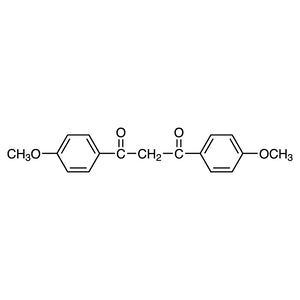
7,9-Diphenyl-8H-cyclopenta[a]acenaphthylen-8-one TCI D6039
Regular price From Rp 955.500,00Regular price -
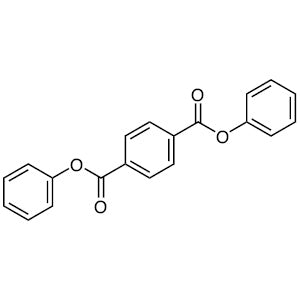
DiphenylTerephthalate TCI D5995
Regular price From Rp 2.094.750,00Regular price -
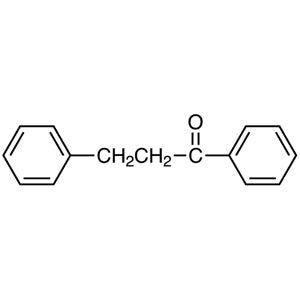
1,3-Diphenyl-1-propanone TCI D5479
Regular price From Rp 795.900,00Regular price

![7,9-Diphenyl-8H-cyclopenta[a]acenaphthylen-8-one (CAS 641-57-6) - TCI D6039 - AMI Scientific](http://amiscientific.com/cdn/shop/files/TCI2510D6039.jpg?v=1767109627&width=533)