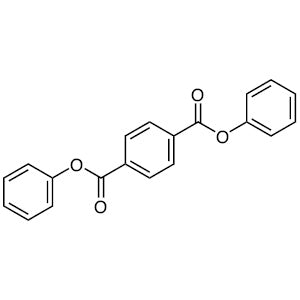
Diphenyl Terephthalate is a chemical compound widely used as a foundational material in the synthesis of complex organic compounds. In laboratory settings, it serves as a key component in esterification and polymerization reactions, contributing to the development of new materials and chemical structures. Its role is essential in organic chemistry research, where it supports the creation of diverse chemical products through controlled chemical processes. This compound is particularly valued for its reliability and consistency in experimental outcomes.
The compound’s stable molecular structure and controlled reactivity make it a preferred choice for researchers. It exhibits consistent chemical properties, allowing it to react predictably with various substances. Its solubility in organic solvents enhances its usability in a wide range of laboratory conditions. These characteristics ensure that it remains a reliable and versatile reagent in chemical synthesis and experimentation. Its ability to withstand harsh reaction environments further increases its utility in advanced chemical processes.
In Indonesian laboratories, Diphenyl Terephthalate is extensively used in chemical research, particularly in educational institutions and research centers. It is commonly found in organic chemistry laboratories where it supports both teaching and experimental research. Its availability in various packaging sizes makes it convenient for different experimental needs. Its stable properties and predictable behavior make it an essential tool for both academic and industrial chemical applications.
Related TCI products
- TCI T1679 3645-00-9 2-Hydroxyethyl Methyl Terephthalate
- TCI B3429 959-26-2 Bis(2-hydroxyethyl) Terephthalate
- TCI T1097 10028-70-3 Disodium Terephthalate
- TCI T1083 42967-55-5 Potassium Monomethyl Terephthalate
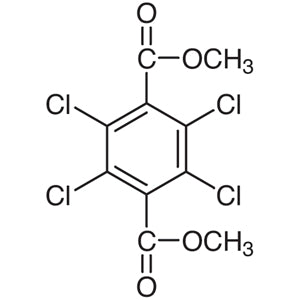
- TCI T1064 1861-32-1 Dimethyl Tetrachloroterephthalate
- TCI T0244 1679-64-7 Monomethyl Terephthalate
- Esterification Reactions: Diphenyl Terephthalate is ideal for esterification due to its stable structure and predictable reactivity, enabling the synthesis of ester compounds with high yield.
- Polymerization Processes: It is frequently used in polymer synthesis as a building block, contributing to the formation of polymeric materials with desired properties.
- Organic Synthesis Research: Its versatility makes it a valuable reagent in the development of new organic compounds and chemical structures.
- Teaching and Learning in Chemistry: It is commonly used in educational settings to demonstrate fundamental chemical reactions and synthesis techniques.
- Industrial Chemical Development: Its consistent properties make it suitable for research aimed at creating new chemical products and materials.
| Brand | TCI |
|---|---|
| CAS number | 1539-04-4 |
| Molecular formula | — |
| Purity | — |
| Category | Chemistry > Building Blocks > Non-Heterocyclic Building Blocks |
| Pack sizes | Available in various sizes to meet different experimental needs |
| Physical form | Solid |
| Storage | Store in a cool, dry place away from direct sunlight |
Diphenyl Terephthalate should be stored in a cool, dry environment to maintain its chemical stability. It is recommended to keep it in airtight containers to prevent moisture absorption and contamination. The compound should be stored away from direct sunlight and sources of heat to avoid degradation. In laboratory settings, it is important to handle the material with appropriate safety measures, such as using gloves and safety goggles. Proper ventilation should be maintained when working with the compound to ensure a safe working environment. Its stable nature allows for long-term storage without significant changes in its chemical properties.
—
Produk Terkait
-
2-HydroxyethylMethylTerephthalate TCI T1679
Regular price From Rp 1.803.900,00Regular price -
Bis(2-hydroxyethyl)Terephthalate TCI B3429
Regular price From Rp 928.200,00Regular price -
DisodiumTerephthalate TCI T1097
Regular price From Rp 1.510.950,00Regular price -
PotassiumMonomethylTerephthalate TCI T1083
Regular price From Rp 875.700,00Regular price -
DimethylTetrachloroterephthalate TCI T1064
Regular price Rp 1.565.550,00Regular price -
MonomethylTerephthalate TCI T0244
Regular price From Rp 2.147.250,00Regular price -
DimethylTerephthalate TCI T0015
Regular price From Rp 505.050,00Regular price -
DiethylTerephthalate TCI T0014
Regular price From Rp 1.881.600,00Regular price