Bis(2-hydroxyethyl) Terephthalate is a chemical compound widely used as a building block in organic synthesis. It serves as a versatile intermediate in various chemical reactions, particularly in polymerization and the creation of complex organic molecules. This compound is essential in laboratory settings where the synthesis of new materials or the modification of existing ones is required. Its role in the laboratory is critical, especially in research focused on developing new polymers, coatings, and pharmaceutical intermediates. Due to its structural versatility, it is a key component in many synthetic pathways.
The compound is valued for its stability and controlled reactivity, making it a preferred choice in chemical experiments. Its molecular structure allows for reactions with a variety of functional groups, including acids, bases, and esters. This reactivity, combined with its solubility in organic solvents, ensures that it can be effectively used in a wide range of chemical processes. The compound’s ability to maintain its integrity under various reaction conditions enhances its reliability in laboratory applications. Its non-heterocyclic nature also simplifies its integration into synthetic routes, offering chemists a predictable and consistent material.
In Indonesian laboratories, Bis(2-hydroxyethyl) Terephthalate is commonly used in chemical research, particularly in the development of new organic compounds and materials. It is frequently found in academic and industrial research settings where the synthesis of polymers, coatings, and other advanced materials is required. Its stability and reactivity make it an essential tool for researchers working on innovative chemical projects. The compound’s widespread use reflects its importance in both academic and applied chemical research in Indonesia.
Related TCI products
- TCI T1679 3645-00-9 2-Hydroxyethyl Methyl Terephthalate
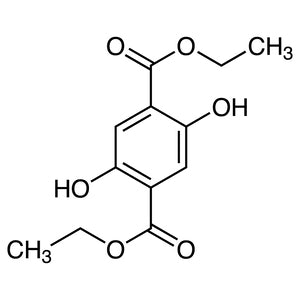
- TCI D6045 5870-38-2 Diethyl 2,5-Dihydroxyterephthalate
- TCI A1059 542-59-6 2-Hydroxyethyl Acetate
- TCI H1930 18838-10-3 N-(2-Hydroxyethyl)benzamide
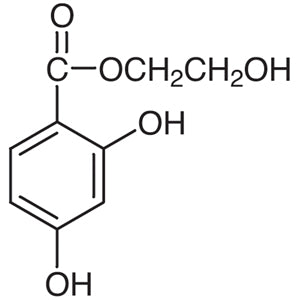
- TCI H1910 94-33-7 2-Hydroxyethyl Benzoate
- TCI H1844 1201-91-8 4-[(2-Hydroxyethyl)(methyl)amino]benzaldehyde
- Organic synthesis is a primary application where this compound serves as a key intermediate in the creation of complex molecules and polymers.
- Polymerization reactions benefit from its structural properties, allowing it to act as a building block for synthetic polymers and coatings.
- Chemical modification processes utilize its reactivity to alter existing compounds, enabling the development of new materials with tailored properties.
- Research in pharmaceutical chemistry often incorporates this compound as an intermediate in the synthesis of drug-related compounds.
- Material development in industrial settings relies on its stability and solubility to create advanced materials for various applications.
| Brand | TCI |
|---|---|
| CAS number | 959-26-2 |
| Molecular formula | — |
| Purity | — |
| Category | Chemistry > Building Blocks > Non-Heterocyclic Building Blocks |
| Pack sizes | Available in various quantities as per standard laboratory supply |
| Physical form | Solid (exact form may vary based on supplier packaging) |
| Storage | Store in a cool, dry place away from direct sunlight and moisture |
This compound should be stored in a cool, dry environment to maintain its chemical integrity and prevent degradation. It is recommended to use airtight containers to protect it from moisture and contaminants. Due to its chemical nature, it should be handled with appropriate personal protective equipment, such as gloves and safety goggles, to ensure laboratory safety. Avoid exposure to heat and direct sunlight to prevent any potential chemical changes. Proper labeling of containers is essential for safe handling and to prevent accidental use. Regular inspection of storage conditions ensures the compound remains suitable for use in laboratory applications.
—
Produk Terkait
-
2-HydroxyethylMethylTerephthalate TCI T1679
Regular price From Rp 1.803.900,00Regular priceRp 1.261.050,00Sale price From Rp 1.803.900,00 -
Diethyl2,5-Dihydroxyterephthalate TCI D6045
Regular price From Rp 2.411.850,00Regular priceRp 1.702.050,00Sale price From Rp 2.411.850,00 -
2-HydroxyethylAcetate TCI A1059
Regular price From Rp 2.094.750,00Regular priceRp 1.464.750,00Sale price From Rp 2.094.750,00 -
N-(2-Hydroxyethyl)benzamide TCI H1930
Regular price From Rp 2.782.500,00Regular priceRp 1.961.400,00Sale price From Rp 2.782.500,00 -
2-HydroxyethylBenzoate TCI H1910
Regular price From Rp 2.782.500,00Regular priceRp 1.961.400,00Sale price From Rp 2.782.500,00 -
4-[(2-Hydroxyethyl)(methyl)amino]benzaldehyde TCI H1844
Regular price From Rp 1.563.450,00Regular priceRp 1.108.800,00Sale price From Rp 1.563.450,00 -
2-Hydroxyethyl4-Hydroxybenzoate TCI H0698
Regular price Rp 1.881.600,00Regular priceRp 1.331.400,00Sale price Rp 1.881.600,00 -
2,4-Dihydroxybenzoate TCI D2007
Regular price Rp 3.524.850,00Regular priceRp 2.480.100,00Sale price Rp 3.524.850,00