2-Hydroxyethyl Acetate (2-HEA) is a versatile chemical compound widely used in various laboratory reactions. As a key building block in organic chemistry, it plays a crucial role in the synthesis of esters and heterocyclic compounds. Its reactivity and ability to form bonds with different functional groups make it an essential reagent in many synthetic pathways. This compound is particularly valuable for researchers aiming to develop complex molecular structures. Its simplicity in molecular structure allows it to participate in a broad range of chemical transformations, making it a fundamental tool in both academic and industrial research settings.
The properties of 2-HEA that make it a preferred choice include its stability under controlled conditions, its availability in various packaging options, and its compatibility with a wide range of chemical reagents. It is a clear, colorless liquid with a distinct odor, which facilitates its identification and use in laboratory environments. The compound’s reactivity and solubility characteristics enable it to be used in multiple reaction types, such as esterification, hydrolysis, and substitution reactions. These features contribute to its popularity among chemists working in both research and development sectors.
In Indonesian laboratories, 2-HEA is commonly used in organic chemistry research, pharmaceutical development, and the synthesis of new chemical compounds. Its availability and reliability make it a go-to material for both small-scale experiments and larger production processes. The compound’s role in supporting chemical innovation aligns with the growing demand for advanced materials in Indonesia’s scientific community. Its application across various fields underscores its importance in modern laboratory practices.
Related TCI products
- TCI T1679 3645-00-9 2-Hydroxyethyl Methyl Terephthalate
- TCI B3429 959-26-2 Bis(2-hydroxyethyl) Terephthalate
- TCI H1930 18838-10-3 N-(2-Hydroxyethyl)benzamide
- TCI H1910 94-33-7 2-Hydroxyethyl Benzoate
- TCI H1844 1201-91-8 4-[(2-Hydroxyethyl)(methyl)amino]benzaldehyde
- TCI H0698 2496-90-4 2-Hydroxyethyl 4-Hydroxybenzoate
- Organic synthesis is a key application where 2-HEA is used to create ester and heterocyclic compounds due to its reactivity and versatility.
- Pharmaceutical research benefits from 2-HEA as it is involved in the development of new drugs and chemical intermediates.
- Analytical chemistry uses 2-HEA as a solvent and reagent in various testing procedures for compound identification and purity analysis.
- Industrial chemical production relies on 2-HEA for the synthesis of complex molecules and functional materials.
- Environmental studies incorporate 2-HEA to analyze the behavior of organic compounds in different chemical environments.
| Brand | TCI |
|---|---|
| CAS number | 542-59-6 |
| Molecular formula | — |
| Purity | — |
| Category | Chemistry > Building Blocks > Non-Heterocyclic Building Blocks |
| Pack sizes | Available in various sizes to suit different laboratory needs |
| Physical form | Clear, colorless liquid |
| Storage | — |
2-Hydroxyethyl Acetate should be stored in a cool, dry place away from direct sunlight and sources of heat. It is recommended to keep the compound in a tightly sealed container made of glass or high-density polyethylene to prevent evaporation and contamination. Due to its reactivity, it should be handled in a well-ventilated area, and appropriate personal protective equipment such as gloves and safety goggles should be worn. Avoid contact with incompatible materials such as strong oxidizing agents. The compound is stable under normal laboratory conditions but should be stored in a controlled environment to maintain its integrity and effectiveness.
—
Produk Terkait
-
2-HydroxyethylMethylTerephthalate TCI T1679
Regular price From Rp 1.803.900,00Regular priceRp 1.261.050,00Sale price From Rp 1.803.900,00 -
Bis(2-hydroxyethyl)Terephthalate TCI B3429
Regular price From Rp 928.200,00Regular priceRp 648.900,00Sale price From Rp 928.200,00 -
N-(2-Hydroxyethyl)benzamide TCI H1930
Regular price From Rp 2.782.500,00Regular priceRp 1.961.400,00Sale price From Rp 2.782.500,00 -
2-HydroxyethylBenzoate TCI H1910
Regular price From Rp 2.782.500,00Regular priceRp 1.961.400,00Sale price From Rp 2.782.500,00 -
4-[(2-Hydroxyethyl)(methyl)amino]benzaldehyde TCI H1844
Regular price From Rp 1.563.450,00Regular priceRp 1.108.800,00Sale price From Rp 1.563.450,00 -
2-Hydroxyethyl4-Hydroxybenzoate TCI H0698
Regular price Rp 1.881.600,00Regular priceRp 1.331.400,00Sale price Rp 1.881.600,00 -
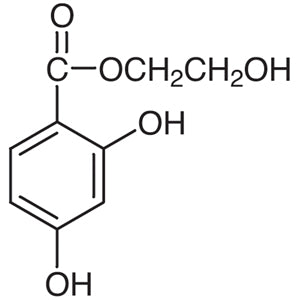
2,4-Dihydroxybenzoate TCI D2007
Regular price Rp 3.524.850,00Regular priceRp 2.480.100,00Sale price Rp 3.524.850,00 -
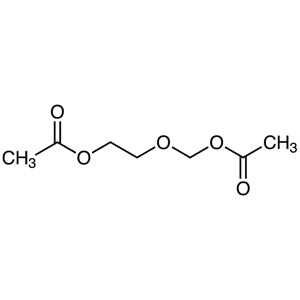
(2-Acetoxyethoxy)methylAcetate TCI A3163
Regular price From Rp 452.550,00Regular priceRp 316.050,00Sale price From Rp 452.550,00