Dimethyl Terephthalate (DMT), with the CAS number 120-61-6, is a versatile chemical compound widely used in laboratory settings for various organic synthesis reactions. As a key building block in chemistry, DMT serves as a precursor for the production of polymers, esters, and other complex organic compounds. Its molecular structure is stable and reactive, making it a valuable tool for chemists seeking to develop new materials and compounds. This compound is particularly useful in controlled environments where precise chemical reactions are required.
DMT is preferred for its neutral chemical properties and resistance to degradation, which ensures consistent performance over time. Its well-defined melting and boiling points make it easier to handle during purification and separation processes. Additionally, its low reactivity reduces the risk of unintended side reactions, enhancing safety in laboratory operations. These characteristics make DMT a reliable and flexible choice for both academic and industrial research applications.
In Indonesian laboratories, DMT is commonly used in organic synthesis and the development of new materials. It plays a crucial role in the production of synthetic polymers, such as polyethylene terephthalate, which is widely used in various industries. Its availability and reliability have made it a staple in chemical research, supporting both educational and applied scientific work in the region.
Related TCI products
- TCI T1679 3645-00-9 2-Hydroxyethyl Methyl Terephthalate
- TCI B3429 959-26-2 Bis(2-hydroxyethyl) Terephthalate
- TCI T1097 10028-70-3 Disodium Terephthalate
- TCI T1083 42967-55-5 Potassium Monomethyl Terephthalate
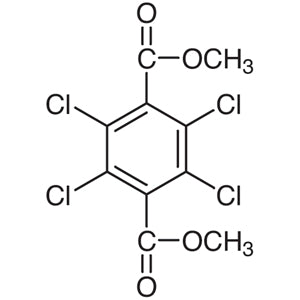
- TCI T1064 1861-32-1 Dimethyl Tetrachloroterephthalate
- TCI T0244 1679-64-7 Monomethyl Terephthalate
- Organic synthesis reactions benefit from DMT's stability and reactivity, enabling the creation of complex molecules with high precision.
- Polymer production relies on DMT as a building block for synthesizing materials like polyethylene terephthalate, which is essential in manufacturing.
- Esterification processes utilize DMT due to its ability to form ester compounds under controlled conditions, enhancing product purity.
- Research in material science often employs DMT to develop new polymers and composite materials with tailored properties.
- Chemical education in Indonesian universities incorporates DMT in teaching practical techniques for synthetic chemistry and polymer science.
| Brand | TCI |
|---|---|
| CAS number | 120-61-6 |
| Molecular formula | — |
| Purity | — |
| Category | Chemistry > Building Blocks > Non-Heterocyclic Building Blocks |
| Pack sizes | Available in various quantities as per supplier specifications |
| Physical form | Solid |
| Storage | Store in a cool, dry place away from direct sunlight and moisture |
Dimethyl Terephthalate should be stored in a cool, dry environment to maintain its chemical stability and prevent degradation. It is recommended to use airtight containers to protect it from moisture and contaminants. Since it is a solid, it does not require refrigeration but should be kept away from sources of heat and direct sunlight. In laboratory settings, proper ventilation is essential to ensure safe handling. Always use appropriate personal protective equipment, such as gloves and safety goggles, when working with this compound. Its low reactivity makes it relatively safe to handle, but standard laboratory safety protocols should still be followed to ensure a secure working environment.
—
Produk Terkait
-
2-HydroxyethylMethylTerephthalate TCI T1679
Regular price From Rp 1.803.900,00Regular priceRp 1.261.050,00Sale price From Rp 1.803.900,00 -
Bis(2-hydroxyethyl)Terephthalate TCI B3429
Regular price From Rp 928.200,00Regular priceRp 648.900,00Sale price From Rp 928.200,00 -
DisodiumTerephthalate TCI T1097
Regular price From Rp 1.510.950,00Regular priceRp 1.056.300,00Sale price From Rp 1.510.950,00 -
PotassiumMonomethylTerephthalate TCI T1083
Regular price From Rp 875.700,00Regular priceRp 612.150,00Sale price From Rp 875.700,00 -
DimethylTetrachloroterephthalate TCI T1064
Regular price Rp 1.565.550,00Regular priceRp 1.094.100,00Sale price Rp 1.565.550,00 -
MonomethylTerephthalate TCI T0244
Regular price From Rp 2.147.250,00Regular priceRp 1.501.500,00Sale price From Rp 2.147.250,00 -
DiethylTerephthalate TCI T0014
Regular price From Rp 1.881.600,00Regular priceRp 1.315.650,00Sale price From Rp 1.881.600,00 -
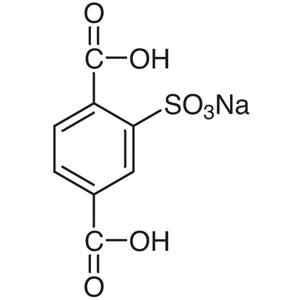
Monosodium2-Sulfoterephthalate TCI S0419
Regular price Rp 4.797.450,00Regular priceRp 3.354.750,00Sale price Rp 4.797.450,00