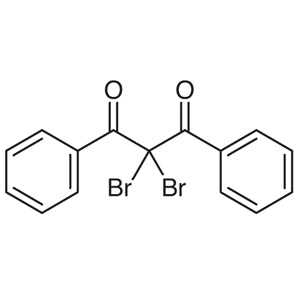
2,2-Dibromo-1,3-diphenyl-1,3-propanedione is a chemical compound widely used in laboratory settings for the synthesis of complex molecules. As a building block in organic chemistry, it plays a crucial role in the development of new compounds, particularly in the field of pharmaceutical research. Its unique molecular structure enables it to participate in various chemical reactions, making it a versatile reagent for synthetic pathways. This compound is commonly utilized in both academic and industrial laboratories due to its reactivity and structural adaptability.
The compound’s high reactivity stems from its molecular structure, which includes two bromine atoms attached to the same carbon atoms. This configuration enhances its ability to undergo substitution and oxidation reactions, making it ideal for applications requiring precise molecular modifications. Its chemical stability under controlled conditions further supports its use in a wide range of synthetic processes. These properties make it a preferred choice for chemists seeking to manipulate molecular structures with accuracy and efficiency.
In Indonesian laboratories, 2,2-Dibromo-1,3-diphenyl-1,3-propanedione is extensively used in organic synthesis research. It is particularly relevant in the development of pharmaceutical compounds and industrial chemicals, where controlled reactivity and structural versatility are essential. Its application is widespread in both academic and applied research, supporting the creation of new materials and drug candidates. This compound is a fundamental tool for researchers aiming to achieve specific chemical transformations with high precision.
Related TCI products
- Synthesis of aromatic and heterocyclic compounds due to its reactive molecular structure and ability to undergo substitution reactions.
- Development of pharmaceutical compounds as a key building block in the synthesis of drug molecules with specific functional groups.
- Organic chemistry research for creating complex molecular structures through controlled chemical transformations.
- Industrial chemical synthesis where precise molecular modifications are required for the production of specialized materials.
- Academic research in chemical engineering and pharmaceutical sciences for exploring new synthetic pathways and molecular designs.
| Brand | TCI |
|---|---|
| CAS number | 16619-55-9 |
| Molecular formula | — |
| Purity | — |
| Category | Chemistry > Building Blocks > Non-Heterocyclic Building Blocks |
| Pack sizes | Available in various quantities as per standard laboratory supply options |
| Physical form | Solid |
| Storage | Store in a cool, dry place away from light and incompatible materials |
This compound should be stored in a cool, dry environment, away from direct sunlight and sources of heat. It is recommended to use airtight containers made of glass or inert plastic to prevent contamination and maintain chemical integrity. Due to its bromine content, it should be kept separate from flammable and reactive materials to ensure safety. Proper ventilation is essential when handling this substance to minimize exposure. Always wear appropriate personal protective equipment, including gloves, goggles, and a lab coat, to protect against potential skin or eye contact. Regular monitoring of storage conditions is advised to ensure the compound remains stable and safe for use in laboratory settings.
—
Produk Terkait
-
1,3-Diphenyl-1,3-propanedione TCI D0910
Regular price From Rp 689.850,00Regular price -
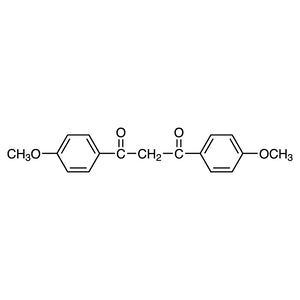
1,3-Bis(4-methoxyphenyl)-1,3-propanedione TCI B1733
Regular price From Rp 4.056.150,00Regular price -
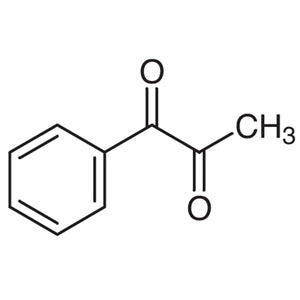
1-Phenyl-1,2-propanedione TCI P0210
Regular price Rp 3.260.250,00Regular price -
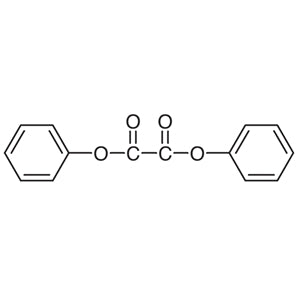
DiphenylOxalate TCI O0111
Regular price From Rp 2.597.700,00Regular price -
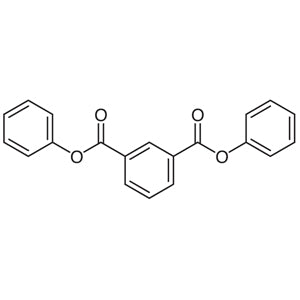
DiphenylIsophthalate TCI I0416
Regular price From Rp 1.298.850,00Regular price -
7,9-Diphenyl-8H-cyclopenta[a]acenaphthylen-8-one TCI D6039
Regular price From Rp 955.500,00Regular price -
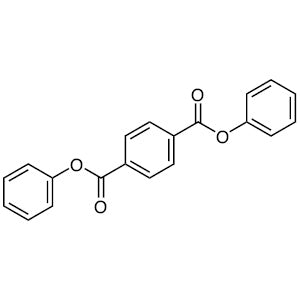
DiphenylTerephthalate TCI D5995
Regular price From Rp 2.094.750,00Regular price -
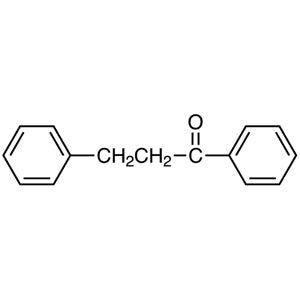
1,3-Diphenyl-1-propanone TCI D5479
Regular price From Rp 795.900,00Regular price

![7,9-Diphenyl-8H-cyclopenta[a]acenaphthylen-8-one (CAS 641-57-6) - TCI D6039 - AMI Scientific](http://amiscientific.com/cdn/shop/files/TCI2510D6039.jpg?v=1767109627&width=533)