3-(4-Methoxyphenyl)propanal is a chemical compound widely used in organic synthesis reactions within laboratory settings. It serves as a key building block in the development of complex molecular structures, making it an essential reagent for chemists. This compound is commonly found in chemical laboratories as a raw material for the synthesis of various organic compounds. Its versatility allows it to be incorporated into multiple synthetic pathways, supporting the creation of aromatic compounds and their derivatives.
The compound's reactivity is a defining feature, enabling it to participate in a range of chemical reactions such as nucleophilic substitution and aldol condensation. Its molecular structure includes both an aldehyde group and a methoxy group, which contribute to its functional versatility. These characteristics make it a preferred choice for researchers aiming to explore new synthetic routes or develop novel compounds. The stability of its molecular framework ensures it remains effective under various reaction conditions.
In Indonesian laboratories, 3-(4-Methoxyphenyl)propanal is frequently utilized in organic chemistry research conducted by universities and research institutions. It is a valuable tool for synthesizing new compounds with potential applications in pharmaceuticals, materials science, and other chemical industries. Its consistent performance and reliability make it a trusted reagent in both academic and industrial research contexts.
Related TCI products
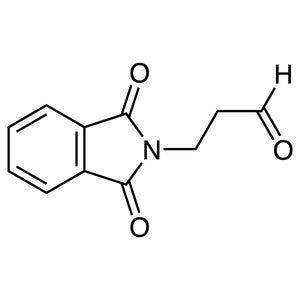
- TCI P2997 2436-29-5 3-(1,3-Dioxoisoindolin-2-yl)propanal
- TCI B6389 19790-60-4 3-(Benzyloxy)propanal
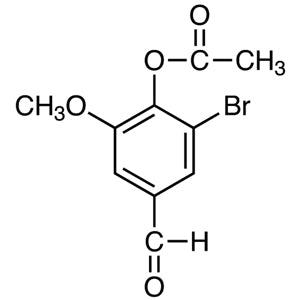
- TCI B5230 308088-29-1 2-Bromo-4-formyl-6-methoxyphenyl Acetate
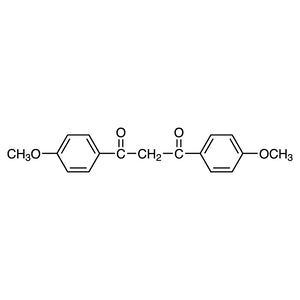
- TCI B1733 18362-51-1 1,3-Bis(4-methoxyphenyl)-1,3-propanedione
- TCI A2946 881-57-2 5-Formyl-2-methoxyphenyl Acetate
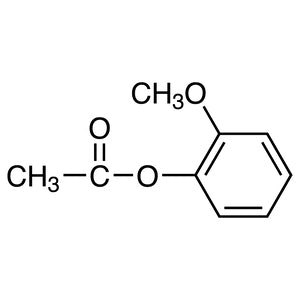
- TCI A1381 613-70-7 2-Methoxyphenyl Acetate
- Organic synthesis reactions benefit from this compound's reactivity and functional groups, enabling the creation of complex molecules.
- It is ideal for nucleophilic substitution reactions due to its aldehyde group, which readily participates in such processes.
- Aldol condensation reactions can be efficiently carried out using this compound, enhancing the formation of new carbon-carbon bonds.
- It supports the development of aromatic compounds and their derivatives, making it a key reagent in aromatic synthesis.
- Indonesian research institutions use it extensively in the synthesis of new chemical compounds for academic and industrial applications.
| Brand | TCI |
|---|---|
| CAS number | 20401-88-1 |
| Molecular formula | — |
| Purity | — |
| Category | Chemistry > Building Blocks > Non-Heterocyclic Building Blocks |
| Pack sizes | Available in standard laboratory quantities |
| Physical form | Liquid |
| Storage | Store in a cool, dry place away from direct sunlight |
This compound should be stored in a cool, dry environment to maintain its stability and reactivity. It is recommended to keep it in a sealed container to prevent exposure to air and moisture. Due to its chemical nature, it should be stored away from incompatible substances such as strong oxidizers or bases. Proper ventilation is essential when handling this material to ensure a safe laboratory environment. Always use appropriate personal protective equipment, including gloves and safety goggles, when working with this compound. Regular monitoring of storage conditions will help maintain its quality and effectiveness for use in chemical synthesis.
—
Produk Terkait
-
3-(1,3-Dioxoisoindolin-2-yl)propanal TCI P2997
Regular price From Rp 1.776.600,00Regular price -
3-(Benzyloxy)propanal TCI B6389
Regular price Rp 4.531.800,00Regular price -
2-Bromo-4-formyl-6-methoxyphenylAcetate TCI B5230
Regular price Rp 1.749.300,00Regular price -
1,3-Bis(4-methoxyphenyl)-1,3-propanedione TCI B1733
Regular price From Rp 4.056.150,00Regular price -
5-Formyl-2-methoxyphenylAcetate TCI A2946
Regular price From Rp 2.466.450,00Regular price -
2-MethoxyphenylAcetate TCI A1381
Regular price Rp 4.056.150,00Regular price -
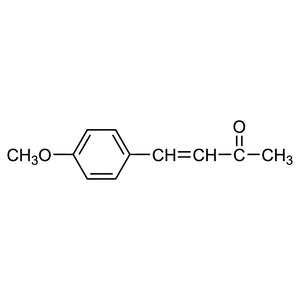
4-(4-Methoxyphenyl)but-3-en-2-one TCI M3899
Regular price From Rp 2.359.350,00Regular price -
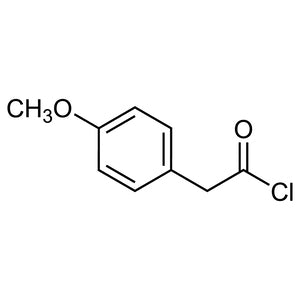
2-(4-Methoxyphenyl)acetylChloride TCI M3877
Regular price From Rp 1.087.800,00Regular price