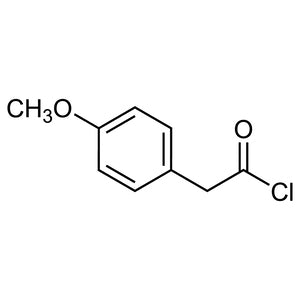
2-(4-Methoxyphenyl)acetyl Chloride is a chemical compound widely used in organic synthesis reactions within laboratory settings. As a key building block, it plays a vital role in the development of complex molecular structures, particularly in substitution and nucleophilic reactions. Its versatility makes it an essential tool for researchers aiming to create new compounds with tailored properties. This compound is commonly employed in the synthesis of heterocyclic and aromatic compounds, contributing to advancements in various chemical fields.
The compound's chemical stability under specific conditions, combined with its reactivity towards amines, alcohols, and bases, makes it a preferred choice for synthetic chemists. Its ability to participate in high-reactivity reactions without producing unwanted byproducts enhances its utility in laboratory applications. Additionally, its solubility in organic solvents such as ethyl acetate and chloroform facilitates efficient separation and purification of reaction products, streamlining the synthetic process.
In Indonesian laboratories, 2-(4-Methoxyphenyl)acetyl Chloride is frequently utilized in organic chemistry research, especially in the development of new compounds with pharmaceutical applications. Its role in creating complex molecular structures supports innovation in drug discovery and chemical synthesis. The compound’s reliability and performance make it a staple in both academic and industrial research environments.
Related TCI products
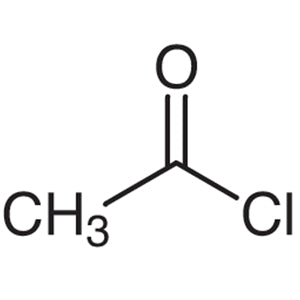
- TCI A0082 75-36-5 Acetyl Chloride
- TCI B3665 19810-31-2 2-(Benzyloxy)acetyl Chloride
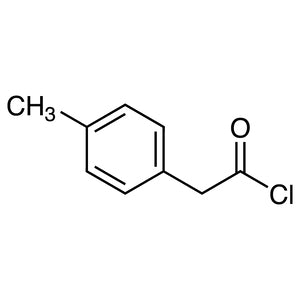
- TCI M3724 35675-44-6 2-(p-Tolyl)acetyl Chloride
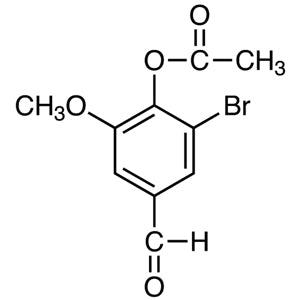
- TCI B5230 308088-29-1 2-Bromo-4-formyl-6-methoxyphenyl Acetate
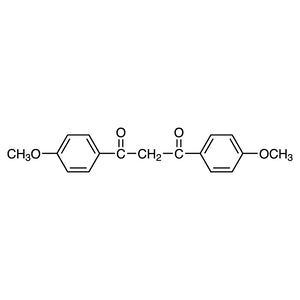
- TCI B1733 18362-51-1 1,3-Bis(4-methoxyphenyl)-1,3-propanedione
- TCI A2946 881-57-2 5-Formyl-2-methoxyphenyl Acetate
- Organic synthesis for the creation of heterocyclic and aromatic compounds due to its reactivity and structural versatility.
- Development of pharmaceutical compounds as a key intermediate in the synthesis of bioactive molecules.
- Research in chemical engineering for the design of new materials with specific functional properties.
- Educational purposes in academic institutions for teaching advanced organic chemistry techniques.
- Industrial applications in the production of specialty chemicals requiring precise molecular modifications.
| Brand | TCI |
|---|---|
| CAS number | 4693-91-8 |
| Molecular formula | — |
| Purity | — |
| Category | Chemistry > Building Blocks > Non-Heterocyclic Building Blocks |
| Pack sizes | Available in various quantities as per supplier specifications |
| Physical form | Solid or liquid depending on formulation |
| Storage | Store in a cool, dry place away from moisture and direct sunlight |
This compound should be stored in a cool, dry environment to maintain its chemical stability. It is recommended to use airtight containers to prevent exposure to moisture and air, which may affect its reactivity. Due to its potential reactivity with certain substances, it should be handled in a well-ventilated area, preferably under a fume hood. General laboratory precautions include wearing appropriate personal protective equipment such as gloves and safety goggles. The compound should not be stored near incompatible materials like strong bases or reducing agents. Proper labeling and safe handling are essential to ensure laboratory safety and prevent accidental contamination.
—
Produk Terkait
-
AcetylChloride TCI A0082
Regular price From Rp 795.900,00Regular price -
2-(Benzyloxy)acetylChloride TCI B3665
Regular price From Rp 1.724.100,00Regular price -
2-(p-Tolyl)acetylChloride TCI M3724
Regular price From Rp 3.260.250,00Regular price -
2-Bromo-4-formyl-6-methoxyphenylAcetate TCI B5230
Regular price Rp 1.749.300,00Regular price -
1,3-Bis(4-methoxyphenyl)-1,3-propanedione TCI B1733
Regular price From Rp 4.056.150,00Regular price -
5-Formyl-2-methoxyphenylAcetate TCI A2946
Regular price From Rp 2.466.450,00Regular price -
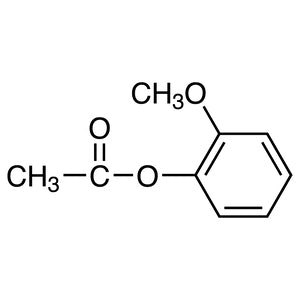
2-MethoxyphenylAcetate TCI A1381
Regular price Rp 4.056.150,00Regular price -
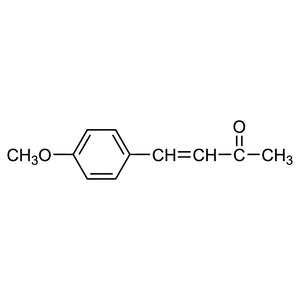
4-(4-Methoxyphenyl)but-3-en-2-one TCI M3899
Regular price From Rp 2.359.350,00Regular price