1-Acetamidonaphthalene is a chemical compound widely used as a foundational building block in various chemical reactions. It is derived from naphthalene with an acetamido group attached, making it a versatile intermediate in organic synthesis. In the laboratory, this compound plays a crucial role in the development of more complex organic molecules, particularly in substitution and condensation reactions. Its structural characteristics allow it to participate in a wide range of chemical transformations, making it an essential tool for chemists working on synthetic pathways.
The compound is known for its favorable solubility in organic solvents such as ethyl acetate and chloroform, which enhances its usability in synthetic processes. This solubility, combined with its chemical stability under appropriate storage conditions, ensures that it remains effective for extended periods. These properties make it a preferred choice for researchers seeking reliable and consistent results in their experiments. Additionally, its predictable behavior in different reaction conditions contributes to its popularity in both academic and industrial settings.
In Indonesian laboratories, 1-Acetamidonaphthalene is commonly used in organic chemistry research. It is particularly favored by educational institutions and research organizations due to its availability and effectiveness in complex synthetic reactions. Its role as a building block allows scientists to explore new chemical structures and applications, supporting advancements in both fundamental and applied research. The compound’s utility in a variety of chemical processes makes it a valuable asset in the laboratory environment.
Related TCI products
- TCI A0115 121-61-9 4-Acetamidobenzenesulfonamide
- TCI A0076 53-96-3 2-Acetamidofluorene
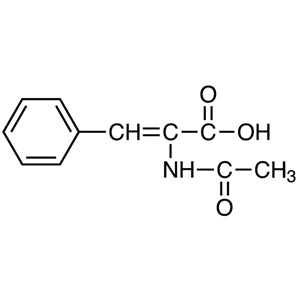
- TCI A0014 5469-45-4 alpha-Acetamidocinnamic Acid
- TCI A0009 122-85-0 4-Acetamidobenzaldehyde
- TCI T4149 53440-12-3 1,2,3,4-Tetrahydronaphthalene-2-carboxylic Acid
- TCI T2903 1914-65-4 1,2,3,4-Tetrahydronaphthalene-1-carboxylic Acid
- Organic synthesis of complex compounds due to its reactivity and structural versatility.
- Substitution reactions where acetamido group can be modified for functional group transformations.
- Condensation reactions as a starting material for the formation of more complex organic molecules.
- Research in medicinal chemistry for the development of pharmaceutical intermediates.
- Teaching and experimental use in undergraduate and graduate chemistry courses for hands-on learning.
| Brand | TCI |
|---|---|
| CAS number | 575-36-0 |
| Molecular formula | — |
| Purity | — |
| Category | Chemistry > Building Blocks > Non-Heterocyclic Building Blocks |
| Pack sizes | Available in various quantities as per standard laboratory supply |
| Physical form | Solid |
| Storage | Store in a cool, dry place away from moisture and direct sunlight |
1-Acetamidonaphthalene should be stored in a cool, dry environment to maintain its chemical stability. It is recommended to keep the compound in a tightly sealed container to prevent exposure to moisture and air. Due to its organic nature, it should be stored away from incompatible materials such as strong oxidizers. The container should be made of a suitable material that does not react with the compound, such as glass or high-density polyethylene. In a laboratory setting, it is important to handle the compound with appropriate personal protective equipment, including gloves and safety goggles, to ensure safe handling. Regular monitoring of storage conditions is advised to maintain the integrity of the material over time.
—
Produk Terkait
-
4-Acetamidobenzenesulfonamide TCI A0115
Regular price From Rp 1.273.650,00Regular price -
2-Acetamidofluorene TCI A0076
Regular price From Rp 3.367.350,00Regular price -
alpha-AcetamidocinnamicAcid TCI A0014
Regular price Rp 1.087.800,00Regular price -
4-Acetamidobenzaldehyde TCI A0009
Regular price From Rp 637.350,00Regular price -
1,2,3,4-Tetrahydronaphthalene-2-carboxylicAcid TCI T4149
Regular price From Rp 2.359.350,00Regular price -
1,2,3,4-Tetrahydronaphthalene-1-carboxylicAcid TCI T2903
Regular price From Rp 1.565.550,00Regular price -
5,6,7,8-Tetrahydronaphthalene-1-carboxylicAcid TCI T2672
Regular price From Rp 3.498.600,00Regular price -
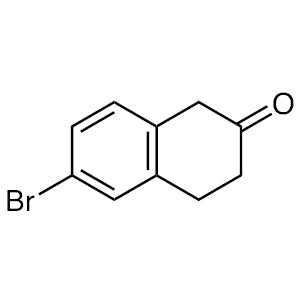
6-Bromo-3,4-dihydronaphthalen-2(1H)-one TCI B4112
Regular price From Rp 1.618.050,00Regular price