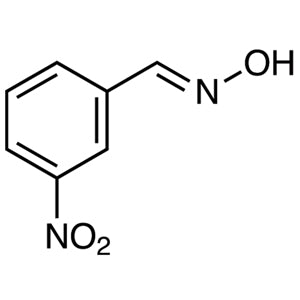
Syn-3-Nitrobenzaldoxime is a chemical compound widely utilized in organic reactions and the synthesis of complex molecules. It serves as a key building block in chemical laboratories, providing a versatile intermediate for the creation of compounds with specific structures or functionalities. This compound is commonly used in research settings where precise chemical transformations are required, making it a valuable tool for chemists working in various fields. Its role extends to both synthetic and analytical applications, supporting a wide range of experimental needs in both academic and industrial environments.
The compound is valued for its stability and controlled reactivity under specific reaction conditions. It exhibits polar characteristics and is soluble in organic solvents such as ethyl acetate and chloroform, which enhances its utility in synthetic processes. Its ability to react with various reagents makes it a preferred choice for chemists seeking reliable and predictable outcomes. Additionally, its chemical structure allows for multiple functional group modifications, making it adaptable to a broad spectrum of chemical applications.
In Indonesian laboratories, Syn-3-Nitrobenzaldoxime is extensively used in chemical research, particularly in pharmaceutical, material science, and analytical chemistry fields. Its availability and consistent performance make it a trusted reagent for experiments requiring accuracy and reproducibility. Researchers in Indonesia often rely on this compound for its versatility and effectiveness in complex synthesis processes.
Related TCI products
- TCI N0487 3717-19-9 syn-4-Nitrobenzaldoxime [Deprotecting Agent]
- TCI N0486 4836-00-4 syn-2-Nitrobenzaldoxime [Deprotecting Agent]
- TCI B5101 163596-75-6 4-Bromo-3-nitrobenzaldehyde
- TCI B4982 355134-13-3 3-Bromo-5-nitrobenzaldehyde
- TCI B4192 20357-20-4 5-Bromo-2-nitrobenzaldehyde
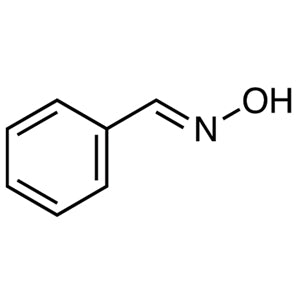
- TCI B0011 622-31-1 alpha-Benzaldoxime
- Organic synthesis applications benefit from Syn-3-Nitrobenzaldoxime due to its reactivity and compatibility with various functional groups, enabling the creation of complex molecular structures.
- Pharmaceutical research utilizes this compound as a building block for the development of new drug molecules, leveraging its structural versatility and chemical stability.
- Material science experiments incorporate Syn-3-Nitrobenzaldoxime to synthesize advanced materials with specific chemical properties, enhancing the performance of polymers and coatings.
- Analytical chemistry relies on this compound for its solubility and reactivity, allowing it to be used in chromatographic and spectroscopic analyses for compound identification.
- Industrial chemical processes use Syn-3-Nitrobenzaldoxime as a precursor for the production of specialty chemicals, ensuring consistency and quality in large-scale manufacturing.
| Brand | TCI |
|---|---|
| CAS number | 3717-29-1 |
| Molecular formula | — |
| Purity | — |
| Category | Chemistry > Building Blocks > Non-Heterocyclic Building Blocks |
| Pack sizes | — |
| Physical form | — |
| Storage | Store in a cool, dry place away from direct sunlight and incompatible materials |
Syn-3-Nitrobenzaldoxime should be stored in a cool, dry environment to maintain its chemical stability and prevent degradation. It is recommended to keep the compound in a tightly sealed container to minimize exposure to air and moisture. Suitable containers include glass or high-density polyethylene bottles, which provide resistance to chemical interactions. As a polar compound, it is important to avoid contact with strong oxidizing agents or reactive substances. In laboratory settings, proper ventilation should be maintained when handling this material to ensure safety. Always follow standard chemical handling protocols to prevent accidental exposure and ensure safe usage in research environments.
—
Produk Terkait
-
syn-4-Nitrobenzaldoxime[DeprotectingAgent] TCI N0487
Regular price From Rp 1.167.600,00Regular price -
syn-2-Nitrobenzaldoxime[DeprotectingAgent] TCI N0486
Regular price From Rp 848.400,00Regular price -
4-Bromo-3-nitrobenzaldehyde TCI B5101
Regular price From Rp 717.150,00Regular price -
3-Bromo-5-nitrobenzaldehyde TCI B4982
Regular price From Rp 637.350,00Regular price -
5-Bromo-2-nitrobenzaldehyde TCI B4192
Regular price From Rp 1.035.300,00Regular price -
alpha-Benzaldoxime TCI B0011
Regular price From Rp 1.565.550,00Regular price -
5-Methoxy-2-nitrobenzaldehyde TCI M3593
Regular price From Rp 1.087.800,00Regular price -
2-Methyl-5-nitrobenzaldehyde TCI M2957
Regular price From Rp 2.174.550,00Regular price
![3717-19-9 syn-4-Nitrobenzaldoxime [Deprotecting Agent] - AMI Scientific](http://amiscientific.com/cdn/shop/files/TCI2510N0487.jpg?v=1767129926&width=533)
![4836-00-4 syn-2-Nitrobenzaldoxime [Deprotecting Agent] - AMI Scientific](http://amiscientific.com/cdn/shop/files/TCI2510N0486.jpg?v=1767129922&width=533)