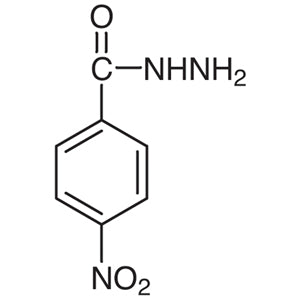
4-Nitrobenzhydrazide is a chemical compound widely used in laboratory settings for the synthesis of complex molecules. It serves as a key building block in organic chemistry, enabling the formation of new chemical bonds through various reaction mechanisms. This compound is particularly valued for its versatility in reacting with functional groups such as amines, carboxylic acids, and aldehydes. Its role in chemical synthesis is essential for creating heterocyclic compounds and other specialized structures.
The compound’s stability and reactivity make it a preferred choice for researchers. Its ability to participate in reduction and condensation reactions allows for the development of new compounds with specific properties. The chemical structure of 4-Nitrobenzhydrazide is well-suited for a range of synthetic pathways, making it a reliable material in both research and industrial applications. Its chemical stability ensures consistent performance across different experimental conditions.
In Indonesian laboratories, 4-Nitrobenzhydrazide is commonly used for scientific research, chemical product development, and laboratory testing. Its availability in the local market supports local researchers and industries, reducing the need for imports. This compound is relevant across multiple fields, including pure chemistry, pharmaceuticals, and chemical manufacturing. Its widespread use highlights its importance in both academic and industrial settings.
- Organic synthesis applications benefit from 4-Nitrobenzhydrazide due to its reactivity with amines and carboxylic acids, enabling the formation of heterocyclic compounds.
- Pharmaceutical research utilizes this compound for the development of new drugs, as it can participate in condensation and reduction reactions.
- Analytical chemistry applications rely on its stability and reactivity for the detection and characterization of various functional groups.
- Industrial chemical production uses 4-Nitrobenzhydrazide as a building block for the synthesis of specialized compounds with specific properties.
- Research laboratories use it for the development of new materials and compounds, leveraging its ability to form new chemical bonds.
| Brand | TCI |
|---|---|
| CAS number | 636-97-5 |
| Molecular formula | — |
| Purity | — |
| Category | Chemistry > Building Blocks > Non-Heterocyclic Building Blocks |
| Pack sizes | Available in standard laboratory quantities |
| Physical form | Solid |
| Storage | Store in a cool, dry place away from direct sunlight |
4-Nitrobenzhydrazide should be stored in a cool, dry environment to maintain its chemical stability. It is recommended to keep the compound in a tightly sealed container to prevent moisture absorption. Avoid exposure to direct sunlight and high temperatures to ensure optimal shelf life. When handling, use appropriate personal protective equipment such as gloves and safety goggles to minimize contact with skin or eyes. Ensure proper ventilation in the workspace to reduce inhalation risks. This compound is not classified as hazardous under standard laboratory conditions, but standard safety protocols should still be followed to ensure safe handling and storage.
—
Produk Terkait
-
2-Nitrobenzhydrazide TCI N0148
Regular price Rp 3.763.200,00Regular price -
3-Nitrobenzhydrazide TCI N0147
Regular price Rp 823.200,00Regular price -
3,4-Dichlorobenzhydrazide TCI D5392
Regular price From Rp 1.749.300,00Regular price -
AdipicDihydrazide TCI A0170
Regular price From Rp 505.050,00Regular price -
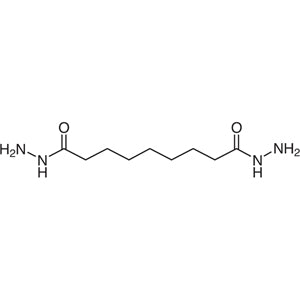
AzelaicDihydrazide TCI A0746
Regular price Rp 2.809.800,00Regular price -
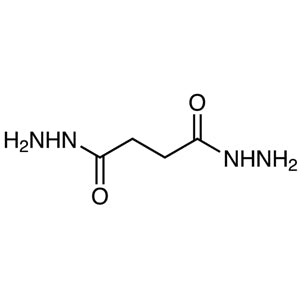
SuccinicDihydrazide TCI S0482
Regular price From Rp 743.400,00Regular price -
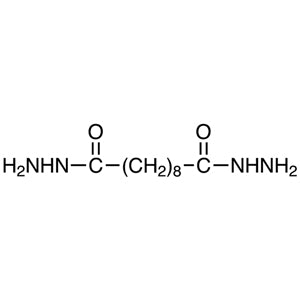
SebacicDihydrazide TCI S0224
Regular price From Rp 743.400,00Regular price -
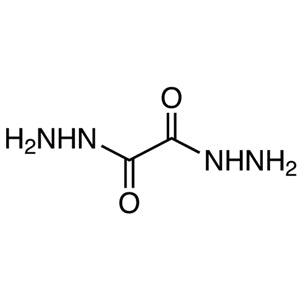
OxalylDihydrazide TCI O0083
Regular price Rp 1.538.250,00Regular price