Succinic Dihydrazide (TCI S0482), with CAS number 4146-43-4, is a versatile chemical compound widely used in laboratory settings for its reactivity and utility in organic synthesis. This organic compound contains hydrazide groups attached to a succinic acid backbone, making it a valuable building block in chemical reactions. Its ability to participate in various chemical transformations makes it a key reagent for researchers seeking to create new compounds or modify existing ones. Due to its chemical structure, it is particularly useful in reactions involving reduction and bond formation, which are fundamental processes in synthetic chemistry.
Succinic Dihydrazide is preferred for its chemical reactivity and solubility in organic solvents. It exhibits good solubility in solvents such as ethyl acetate and acetone, which facilitates its use in a wide range of experimental procedures. Its chemical stability under controlled conditions allows for reliable performance in laboratory applications, while its reactivity ensures it can be tailored to specific synthetic needs. These properties make it a go-to compound for chemists working on complex molecular structures and pharmaceutical development.
In Indonesian laboratories, Succinic Dihydrazide is commonly used in organic chemistry and pharmaceutical research. Its role in synthesizing new compounds and modifying existing ones makes it a staple in academic and industrial research settings. It is particularly favored for its ability to participate in a variety of chemical reactions, making it an essential tool for researchers aiming to explore new chemical pathways and develop innovative compounds.
TCI brochures (PDF)
- Cross-linkers 2026-04-14 · p. 2
- Bioconjugation Reagents 2026-07-07 · p. 8
- Reagents for Biological Research 2025-03-11 · p. 29
- Organic synthesis reactions benefit from Succinic Dihydrazide due to its ability to participate in bond formation and reduction processes, enabling the creation of complex molecular structures.
- Pharmaceutical research utilizes this compound for the synthesis of drug-related compounds, as its reactivity supports the development of new therapeutic agents.
- Analytical chemistry applications leverage its solubility and reactivity to facilitate the preparation of reagents and the testing of chemical properties in various experimental setups.
- Polymer science experiments often incorporate Succinic Dihydrazide to modify polymer structures, enhancing their functional properties for specialized applications.
- Environmental chemistry studies use this compound to investigate chemical transformations under different conditions, contributing to the understanding of reaction mechanisms and environmental impact.
| Brand | TCI |
|---|---|
| CAS number | 4146-43-4 |
| Molecular formula | — |
| Purity | — |
| Category | Chemistry > Building Blocks > Non-Heterocyclic Building Blocks |
| Pack sizes | Available in various quantities as per supplier specifications |
| Physical form | Solid |
| Storage | Store in a cool, dry place away from direct sunlight and moisture |
Succinic Dihydrazide should be stored in a cool, dry environment to maintain its chemical stability and prevent degradation. It is recommended to keep it in airtight containers to minimize exposure to moisture and air, which can affect its reactivity. Due to its chemical nature, it should be handled with care in a well-ventilated area to avoid inhalation of vapors. Laboratory personnel should wear appropriate personal protective equipment, such as gloves and safety goggles, when working with this compound. Proper storage and handling ensure the compound remains effective and safe for use in various chemical applications.
—
Product Categories
Produk Terkait
-
AdipicDihydrazide TCI A0170
Regular price From Rp 505.050,00Regular price -
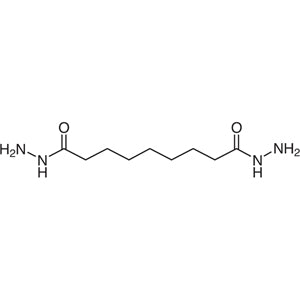
AzelaicDihydrazide TCI A0746
Regular price Rp 2.809.800,00Regular price -
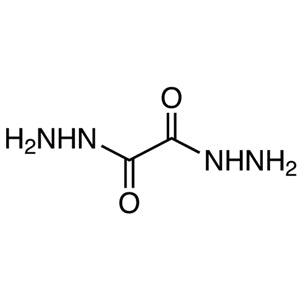
OxalylDihydrazide TCI O0083
Regular price Rp 1.538.250,00Regular price -
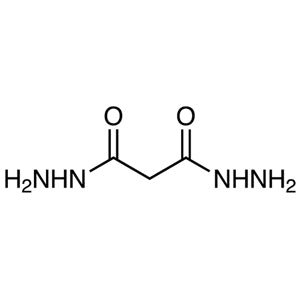
MalonicAcidDihydrazide TCI M3206
Regular price From Rp 875.700,00Regular price -
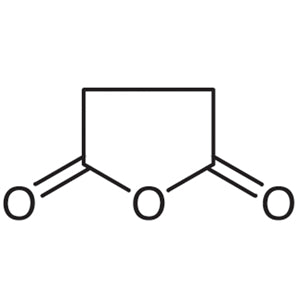
SuccinicAnhydride TCI S0107
Regular price From Rp 477.750,00Regular price -
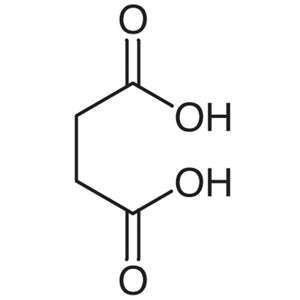
SuccinicAcid TCI S0100
Regular price From Rp 477.750,00Regular price -
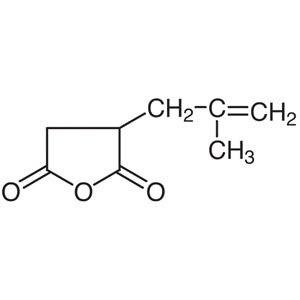
(2-Methyl-2-propenyl)succinicAnhydride TCI M1123
Regular price Rp 7.102.200,00Regular price -
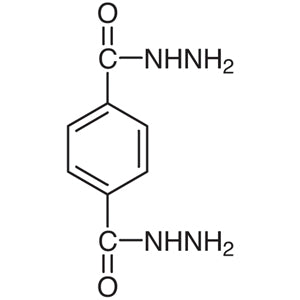
TerephthalicDihydrazide TCI T0758
Regular price From Rp 2.359.350,00Regular price