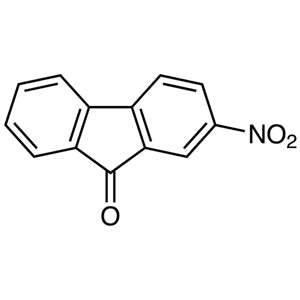
2-Nitrofluorenone is a chemical compound widely used in organic reactions as a building block for the synthesis of complex molecules. It plays a crucial role in laboratory settings by serving as a versatile intermediate in various synthetic pathways. Its molecular structure is stable, and its reactivity can be controlled, making it a preferred choice for chemists. This compound is particularly valuable in the development of heterocyclic compounds and molecules with specific structural features. Due to its ability to participate in reactions such as Diels-Alder and substitution reactions, it is a key component in many synthetic strategies.
The properties that make 2-Nitrofluorenone a preferred choice include its good solubility in organic solvents like ethyl acetate and chloroform, as well as its relatively stable chemical nature under normal conditions. These characteristics facilitate its use in purification and synthesis processes, allowing for efficient handling and application in laboratory workflows. Additionally, its clear molecular structure makes it ideal for chemical analysis and reactivity testing. The compound’s predictable behavior and reliability in different reaction conditions further enhance its appeal in both academic and industrial research environments.
In Indonesian laboratories, 2-Nitrofluorenone is commonly used in organic chemistry research, particularly in higher education institutions and research organizations. It is an essential material for students and researchers working on synthetic projects, especially those involving heterocyclic compounds and complex molecular structures. Its availability and reliability make it a staple in chemical laboratories across Indonesia, supporting a wide range of experimental and analytical activities.
- Organic synthesis of heterocyclic compounds due to its reactivity and structural versatility.
- Diels-Alder reactions as a diene component for forming six-membered rings in synthetic pathways.
- Substitution reactions in aromatic systems to introduce functional groups for further modification.
- Chemical analysis and reactivity testing because of its clear molecular structure and predictable behavior.
- Educational research in undergraduate and graduate chemistry programs for teaching synthetic methods.
| Brand | TCI |
|---|---|
| CAS number | 3096-52-4 |
| Molecular formula | — |
| Purity | — |
| Category | Chemistry > Building Blocks > Non-Heterocyclic Building Blocks |
| Pack sizes | Available in standard laboratory quantities as per supplier specifications |
| Physical form | Solid (crystalline or powder, depending on formulation) |
| Storage | Store in a cool, dry place away from light and moisture |
2-Nitrofluorenone should be stored in a cool, dry environment, away from direct sunlight and moisture. It is recommended to use airtight containers made of glass or high-density polyethylene to prevent contamination and maintain stability. Since it is a chemical compound, it should be handled with appropriate personal protective equipment, including gloves and safety goggles, to ensure laboratory safety. Avoid exposure to heat or open flames, as it may react with certain substances. Proper labeling and storage conditions are essential to maintain its integrity and ensure safe usage in laboratory settings. Always follow standard chemical handling protocols to minimize risks during experimentation and storage.
—
Produk Terkait
-
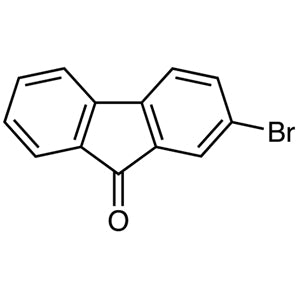
2-Bromo-9-fluorenone TCI B3109
Regular price From Rp 1.353.450,00Regular price -
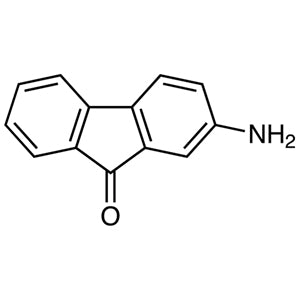
2-Amino-9-fluorenone TCI A1040
Regular price From Rp 1.590.750,00Regular price -
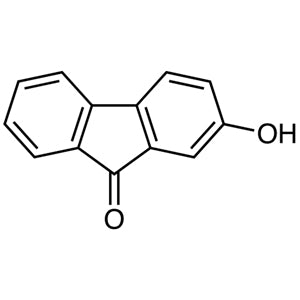
2-Hydroxy-9-fluorenone TCI H0329
Regular price Rp 4.559.100,00Regular price -
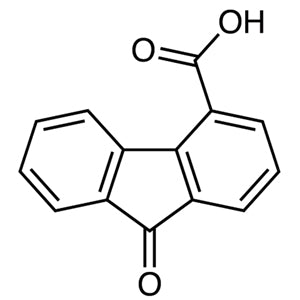
9-Fluorenone-4-carboxylicAcid TCI F0804
Regular price From Rp 1.008.000,00Regular price -
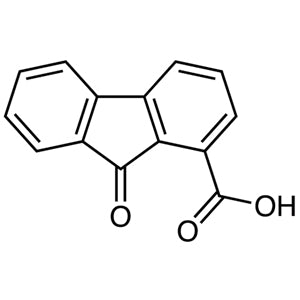
9-Fluorenone-1-carboxylicAcid TCI F0590
Regular price Rp 1.353.450,00Regular price -
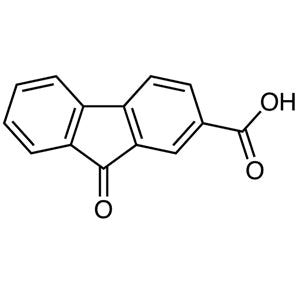
9-Fluorenone-2-carboxylicAcid TCI F0263
Regular price Rp 4.611.600,00Regular price -
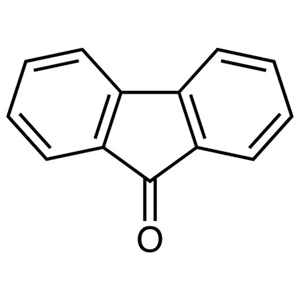
9-Fluorenone TCI F0021
Regular price From Rp 477.750,00Regular price -
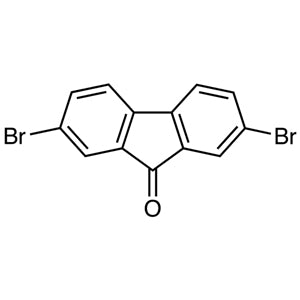
2,7-Dibromo-9-fluorenone TCI D3557
Regular price From Rp 1.273.650,00Regular price