4-Hydroxy-3-nitroso-1-naphthalenesulfonic Acid is a chemical compound widely used as a foundational material in various laboratory reactions. It serves as a key reagent in synthetic processes due to its unique molecular structure, which includes hydroxyl, nitro, and sulfonate functional groups. These groups contribute to its high reactivity and versatility, making it a valuable asset in both organic and pharmaceutical research. Its ability to participate in multiple chemical transformations enhances its utility in complex synthesis pathways.
The compound’s chemical properties make it a preferred choice for researchers seeking reagents with strong reactivity and functional group compatibility. Its stability under controlled conditions allows for precise manipulation in laboratory settings, while its reactivity under specific conditions such as high temperatures or strong solvents enables a wide range of chemical transformations. This combination of stability and reactivity ensures that it remains a reliable component in synthetic chemistry.
In Indonesian laboratories, 4-Hydroxy-3-nitroso-1-naphthalenesulfonic Acid is commonly used in scientific research, particularly in the fields of organic chemistry, pharmaceutical development, and environmental studies. Its role in synthesizing complex molecules and active biological compounds makes it an essential tool for local researchers aiming to advance their scientific work.
Related TCI products
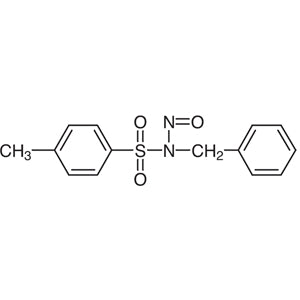
- TCI B3051 33528-13-1 N-Benzyl-N-nitroso-p-toluenesulfonamide
- TCI N0268 525-05-3 Disodium 1-Nitroso-2-naphthol-3,6-disulfonate Monohydrate
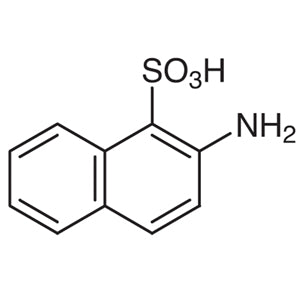
- TCI A0343 81-16-3 2-Amino-1-naphthalenesulfonic Acid
- TCI A0346 119-79-9 5-Amino-2-naphthalenesulfonic Acid
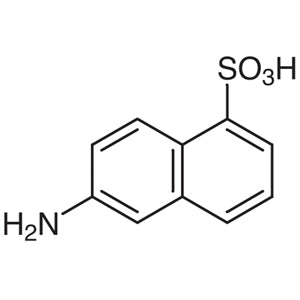
- TCI A0347 81-05-0 6-Amino-1-naphthalenesulfonic Acid
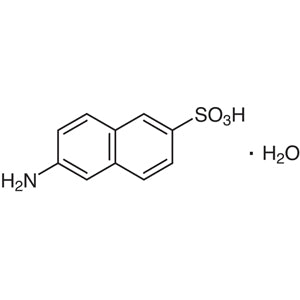
- TCI A0348 93-00-5 6-Amino-2-naphthalenesulfonic Acid Monohydrate
- Organic synthesis: This compound is ideal for organic synthesis due to its reactive functional groups, enabling the formation of complex molecular structures through substitution, reduction, and oxidation reactions.
- Pharmaceutical research: It is widely used in drug development for the synthesis of bioactive compounds, offering versatility in modifying molecular frameworks for therapeutic applications.
- Environmental analysis: Its chemical stability and reactivity make it suitable for studying environmental pollutants and their interactions in aqueous systems.
- Chemical characterization: The compound’s distinct spectroscopic properties aid in the identification and analysis of unknown substances in analytical chemistry.
- Industrial chemical processes: It is employed in industrial settings for the production of dyes, pigments, and other specialty chemicals due to its functional group versatility.
| Brand | TCI |
|---|---|
| CAS number | 3682-32-4 |
| Molecular formula | — |
| Purity | — |
| Category | Chemistry > Building Blocks > Non-Heterocyclic Building Blocks |
| Pack sizes | Available in various quantities as per standard laboratory supply formats |
| Physical form | Solid |
| Storage | Store in a cool, dry place away from direct sunlight and moisture |
This compound should be stored in a cool, dry environment to maintain its chemical integrity and prevent degradation. It is recommended to use airtight containers made of materials such as glass or polyethylene to protect it from moisture and air exposure. Due to its reactivity, it should be handled in a well-ventilated area, and appropriate personal protective equipment should be worn when working with it. Avoid contact with strong oxidizing agents or incompatible substances to ensure safe laboratory practices. Proper labeling and storage conditions are essential to maintain its effectiveness and safety in laboratory settings.
—
Produk Terkait
-
N-Benzyl-N-nitroso-p-toluenesulfonamide TCI B3051
Regular price From Rp 3.843.000,00Regular price -
Disodium1-Nitroso-2-naphthol-3,6-disulfonateMonohydrate TCI N0268
Regular price From Rp 1.035.300,00Regular price -
2-Amino-1-naphthalenesulfonicAcid TCI A0343
Regular price From Rp 477.750,00Regular price -
5-Amino-2-naphthalenesulfonicAcid TCI A0346
Regular price From Rp 717.150,00Regular price -
6-Amino-1-naphthalenesulfonicAcid TCI A0347
Regular price From Rp 955.500,00Regular price -
6-Amino-2-naphthalenesulfonicAcidMonohydrate TCI A0348
Regular price From Rp 1.405.950,00Regular price -
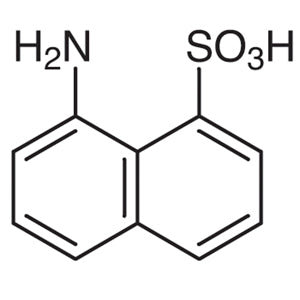
8-Amino-1-naphthalenesulfonicAcid TCI A0350
Regular price From Rp 1.008.000,00Regular price -
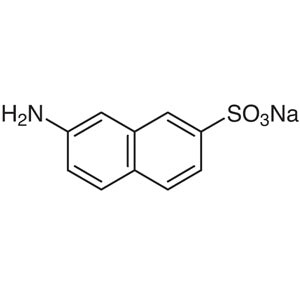
Sodium7-Amino-2-naphthalenesulfonate TCI A0355
Regular price From Rp 1.193.850,00Regular price