2-Nitroethanol is a chemical compound widely used in laboratory settings for the synthesis of complex organic compounds. As a fundamental building block, it plays a crucial role in substitution and reduction reactions, enabling the creation of more intricate molecular structures. This compound is essential for researchers working on organic synthesis, providing a versatile intermediate that can be modified through various chemical transformations. Its utility spans across both academic and industrial research, making it a key component in the development of new chemical entities.
The chemical properties of 2-Nitroethanol make it a preferred choice in laboratory applications. It exhibits stability under certain conditions, which allows it to be used reliably in a range of synthetic processes. Its solubility in organic solvents such as ethanol and ethers enhances its compatibility with many reaction systems. Additionally, its characteristic odor and moderate reactivity ensure that it can be handled with appropriate care, making it a practical option for routine chemical work. These attributes contribute to its widespread use in both research and production environments.
In Indonesian laboratories, 2-Nitroethanol is commonly used in chemical research and development. It is frequently found in university laboratories, research institutions, and pharmaceutical industries, where it supports the synthesis of various organic compounds. Its availability and cost-effectiveness make it a popular choice for scientists and researchers working on projects that require reliable and efficient chemical building blocks. Its role in supporting both fundamental and applied research is well recognized in the scientific community.
- Organic synthesis is a primary application where 2-Nitroethanol serves as a versatile building block for creating complex molecules through substitution and reduction reactions.
- Pharmaceutical research benefits from its use in the development of new drug compounds, where it helps in the formation of functional groups essential for biological activity.
- Academic research in chemistry laboratories relies on 2-Nitroethanol for teaching and experimentation, providing students with hands-on experience in synthetic chemistry techniques.
- Industrial chemical production utilizes this compound for the manufacture of intermediates used in the production of various chemical products.
- Analytical chemistry applications may involve the use of 2-Nitroethanol as a standard or reagent in qualitative and quantitative analysis procedures.
| Brand | TCI |
|---|---|
| CAS number | 625-48-9 |
| Molecular formula | — |
| Purity | — |
| Category | Chemistry > Building Blocks > Non-Heterocyclic Building Blocks |
| Pack sizes | Available in various sizes as per standard chemical supply practices |
| Physical form | Liquid |
| Storage | Store in a cool, dry place away from direct sunlight and incompatible materials |
2-Nitroethanol should be stored in a cool, dry place, away from direct sunlight and sources of heat. It is recommended to use sealed containers made of materials compatible with organic solvents, such as glass or high-density polyethylene. Due to its moderate reactivity, it should be handled with care, using appropriate personal protective equipment such as gloves and safety goggles. It is important to ensure proper ventilation in the laboratory when working with this compound to minimize exposure. Avoid contact with incompatible substances, such as strong oxidizers, to prevent potential chemical reactions. Regular monitoring of storage conditions is advised to maintain the integrity and safety of the compound in the laboratory environment.
—
Produk Terkait
-
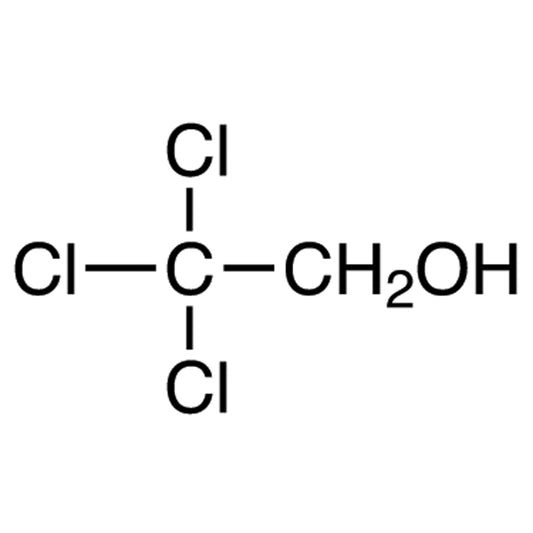
2,2,2-Trichloroethanol TCI T0622
Regular price From Rp 743.400,00Regular price -
2-AminoethanolHydrochloride TCI A0298
Regular price From Rp 717.150,00Regular price -
2-Anilinoethanol TCI A0466
Regular price From Rp 505.050,00Regular price -
2,2,2-Tribromoethanol TCI T1420
Regular price From Rp 1.988.700,00Regular price -
2-Bromoethanol TCI B0590
Regular price From Rp 875.700,00Regular price -
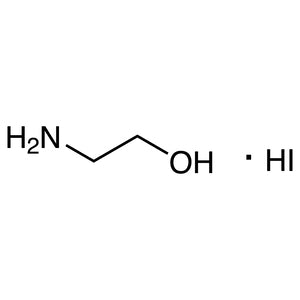
2-AminoethanolHydroiodide TCI A3504
Regular price From Rp 1.140.300,00Regular price -
2-Iodoethanol(stabilizedwithCopperchip) TCI I0391
Regular price From Rp 903.000,00Regular price -
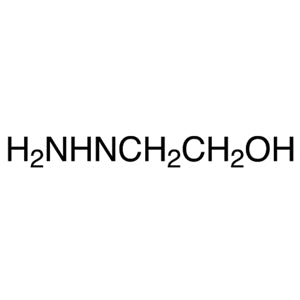
2-Hydrazinoethanol TCI H1067
Regular price Rp 743.400,00Regular price