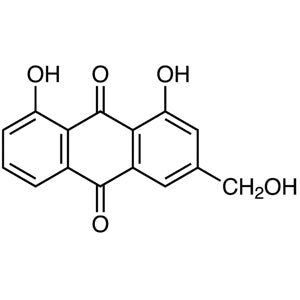
Nicergoline is a chemical compound classified under the alkaloid category, widely utilized in life science research. It plays a crucial role in laboratories by serving as a reagent that helps induce specific responses in cells or tissues. This compound is particularly valuable in neuropharmacological and vascular physiology studies due to its pharmacological activity. Its ability to interact with biological systems makes it an essential tool for exploring the effects on the nervous system and circulatory system.
Nicergoline is preferred for its chemical stability under certain conditions, which allows for consistent experimental results. It is soluble in organic solvents such as ethyl acetate and ethanol, making it easy to dissolve and apply in various experimental setups. These properties enhance its versatility in laboratory applications, supporting a wide range of research activities. Its alkaloid nature also enables researchers to test its effects on different cell types, including neuronal and endothelial cells.
In Indonesian laboratories, Nicergoline is commonly used in research related to neurological disorders, circulatory issues, and drug development. It is also frequently employed in studies examining the effects of stimulants on the nervous system. Its reliability and consistent performance make it a trusted choice for scientists conducting experimental research in both academic and industrial settings.
TCI brochures (PDF)
- Alkaloids 2025-10-10 · p. 6
- Pharmaceutical Ingredients for Research and Experimental Use 2026-03-09 · p. 46
- Neuropharmacological research benefits from Nicergoline's ability to influence neural pathways and cognitive functions, making it ideal for studying brain activity and neurological disorders.
- Vascular physiology studies utilize Nicergoline to investigate its effects on blood vessels and circulation, aiding in the understanding of circulatory diseases.
- Drug development projects incorporate Nicergoline to test its potential as a therapeutic agent, especially in treating conditions related to the nervous and circulatory systems.
- Cellular studies leverage Nicergoline's interaction with various cell types, including neuronal and endothelial cells, to explore its biological effects and mechanisms.
- Stimulant effect studies use Nicergoline to examine its impact on the nervous system, providing insights into how stimulants influence neural activity and behavior.
| Brand | TCI |
|---|---|
| CAS number | 27848-84-6 |
| Molecular formula | — |
| Purity | — |
| Category | Life Science > Biochemicals and Reagents > Alkaloids |
| Pack sizes | Available in various quantities as per standard laboratory requirements |
| Physical form | Solid powder |
| Storage | Store in a cool, dry place away from direct light |
Nicergoline should be stored in a cool, dry environment, away from direct sunlight and moisture to maintain its chemical stability. It is recommended to use airtight containers to prevent exposure to air and humidity, which could affect its integrity. Proper labeling of storage containers is essential for safe handling and easy identification. Laboratory personnel should wear appropriate personal protective equipment, such as gloves and safety goggles, when handling this compound. While it is generally stable under normal storage conditions, it should be kept in a secure location to prevent accidental spills or contamination. Regular monitoring of storage conditions ensures the compound remains effective for research purposes.
—
Product Categories
- Biochemicals and ReagentsAlkaloidsIndole Alkaloids
- Biochemicals and ReagentsPharmaceutical Research Reagents (for Experimental Use)Pharmaceutical Research Reagents (Others)
- Cell BiologyCancer ResearchAntitumor Agents for Research
- Pharmaceutical Development and Drug Discovery ResearchPharmaceutical Research Reagents (for Experimental Use)Pharmaceutical Research Reagents (Others)
Produk Terkait
-
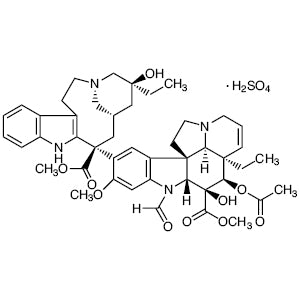
VincristineSulfate TCI V0129
Regular price Rp 4.584.300,00Regular price -
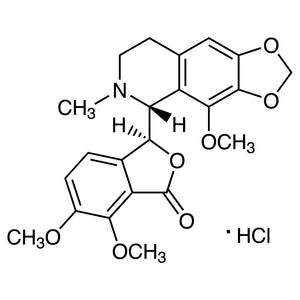
NoscapineHydrochloride TCI N0963
Regular price Rp 3.340.050,00Regular price -
Vinpocetine TCI V0115
Regular price From Rp 1.008.000,00Regular price -
Benzbromarone TCI B4099
Regular price From Rp 875.700,00Regular price -
Ajmaline TCI A3236
Regular price Rp 5.803.350,00Regular price -
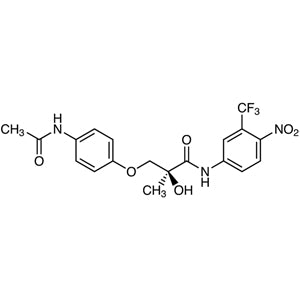
Andarine TCI A3182
Regular price From Rp 1.988.700,00Regular price -
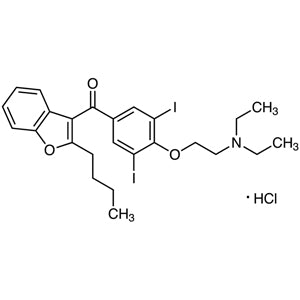
AmiodaroneHydrochloride TCI A2530
Regular price From Rp 1.485.750,00Regular price -
AloeEmodin TCI A2491
Regular price From Rp 2.809.800,00Regular price