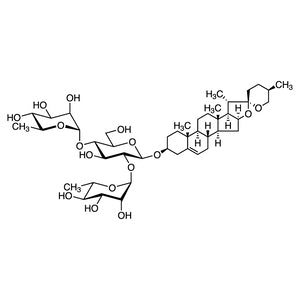
Aloe Emodin is a naturally occurring compound derived from the Aloe vera plant, widely utilized in life science research and biochemical studies. This compound plays a crucial role in laboratories where researchers investigate the biological activities of natural substances. Its presence in various experimental setups allows scientists to explore its potential therapeutic applications and biochemical interactions. Aloe Emodin is particularly valuable for its ability to contribute to the development of new pharmaceuticals and the analysis of bioactive compounds. Due to its unique chemical structure, it is often used as a key component in experiments that require a natural source of active ingredients.
Aloe Emodin is favored for its strong antioxidant, antitumor, and anti-inflammatory properties, which make it an essential tool in biomedical research. Its chemical complexity enables it to interact with multiple biological pathways, offering researchers a versatile compound for various studies. The compound's stability under certain conditions, although sensitive to temperature and light, makes it suitable for long-term research applications. Its resistance to degradation ensures that it remains a reliable material for consistent experimental results. This stability, combined with its bioactive nature, positions Aloe Emodin as a preferred choice for both academic and industrial research settings.
In Indonesian laboratories, Aloe Emodin is commonly used in pharmacological, toxicological, and bioactivity studies. Researchers rely on this compound to investigate the effects of natural substances on biological systems. Its relevance in the development of new therapeutic products makes it an important material for both basic and applied research. The availability of pure Aloe Emodin facilitates accurate chemical isolation and analysis, supporting the advancement of scientific knowledge in the field of natural product research.
TCI brochures (PDF)
- Crude Medicine Ingredients for Cancer Research 2025-02-17 · p. 1
- Traditional Medicine/Crude Medicine Research Reagents 2024-09-11 · p. 2
- Plant Research Reagents 2026-02-24 · p. 9
- Phytochemicals 2025-12-17 · p. 13
- Pharmaceutical Ingredients for Research and Experimental Use 2026-03-09 · p. 42
- Pharmacological research utilizes Aloe Emodin to study the effects of natural compounds on cellular and physiological processes.
- Toxicological studies benefit from Aloe Emodin as it helps assess the safety and potential side effects of bioactive substances.
- Bioactivity analysis employs Aloe Emodin to evaluate the therapeutic potential of natural extracts in various biological models.
- Drug development projects incorporate Aloe Emodin to explore its role in the formulation of new pharmaceutical products.
- Natural product research relies on Aloe Emodin to investigate the chemical composition and biological properties of plant-derived compounds.
| Brand | TCI |
|---|---|
| CAS number | 481-72-1 |
| Molecular formula | — |
| Purity | — |
| Category | Life Science > Biochemicals and Reagents > Crude Medicine Ingredients for Research and Experimental Use |
| Pack sizes | Available in standard laboratory quantities as per supplier specifications |
| Physical form | Solid powder |
| Storage | Store in a cool, dark place away from direct light and heat |
Aloe Emodin should be stored in a cool, dark environment to maintain its stability and prevent degradation. It is recommended to keep the compound in a sealed container to minimize exposure to air and moisture. Due to its sensitivity to temperature and light, it is important to avoid prolonged exposure to these factors. Laboratory personnel should handle the compound with care, using appropriate personal protective equipment when necessary. Proper storage conditions ensure the compound remains effective for research applications. Maintaining a controlled storage environment is essential to preserve the integrity of Aloe Emodin for long-term use in scientific experiments.
—
Product Categories
- Biochemicals and ReagentsCrude Medicine Ingredients for Research and Experimental Use
- Biochemicals and ReagentsPharmaceutical Research Reagents (for Experimental Use)Pharmaceutical Research Reagents (Others)
- Cell BiologyCancer ResearchAntitumor Agents for Research
- Cell BiologyNutrition ResearchPhytochemicals
- Pharmaceutical Development and Drug Discovery ResearchPharmaceutical Research Reagents (for Experimental Use)Pharmaceutical Research Reagents (Others)
- Pharmaceutical Development and Drug Discovery ResearchCrude Medicine Ingredients for Research and Experimental Use
Produk Terkait
-
Emodin TCI E0500
Regular price From Rp 2.969.400,00Regular priceRp 2.091.600,00Sale price From Rp 2.969.400,00 -
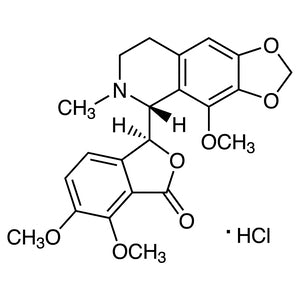
NoscapineHydrochloride TCI N0963
Regular price Rp 3.392.550,00Regular priceRp 2.387.700,00Sale price Rp 3.392.550,00 -
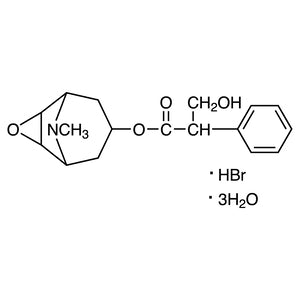
ScopolamineHydrobromideTrihydrate TCI S0021
Regular price From Rp 2.730.000,00Regular priceRp 1.924.650,00Sale price From Rp 2.730.000,00 -
Paclitaxel(1mg*5) TCI P3207
Regular price Rp 1.988.700,00Regular priceRp 1.405.950,00Sale price Rp 1.988.700,00 -
Paclitaxel TCI P1632
Regular price Rp 10.281.600,00Regular priceRp 7.205.100,00Sale price Rp 10.281.600,00 -
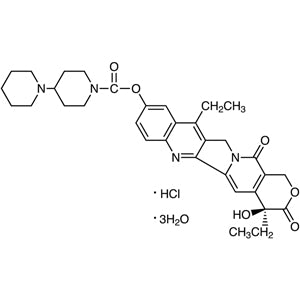
IrinotecanHydrochlorideTrihydrate TCI I0714
Regular price Rp 6.863.850,00Regular priceRp 4.815.300,00Sale price Rp 6.863.850,00 -
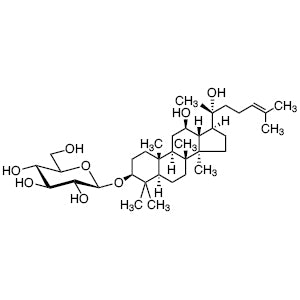
20(R)-GinsenosideRh2 TCI G0567
Regular price From Rp 4.293.450,00Regular priceRp 3.017.700,00Sale price From Rp 4.293.450,00 -
Dioscin TCI D5167
Regular price Rp 6.678.000,00Regular priceRp 4.685.100,00Sale price Rp 6.678.000,00