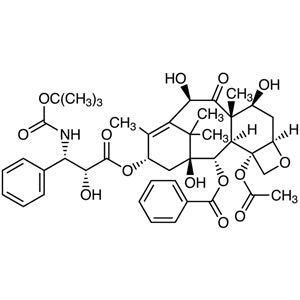
Paclitaxel is a chemical compound widely used in biomedical and pharmacological research. As one of the most effective anti-cancer agents, it has the unique ability to inhibit cell division by affecting microtubules, which are essential components of mitosis. This compound plays a critical role in laboratory settings, particularly in the development of animal disease models and clinical trials. Its application helps researchers evaluate drug efficacy, mechanism of action, and therapeutic responses across various cancer types. Paclitaxel is a fundamental reagent in life science laboratories, supporting advancements in cancer biology and pharmacology.
Paclitaxel is chemically stable and can be stored under specific conditions, making it reliable for long-term use. Its complex molecular structure enables effective interaction with microtubule proteins, enhancing its utility in experimental studies. The compound is highly soluble in organic solvents, which simplifies its application in diverse experimental protocols. These properties make it a preferred choice for researchers seeking consistent and reproducible results in their studies. Its stability and solubility contribute to its widespread use in both academic and industrial research environments.
In Indonesian laboratories, paclitaxel is commonly used as a key reagent in cancer research. It supports the development of animal disease models, which are essential for preclinical testing and drug discovery. Researchers in Indonesia rely on this compound to advance their studies in oncology and pharmacology, contributing to the broader scientific community’s understanding of cancer treatment mechanisms. Its availability and reliability make it an essential tool in the Indonesian scientific landscape.
TCI brochures (PDF)
- Terpenes 2025-09-22 · p. 8
- Antimicrobials and Antitumor Agents for Research and Experimental Use 2025-04-24 · p. 16
- Paclitaxel is used in cancer research to study the effects of anti-cancer drugs on cell division and tumor growth.
- It supports the development of animal disease models for preclinical testing of new therapeutic agents.
- Paclitaxel is employed in pharmacological studies to evaluate drug mechanisms and therapeutic responses in various cancer types.
- The compound is utilized in biochemical experiments to investigate microtubule dynamics and cell cycle regulation.
- Paclitaxel aids in the preparation of experimental solutions for in vitro and in vivo studies related to oncology and drug development.
| Brand | TCI |
|---|---|
| CAS number | 33069-62-4 |
| Molecular formula | — |
| Purity | — |
| Category | Life Science > Biochemicals and Reagents > Animal Disease Models Preparation |
| Pack sizes | 1mg*5 |
| Physical form | Powder |
| Storage | Store in a cool, dry place away from light |
Paclitaxel should be stored in a cool, dry place away from direct light to maintain its chemical stability. It is recommended to use airtight containers to prevent moisture absorption and contamination. Due to its potential toxicity, proper personal protective equipment such as gloves and safety goggles should be worn when handling the compound. It is important to ensure that the compound is kept in a secure location, away from incompatible materials. Laboratory personnel should follow standard safety protocols to minimize exposure and ensure safe handling during experiments. The compound's solubility in organic solvents requires careful consideration during preparation and use in experimental procedures.
—
Product Categories
- Biochemicals and ReagentsAnimal Disease Models PreparationReagents for Pain and Itch Models
- Biochemicals and ReagentsAntibioticsAntibiotics (Chemical Structure Class)
- Biochemicals and ReagentsCrude Medicine Ingredients for Research and Experimental Use
- Biochemicals and ReagentsPharmaceutical Research Reagents (for Experimental Use)Antitumor Research Reagents (for Experimental Use)
- Biochemicals and ReagentsTerpenesDiterpenes
- Cell BiologyCancer ResearchAntitumor Agents for Research
- Cell BiologyNutrition ResearchPhytochemicals
- Cell BiologyStem Cell BiologyRegenerative Medicine Research Reagents
- MicrobiologyAntibioticsAntibiotics (Chemical Structure Class)
- Molecular BiologyRegenerative Medicine Research Reagents
- Pharmaceutical Development and Drug Discovery ResearchPharmaceutical Research Reagents (for Experimental Use)Antitumor Research Reagents (for Experimental Use)
- Pharmaceutical Development and Drug Discovery ResearchAntibioticsAntibiotics (Chemical Structure Class)
- Pharmaceutical Development and Drug Discovery ResearchCrude Medicine Ingredients for Research and Experimental Use
Produk Terkait
-
Paclitaxel TCI P1632
Regular price Rp 10.281.600,00Regular priceRp 7.205.100,00Sale price Rp 10.281.600,00 -
Docetaxel TCI D4102
Regular price From Rp 2.994.600,00Regular priceRp 2.109.450,00Sale price From Rp 2.994.600,00 -
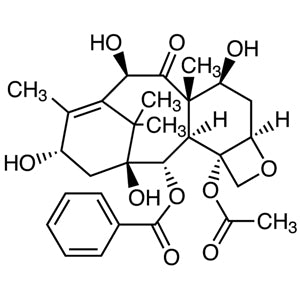
10-DeacetylbaccatinIII TCI D4148
Regular price From Rp 1.881.600,00Regular priceRp 1.331.400,00Sale price From Rp 1.881.600,00 -
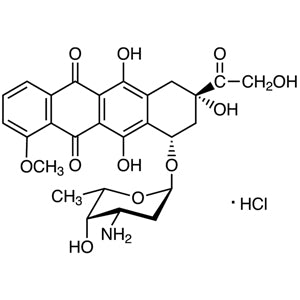
DoxorubicinHydrochloride TCI D4193
Regular price From Rp 6.095.250,00Regular priceRp 4.277.700,00Sale price From Rp 6.095.250,00 -
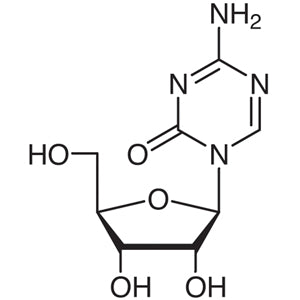
5-Azacytidine TCI A2033
Regular price From Rp 1.167.600,00Regular priceRp 831.600,00Sale price From Rp 1.167.600,00 -
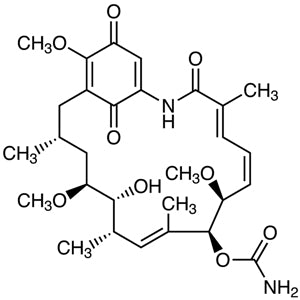
Geldanamycin TCI G0334
Regular price Rp 7.737.450,00Regular priceRp 5.426.400,00Sale price Rp 7.737.450,00 -
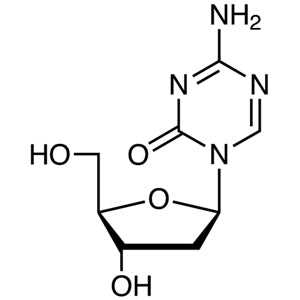
5-Aza-2'-deoxycytidine TCI A2232
Regular price From Rp 3.419.850,00Regular priceRp 2.406.600,00Sale price From Rp 3.419.850,00 -
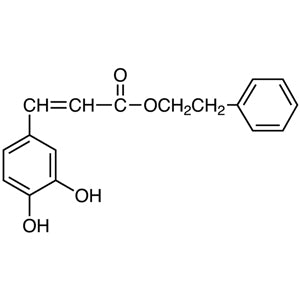
PhenethylCaffeate TCI P2088
Regular price From Rp 1.087.800,00Regular priceRp 775.950,00Sale price From Rp 1.087.800,00