5-Aza-2'-deoxycytidine is a chemical compound widely used in biochemical and molecular biology research. It functions as a nucleotide analog, playing a crucial role in DNA modification, particularly in the process of DNA demethylation. This compound is essential for studying epigenetic mechanisms and gene regulation, making it a valuable tool in modern laboratory settings. Its ability to inhibit methyltransferase activity allows researchers to explore how DNA methylation affects gene expression and cellular differentiation.
The compound's chemical properties make it a preferred choice for laboratory applications. It has a stable structure under controlled conditions, enabling consistent results in experiments. Its similarity to natural nucleotides allows it to integrate easily into DNA during synthesis, making it ideal for targeted DNA modifications. The solid form and ease of dissolving in solution further enhance its practicality for use in various experimental protocols.
In Indonesian laboratories, 5-Aza-2'-deoxycytidine is commonly used in epigenetic studies, cell biology, and cancer research. Researchers rely on this compound to investigate the role of DNA methylation in disease progression and to develop therapeutic strategies. Its availability and ease of handling make it a practical choice for both academic and industrial research settings in Indonesia.
TCI brochures (PDF)
- Base Modified Nucleosides and Nucleotides for Epigenetic Research 2025-04-14 · p. 1
- Epigenetics Research Reagents 2024-11-22 · p. 1
- Cancer Research Reagents 2025-04-01 · p. 8
- Nucleosides, Nucleotides, Nucleic Acids and Related Reagents 2026-03-23 · p. 3
- Antimicrobials and Antitumor Agents for Research and Experimental Use 2025-04-24 · p. 12
- Pharmaceutical Ingredients for Research and Experimental Use 2026-03-09 · p. 12
- Epigenetic Research: This compound is used to study DNA demethylation and its impact on gene expression, offering insights into cellular differentiation and disease mechanisms.
- Cancer Research: It helps in understanding how DNA methylation contributes to oncogenesis and in developing targeted therapies for malignant conditions.
- Gene Regulation Studies: Its ability to inhibit methyltransferase makes it ideal for investigating the epigenetic control of gene activity in various biological systems.
- Molecular Biology Experiments: It is frequently used in DNA modification protocols, enabling precise manipulation of genetic material for functional studies.
- Cellular Differentiation Studies: Researchers use it to explore how methylation patterns influence cell fate and developmental processes in different cell types.
| Brand | TCI |
|---|---|
| CAS number | 2353-33-5 |
| Molecular formula | — |
| Purity | — |
| Category | Chemistry > Chemical Biology > Nucleic Acid Chemistry |
| Pack sizes | Available in various quantities as per supplier specifications |
| Physical form | Solid |
| Storage | Store in a cool, dry place away from moisture and direct light |
5-Aza-2'-deoxycytidine should be stored in a cool, dry environment to maintain its chemical stability and prevent degradation. It is sensitive to moisture and should be kept in airtight containers to avoid exposure to air and humidity. Laboratory personnel should handle the compound with care, using appropriate personal protective equipment such as gloves and safety goggles. It is recommended to store it in a desiccator or a sealed container to minimize environmental exposure. Proper labeling and storage conditions are essential to ensure the compound remains effective for research applications. Regular monitoring of storage conditions will help maintain its integrity and usability in experimental settings.
—
Product Categories
- Biochemicals and ReagentsAntibioticsAntibiotics (by Application)
- Biochemicals and ReagentsNucleosides, Nucleotides, OligonucleotidesNucleoside Analogs
- Biochemicals and ReagentsNucleosides, Nucleotides, OligonucleotidesNucleosides
- Biochemicals and ReagentsPharmaceutical Research Reagents (for Experimental Use)Antitumor Research Reagents (for Experimental Use)
- Biochemicals and ReagentsPharmaceutical Research Reagents (for Experimental Use)Antiviral Research Reagents (for Experimental Use)
- Cell BiologyCancer ResearchAntitumor Agents for Research
- Cell BiologyStem Cell BiologyRegenerative Medicine Research Reagents
- MicrobiologyAntibioticsAntibiotics (by Application)
- Molecular BiologyRegenerative Medicine Research Reagents
- Molecular BiologyEpigeneticsBioactive Small Molecules for Epigenetic Research
- Molecular BiologyEpigeneticsBase Modified Nucleosides and Nucleotides
- Molecular BiologyGenetic ResearchCRISPR/Cas9 Genome Editing Enhancers
- Pharmaceutical Development and Drug Discovery ResearchNucleic Acid ChemistryBase Modified Nucleosides and Nucleotides
- Pharmaceutical Development and Drug Discovery ResearchPharmaceutical Research Reagents (for Experimental Use)Antitumor Research Reagents (for Experimental Use)
- Pharmaceutical Development and Drug Discovery ResearchPharmaceutical Research Reagents (for Experimental Use)Antiviral Research Reagents (for Experimental Use)
- Pharmaceutical Development and Drug Discovery ResearchAntibioticsAntibiotics (by Application)
Produk Terkait
-
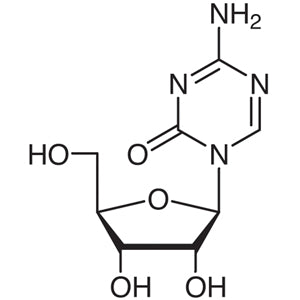
5-Azacytidine TCI A2033
Regular price From Rp 1.167.600,00Regular priceRp 831.600,00Sale price From Rp 1.167.600,00 -
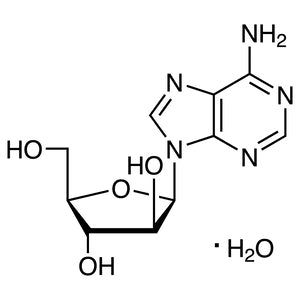
VidarabineMonohydrate TCI V0098
Regular price From Rp 3.710.700,00Regular priceRp 2.610.300,00Sale price From Rp 3.710.700,00 -
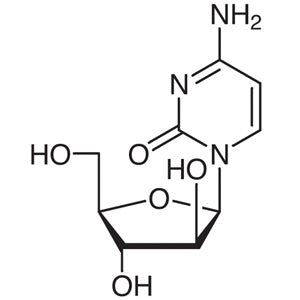
Cytarabine TCI C2035
Regular price From Rp 875.700,00Regular priceRp 627.900,00Sale price From Rp 875.700,00 -
TrichostatinA TCI T2477
Regular price From Rp 10.440.150,00Regular priceRp 7.316.400,00Sale price From Rp 10.440.150,00 -
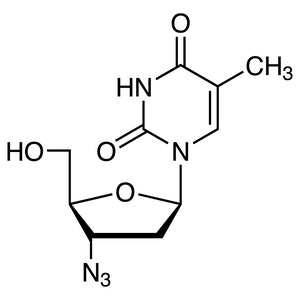
3'-Azido-3'-deoxythymidine TCI A2052
Regular price From Rp 2.464.350,00Regular priceRp 1.738.800,00Sale price From Rp 2.464.350,00 -
2',3'-Didehydro-3'-deoxythymidine TCI D3580
Regular price From Rp 1.643.250,00Regular priceRp 1.164.450,00Sale price From Rp 1.643.250,00 -
5-Aminoimidazole-4-carboxamide1-beta-D-Ribofuranoside TCI A2528
Regular price Rp 2.597.700,00Regular priceRp 1.832.250,00Sale price Rp 2.597.700,00 -
Inosine TCI I0037
Regular price From Rp 1.405.950,00Regular priceRp 998.550,00Sale price From Rp 1.405.950,00