Inosine is a purine nucleoside formed from the hypoxanthine base linked to a ribose sugar. It is one of the most fundamental molecules in nucleic acid biochemistry, acting as an intermediate in the purine salvage pathway and as an unusual base that appears at the wobble position of the tRNA anticodon. Because inosine can pair with more than one base, it has become an important subject in studies of genetic translation, RNA editing, and oligonucleotide design. In the laboratory it serves as a synthetic starting material, an analytical standard, and a supplement in culture media.
The properties that make inosine a preferred choice begin with its stability as a solid under ordinary storage conditions, together with adequate solubility in hot water and buffer solutions, so that working solutions are straightforward to prepare. The absence of an amino group on the hypoxanthine base gives a hydrogen bonding pattern different from that of adenosine or guanosine, and it is precisely this difference that many experiments are designed to exploit. As a nucleoside carrying no phosphate group, inosine also provides a clean starting point toward phosphorylated nucleotides by either chemical or enzymatic routes.
In Indonesian laboratories, inosine is used across university research groups, biotechnology laboratories, and analytical facilities that work with nucleosides and nucleotides. It is typically prepared as a stock solution for assay work, employed as a reference material in chromatographic analysis, or added to culture formulations. Supplied by TCI under catalogue number I0037, it is handled in the same way as other solid nucleoside reagents held in a general chemical store.
TCI brochures (PDF)
- Methylated Nucleoside in the 5’-Terminal Structure of Eukaryotic mRNA 2025-04-14 · p. 1
- Base Modified Nucleosides and Nucleotides for Epigenetic Research 2025-04-14 · p. 2
- Nucleosides, Nucleotides, Nucleic Acids and Related Reagents 2026-03-23 · p. 4
- Antimicrobials and Antitumor Agents for Research and Experimental Use 2025-04-24 · p. 12
- Pharmaceutical Ingredients for Research and Experimental Use 2026-03-09 · p. 13
- Reagents for Biological Research 2025-03-11 · p. 60
- Nucleic acid chemistry research: inosine is central to studies of base pairing behaviour, since its ability to pair with more than one base makes it directly relevant to translation and RNA editing work.
- Oligonucleotide design studies: the distinct hydrogen bonding pattern of the hypoxanthine base, lacking an amino group, allows researchers to probe recognition effects unavailable with adenosine or guanosine.
- Synthetic starting material: as a nucleoside without a phosphate group, inosine offers a clean entry point toward phosphorylated nucleotides through either chemical reaction sequences or enzymatic conversion.
- Analytical standard preparation: its stability as a solid and adequate solubility in hot water and buffers make inosine convenient to weigh out and prepare as reference solutions.
- Cell culture media supplementation: inosine is added as a supplement to culture formulations, where its role as an intermediate in the purine salvage pathway is relevant to cellular metabolism studies.
| Brand | TCI |
|---|---|
| CAS number | 58-63-9 |
| Molecular formula | — |
| Purity | — |
| Category | Chemistry > Chemical Biology > Nucleic Acid Chemistry |
| Pack sizes | available in the standard pack sizes listed by TCI for this catalogue number |
| Physical form | solid, stable under ordinary storage conditions |
| Storage | — |
- Catalogue number: I0037
Store inosine as a solid under the ordinary storage conditions indicated by the manufacturer, keeping the container tightly closed to limit exposure to atmospheric moisture. Original manufacturer packaging or a clean, well-sealed glass or chemically compatible plastic container is suitable for storage and for any repackaged portions, which should be clearly labelled. Weigh and transfer the material in a well-ventilated area or fume hood, using clean spatulas to avoid cross-contamination of the stock. Wear standard laboratory personal protective equipment, including a laboratory coat, safety glasses, and suitable gloves. Prepared aqueous or buffered working solutions should be labelled with the preparation date and stored according to the requirements of the experiment. Consult the manufacturer's safety data sheet before first use and dispose of surplus material in accordance with local chemical waste regulations.
—
Product Categories
- Biochemicals and ReagentsAntibioticsAntibiotics (by Application)
- Biochemicals and ReagentsNucleosides, Nucleotides, OligonucleotidesNucleoside Analogs
- Biochemicals and ReagentsNucleosides, Nucleotides, OligonucleotidesNucleosides
- Biochemicals and ReagentsPharmaceutical Research Reagents (for Experimental Use)Antiviral Research Reagents (for Experimental Use)
- MicrobiologyAntibioticsAntibiotics (by Application)
- Molecular BiologyEpigeneticsBase Modified Nucleosides and Nucleotides
- Pharmaceutical Development and Drug Discovery ResearchNucleic Acid ChemistryBase Modified Nucleosides and Nucleotides
- Pharmaceutical Development and Drug Discovery ResearchPharmaceutical Research Reagents (for Experimental Use)Antiviral Research Reagents (for Experimental Use)
- Pharmaceutical Development and Drug Discovery ResearchAntibioticsAntibiotics (by Application)
Produk Terkait
-
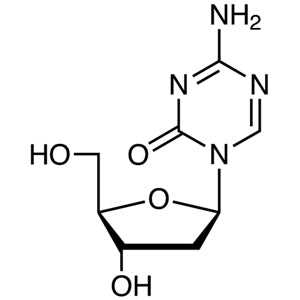
5-Aza-2'-deoxycytidine TCI A2232
Regular price From Rp 3.419.850,00Regular priceRp 2.406.600,00Sale price From Rp 3.419.850,00 -
ValacyclovirHydrochloride TCI V0111
Regular price From Rp 2.147.250,00Regular priceRp 1.517.250,00Sale price From Rp 2.147.250,00 -
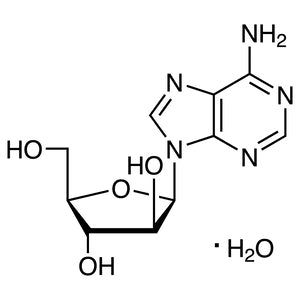
VidarabineMonohydrate TCI V0098
Regular price From Rp 3.710.700,00Regular priceRp 2.610.300,00Sale price From Rp 3.710.700,00 -
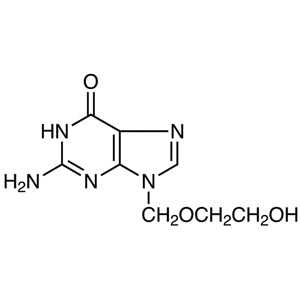
Acyclovir TCI A1915
Regular price From Rp 530.250,00Regular priceRp 386.400,00Sale price From Rp 530.250,00 -
Penciclovir TCI P2164
Regular price Rp 2.411.850,00Regular priceRp 1.702.050,00Sale price Rp 2.411.850,00 -
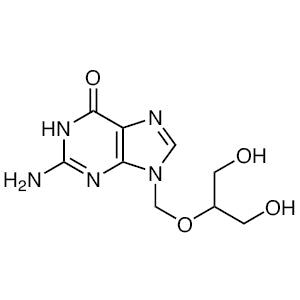
Ganciclovir TCI G0315
Regular price From Rp 3.392.550,00Regular priceRp 2.387.700,00Sale price From Rp 3.392.550,00 -
Famciclovir TCI F0842
Regular price Rp 1.908.900,00Regular priceRp 1.350.300,00Sale price Rp 1.908.900,00 -
EntecavirMonohydrate TCI E0899
Regular price From Rp 4.028.850,00Regular priceRp 2.832.900,00Sale price From Rp 4.028.850,00