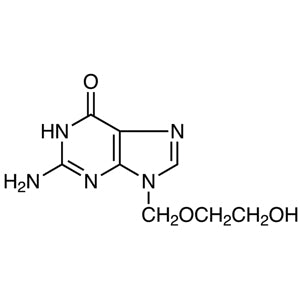
Acyclovir is a chemical compound widely utilized in life sciences and biochemical research, particularly in the study of antibiotics. As a nucleoside analog, it effectively inhibits the replication of herpes viruses, making it a key component in virology experiments. Its role in laboratory settings is critical for testing antiviral activity, drug development, and therapeutic research. This compound is essential for researchers working on viral infections, offering a reliable tool for understanding viral mechanisms and developing targeted treatments.
Acyclovir is valued for its chemical stability under specific conditions and its solubility in organic solvents such as ethyl acetate or acetone. These properties make it easy to dissolve and suitable for various laboratory applications. Its solid form also simplifies handling and storage, making it a practical choice for researchers. The compound’s versatility and consistent performance contribute to its popularity in both academic and industrial research environments.
In Indonesian laboratories, Acyclovir is commonly used in public health, pharmaceutical, and biomedical research. It supports efforts to combat herpes-related diseases, including herpes simplex and varicella-zoster. Researchers rely on this compound to develop more effective testing methods and treatment strategies, reinforcing its importance in the fight against viral infections.
Advantages (TCI brochure)
- Developed by Elion in 1977; shows antiviral activity
TCI brochures (PDF)
- Immunology Research Reagents 2026-06-03 · p. 9
- Nucleosides, Nucleotides, Nucleic Acids and Related Reagents 2026-03-23 · p. 4
- Antimicrobials and Antitumor Agents for Research and Experimental Use 2025-04-24 · p. 11
- Pharmaceutical Ingredients for Research and Experimental Use 2026-03-09 · p. 12
- Reagents for Biological Research 2025-03-11 · p. 44
- Antiviral Activity Testing: Acyclovir is ideal for assessing the effectiveness of antiviral agents against herpes viruses, supporting drug development and therapeutic research.
- Virology Research: Its ability to inhibit herpes virus replication makes it a valuable tool in studying viral mechanisms and infection processes.
- Drug Development: Used in the formulation and testing of antiviral medications, Acyclovir aids in the creation of new treatments for viral infections.
- Public Health Research: Indonesian laboratories use it to study the prevalence and impact of herpes-related diseases in the population.
- Biomedical Studies: Acyclovir supports research into viral pathogenesis and the development of targeted therapies for chronic viral infections.
From the TCI brochure
- Antiviral research
| Brand | TCI |
|---|---|
| CAS number | 59277-89-3 |
| Molecular formula | — |
| Purity | — |
| Category | Life Science > Biochemicals and Reagents > Antibiotics |
| Pack sizes | — |
| Physical form | Solid |
| Storage | Store in a cool, dry place away from light |
Acyclovir should be stored in a cool, dry environment, away from direct light to maintain its chemical stability. It is recommended to use airtight containers to prevent moisture absorption and contamination. As a solid compound, it is generally easy to handle, but care should be taken to avoid exposure to incompatible substances. In laboratory settings, proper personal protective equipment should be worn when handling the material. Acyclovir is non-hazardous under normal conditions but should be treated with standard chemical safety protocols to ensure safe usage and storage.
—
Product Categories
- Biochemicals and ReagentsAntibioticsAntibiotics (by Application)
- Biochemicals and ReagentsNucleosides, Nucleotides, OligonucleotidesNucleoside Analogs
- Biochemicals and ReagentsNucleosides, Nucleotides, OligonucleotidesNucleosides
- Biochemicals and ReagentsPharmaceutical Research Reagents (for Experimental Use)Antiviral Research Reagents (for Experimental Use)
- Biochemicals and Reagents
- MicrobiologyAntibioticsAntibiotics (by Application)
- Pharmaceutical Development and Drug Discovery ResearchPharmaceutical Research Reagents (for Experimental Use)Antiviral Research Reagents (for Experimental Use)
- Pharmaceutical Development and Drug Discovery ResearchAntibioticsAntibiotics (by Application)
Produk Terkait
-
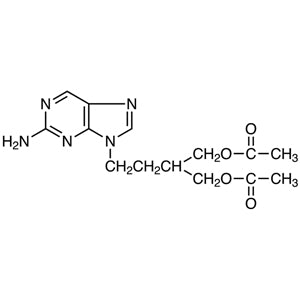
Penciclovir TCI P2164
Regular price Rp 2.359.350,00Regular price -
Famciclovir TCI F0842
Regular price Rp 1.856.400,00Regular price -
2',3'-Dideoxyinosine TCI D3066
Regular price From Rp 1.008.000,00Regular price -
Trifluorothymidine TCI T2511
Regular price From Rp 3.180.450,00Regular price -
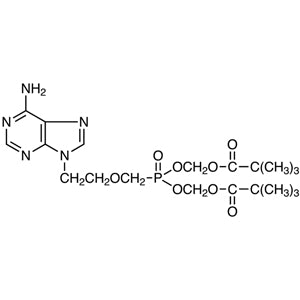
AdefovirDipivoxil TCI A2414
Regular price From Rp 980.700,00Regular price -
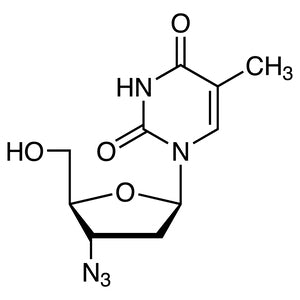
3'-Azido-3'-deoxythymidine TCI A2052
Regular price From Rp 2.411.850,00Regular price -
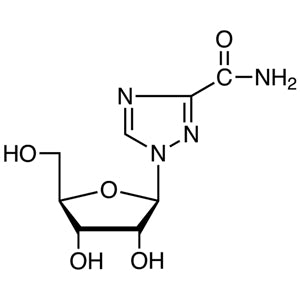
Ribavirin TCI R0077
Regular price From Rp 955.500,00Regular price -
Lamivudine TCI L0217
Regular price From Rp 1.035.300,00Regular price