Ribavirin is a chemical compound widely used in life science research, particularly in pharmacology and virology. As an antiviral agent, it has the ability to inhibit viral replication, making it a key component in the development of antiviral drugs and therapeutic trials. This compound is essential for laboratories conducting experiments related to viral infections and their treatment. Its role in scientific research is critical, especially in understanding how viruses interact with host cells and how to develop effective countermeasures.
Ribavirin is preferred due to its complex molecular structure and stable chemical properties, which allow it to maintain effectiveness under various laboratory conditions. Its ability to target both RNA and DNA viruses makes it highly sought after in studies involving infectious diseases. Additionally, its resistance to certain environmental conditions simplifies storage and long-term use. These characteristics make it a reliable choice for researchers working on diverse virological projects.
In Indonesian laboratories, Ribavirin is commonly used in research related to viral diseases such as hepatitis C and influenza. It is also utilized in studies focused on the mechanisms of antiviral action and the development of infection control strategies. Its versatility and effectiveness make it a valuable tool for scientists and researchers in the field of virology and pharmaceutical development.
Advantages (TCI brochure)
- Ribonucleoside analog polymerase inhibitor
- Inhibitor of hepatitis C virus (HCV)
TCI brochures (PDF)
- Antiviral Agents Targeting RNA-Dependent RNA Polymerase (RdRp) 2025-11-25 · p. 1
- Immunology Research Reagents 2026-06-03 · p. 9
- Nucleosides, Nucleotides, Nucleic Acids and Related Reagents 2026-03-23 · p. 4
- Antimicrobials and Antitumor Agents for Research and Experimental Use 2025-04-24 · p. 5
- Pharmaceutical Ingredients for Research and Experimental Use 2026-03-09 · p. 5
- Reagents for Biological Research 2025-03-11 · p. 61
- Antiviral Drug Development: Ribavirin is used to test the efficacy of antiviral compounds against a range of viral pathogens, supporting the creation of new therapeutic options.
- Virology Research: It is essential for studying viral replication mechanisms and the impact of antiviral agents on viral activity in controlled environments.
- Infectious Disease Studies: Ribavirin aids in investigating the behavior of viruses in different host environments and the effectiveness of treatment protocols.
- Molecular Biology Experiments: Its chemical stability allows it to be used in experiments requiring precise control of viral replication and genetic expression.
- Clinical Trial Support: It is utilized in preclinical trials to evaluate the safety and effectiveness of antiviral treatments before human trials.
From the TCI brochure
- Research on hepatitis C virus (HCV)
| Brand | TCI |
|---|---|
| CAS number | 36791-04-5 |
| Molecular formula | — |
| Purity | — |
| Category | Life Science > Biochemicals and Reagents > Antibiotics |
| Pack sizes | Available in various quantities as per standard laboratory requirements |
| Physical form | Powder |
| Storage | Store in a cool, dry place away from direct sunlight |
Ribavirin should be stored in a cool, dry location, away from direct sunlight and moisture to maintain its chemical stability. It is recommended to use airtight containers to prevent contamination and degradation. Due to its chemical nature, it should be handled with appropriate personal protective equipment, such as gloves and safety goggles, to ensure laboratory safety. Avoid exposure to incompatible substances and ensure proper ventilation when working with the compound. Regular monitoring of storage conditions is essential to preserve its effectiveness for research purposes. Always follow standard laboratory safety protocols when handling and storing this material.
References cited in the TCI brochure
- Marco Vignuzzi. Ribavirin and lethal mutagenesis of poliovirus: molecular mechanisms, resistance and biological implications Virus Research, 2005. doi:10.1016/j.virusres.2004.11.007
- Sangita Venkataraman. RNA Dependent RNA Polymerases: Insights from Structure, Function and Evolution Viruses, 2018. doi:10.3390/v10020076
Product Categories
- Biochemicals and ReagentsAntibioticsAntibiotics (Chemical Structure Class)
- Biochemicals and ReagentsAntibioticsAntibiotics (by Application)
- Biochemicals and ReagentsNucleosides, Nucleotides, OligonucleotidesNucleoside Analogs
- Biochemicals and ReagentsPharmaceutical Research Reagents (for Experimental Use)Antimicrobial Ingredients (for Research and Experimental Use)
- Biochemicals and ReagentsPharmaceutical Research Reagents (for Experimental Use)Antiviral Research Reagents (for Experimental Use)
- Biochemicals and Reagents
- MicrobiologyAntibioticsAntibiotics (Chemical Structure Class)
- MicrobiologyAntibioticsAntibiotics (by Application)
- Pharmaceutical Development and Drug Discovery ResearchPharmaceutical Research Reagents (for Experimental Use)Antimicrobial Ingredients (for Research and Experimental Use)
- Pharmaceutical Development and Drug Discovery ResearchPharmaceutical Research Reagents (for Experimental Use)Antiviral Research Reagents (for Experimental Use)
- Pharmaceutical Development and Drug Discovery ResearchAntibioticsAntibiotics (Chemical Structure Class)
- Pharmaceutical Development and Drug Discovery ResearchAntibioticsAntibiotics (by Application)
Produk Terkait
-
ValganciclovirHydrochloride TCI V0158
Regular price From Rp 1.618.050,00Regular priceRp 1.146.600,00Sale price From Rp 1.618.050,00 -
Tubercidin TCI T4110
Regular price Rp 10.547.250,00Regular priceRp 7.390.950,00Sale price Rp 10.547.250,00 -
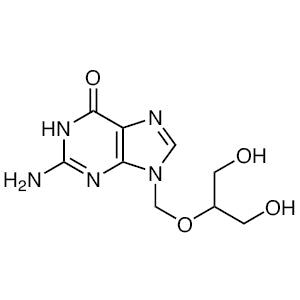
Ganciclovir TCI G0315
Regular price From Rp 3.392.550,00Regular priceRp 2.387.700,00Sale price From Rp 3.392.550,00 -
Trifluorothymidine TCI T2511
Regular price From Rp 3.232.950,00Regular priceRp 2.276.400,00Sale price From Rp 3.232.950,00 -
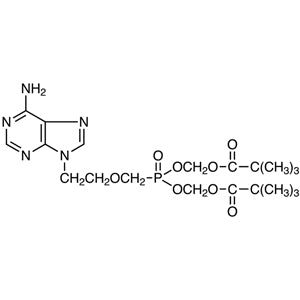
AdefovirDipivoxil TCI A2414
Regular price From Rp 1.033.200,00Regular priceRp 738.150,00Sale price From Rp 1.033.200,00 -
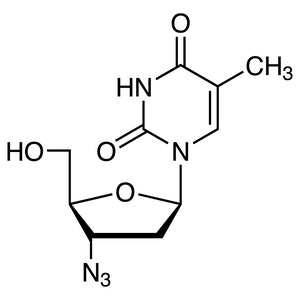
3'-Azido-3'-deoxythymidine TCI A2052
Regular price From Rp 2.464.350,00Regular priceRp 1.738.800,00Sale price From Rp 2.464.350,00 -
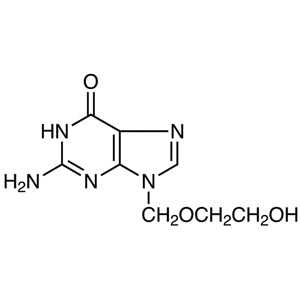
Acyclovir TCI A1915
Regular price From Rp 530.250,00Regular priceRp 386.400,00Sale price From Rp 530.250,00 -
Penciclovir TCI P2164
Regular price Rp 2.411.850,00Regular priceRp 1.702.050,00Sale price Rp 2.411.850,00