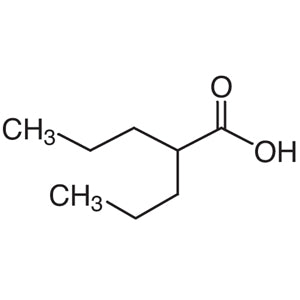
5-Azacytidine is a chemical compound widely used in biochemical and molecular biology research. As a nucleotide analog, it plays a crucial role in DNA and RNA modification, particularly in the study of cellular differentiation and gene regulation. This compound is essential for experiments involving DNA synthesis inhibition, making it a key tool in cancer and genetic disease research. In the laboratory, it is used to control gene expression and investigate genetic regulatory mechanisms.
5-Azacytidine is chemically stable and soluble in organic solvents such as ethyl acetate and acetone. These properties make it easy to dissolve and use in various chemical reactions and laboratory techniques like PCR and cell culture. Its solid form also facilitates handling and storage in laboratory environments. The compound’s compatibility with common solvents and its stability under standard conditions contribute to its reliability in research applications.
In Indonesian laboratories, 5-Azacytidine is commonly used in university and research institution studies focused on chronic diseases and genetic therapy development. It is an integral part of research programs aimed at cancer and genetic disease treatments. Its versatility and effectiveness make it a preferred choice for both academic and applied research settings in Indonesia.
TCI brochures (PDF)
- Base Modified Nucleosides and Nucleotides for Epigenetic Research 2025-04-14 · p. 1
- Epigenetics Research Reagents 2024-11-22 · p. 1
- Regenerative Medicine Research Reagents 2016-03-18 · p. 1
- Cancer Research Reagents 2025-04-01 · p. 8
- Nucleosides, Nucleotides, Nucleic Acids and Related Reagents 2026-03-23 · p. 3
- Antimicrobials and Antitumor Agents for Research and Experimental Use 2025-04-24 · p. 5
- Gene regulation studies benefit from 5-Azacytidine’s ability to modulate DNA methylation, aiding in understanding epigenetic mechanisms.
- Cancer research utilizes this compound to inhibit DNA synthesis, helping in the development of targeted therapies for malignant tumors.
- Genetic disease investigations rely on 5-Azacytidine to study gene expression patterns and cellular differentiation processes.
- Cell culture experiments use this compound to control DNA replication, supporting the growth and differentiation of cultured cells.
- Molecular biology research incorporates 5-Azacytidine in DNA modification studies, contributing to the development of advanced genetic technologies.
From the TCI brochure
- Reported with trichostatin A to improve the efficiency of induced pluripotent stem (iPS) cell generation (refs 7 and 9)
| Brand | TCI |
|---|---|
| CAS number | 320-67-2 |
| Molecular formula | — |
| Purity | — |
| Category | Chemistry > Chemical Biology > Nucleic Acid Chemistry |
| Pack sizes | Available in standard laboratory quantities |
| Physical form | Solid |
| Storage | Store in a cool, dry place away from light |
5-Azacytidine should be stored in a cool, dry place away from direct light to maintain its chemical stability. It is recommended to use airtight containers to prevent moisture absorption and contamination. Due to its solubility in organic solvents, it should be handled with care to avoid exposure during preparation and use. Laboratory personnel should wear appropriate personal protective equipment, such as gloves and safety goggles, when handling this compound. Proper ventilation is also essential to ensure safe working conditions. The compound’s stability under standard storage conditions ensures consistent performance in experimental applications.
—
Product Categories
- Biochemicals and ReagentsAntibioticsAntibiotics (Chemical Structure Class)
- Biochemicals and ReagentsNucleosides, Nucleotides, OligonucleotidesNucleoside Analogs
- Biochemicals and ReagentsNucleosides, Nucleotides, OligonucleotidesNucleosides
- Biochemicals and ReagentsPharmaceutical Research Reagents (for Experimental Use)Antimicrobial Ingredients (for Research and Experimental Use)
- Biochemicals and ReagentsPharmaceutical Research Reagents (for Experimental Use)Antitumor Research Reagents (for Experimental Use)
- Cell BiologyCancer ResearchAntitumor Agents for Research
- Cell BiologyStem Cell BiologyRegenerative Medicine Research Reagents
- MicrobiologyAntibioticsAntibiotics (Chemical Structure Class)
- Molecular BiologyRegenerative Medicine Research Reagents
- Molecular BiologyEpigeneticsBioactive Small Molecules for Epigenetic Research
- Molecular BiologyEpigeneticsBase Modified Nucleosides and Nucleotides
- Molecular BiologyGenetic ResearchCRISPR/Cas9 Genome Editing Enhancers
- Pharmaceutical Development and Drug Discovery ResearchNucleic Acid ChemistryBase Modified Nucleosides and Nucleotides
- Pharmaceutical Development and Drug Discovery ResearchPharmaceutical Research Reagents (for Experimental Use)Antimicrobial Ingredients (for Research and Experimental Use)
- Pharmaceutical Development and Drug Discovery ResearchPharmaceutical Research Reagents (for Experimental Use)Antitumor Research Reagents (for Experimental Use)
- Pharmaceutical Development and Drug Discovery ResearchAntibioticsAntibiotics (Chemical Structure Class)
Produk Terkait
-
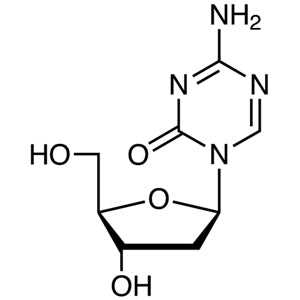
5-Aza-2'-deoxycytidine TCI A2232
Regular price From Rp 3.419.850,00Regular priceRp 2.406.600,00Sale price From Rp 3.419.850,00 -
TrichostatinA TCI T2477
Regular price From Rp 10.440.150,00Regular priceRp 7.316.400,00Sale price From Rp 10.440.150,00 -
5-Aminoimidazole-4-carboxamide1-beta-D-Ribofuranoside TCI A2528
Regular price Rp 2.597.700,00Regular priceRp 1.832.250,00Sale price Rp 2.597.700,00 -
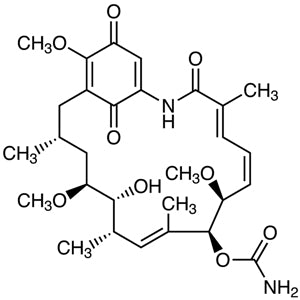
Geldanamycin TCI G0334
Regular price Rp 7.737.450,00Regular priceRp 5.426.400,00Sale price Rp 7.737.450,00 -
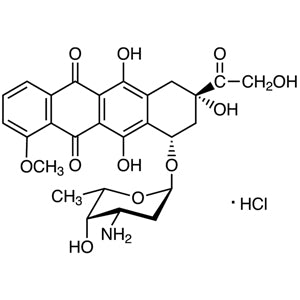
DoxorubicinHydrochloride TCI D4193
Regular price From Rp 6.095.250,00Regular priceRp 4.277.700,00Sale price From Rp 6.095.250,00 -
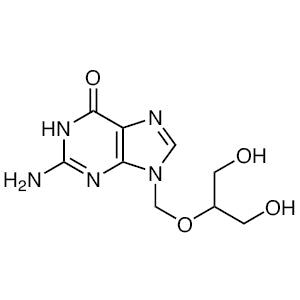
Ganciclovir TCI G0315
Regular price From Rp 3.392.550,00Regular priceRp 2.387.700,00Sale price From Rp 3.392.550,00 -
CordycepinfromCordycepsmilitaris TCI C2689
Regular price Rp 4.796.400,00Regular priceRp 3.369.450,00Sale price Rp 4.796.400,00 -
2-PropylvalericAcid TCI P0823
Regular price From Rp 1.801.800,00Regular priceRp 1.275.750,00Sale price From Rp 1.801.800,00