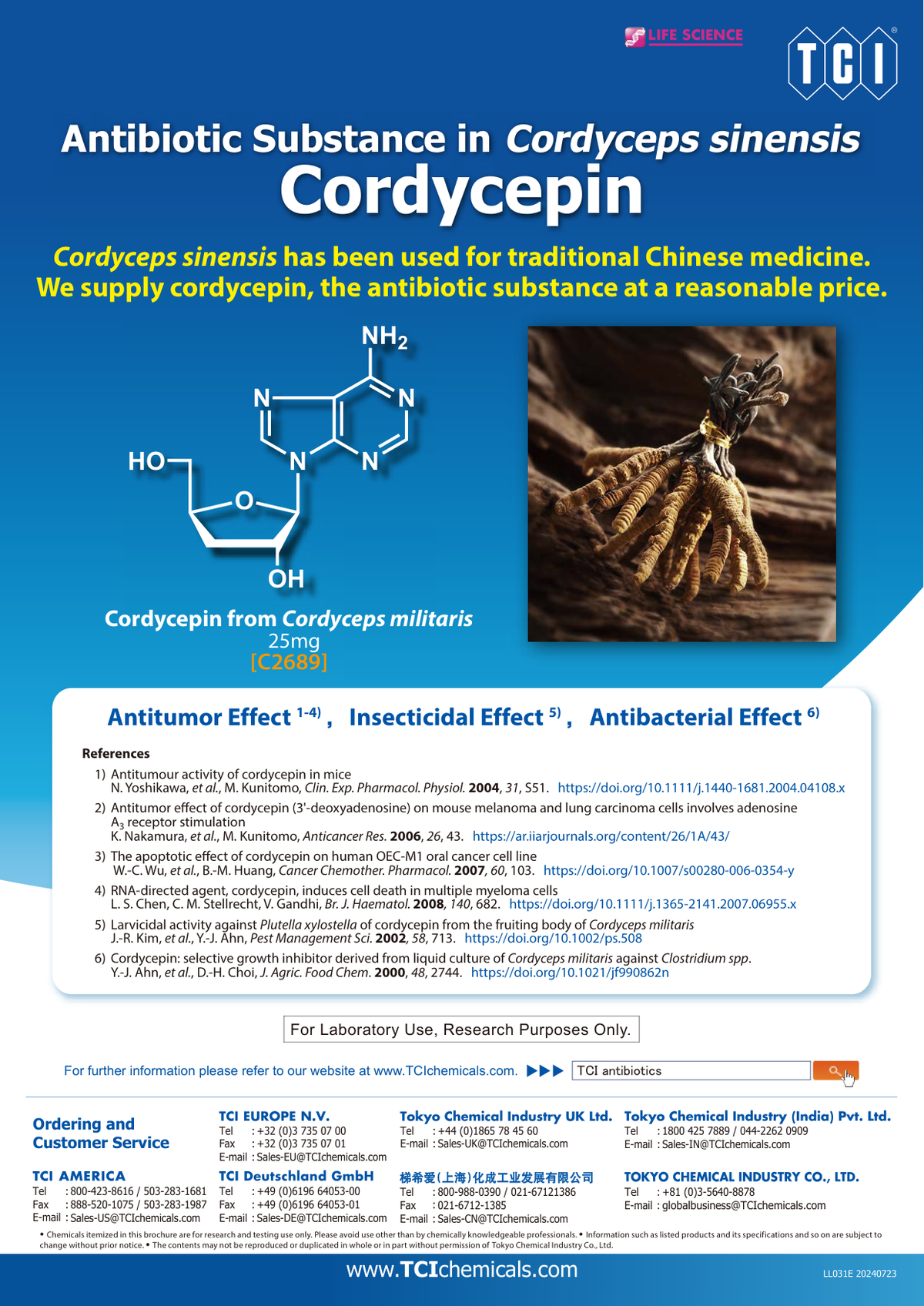
TCI C2689 Cordycepin from Cordyceps militaris (CAS 73-03-0) is a natural nucleoside first identified in Cordyceps fungi. Its structural name is 3'-deoxyadenosine: an adenosine analog that lacks the hydroxyl group at the 3' position of its sugar. In the TCI catalog it sits under Life Science, Biochemicals and Reagents, in the alkaloids subcategory. Laboratories use it as a research reagent in biochemistry and cell biology, mainly to study processes that involve nucleic acids.
Cordycepin is closely similar to adenosine but has no 3'-hydroxyl group. Because of this, it can enter biological pathways that normally use adenosine and can affect processes such as RNA synthesis. This property makes it a useful research tool for studying polyadenylation, nucleoside metabolism and cellular responses. Natural product researchers may also value that this material comes from Cordyceps militaris. The 25 mg pack size suits bioactive reagents, which are usually used in small, carefully measured amounts. Researchers can therefore work with a defined quantity that matches the scale of typical experiments.
In Indonesian laboratories, cordycepin is relevant to research groups in biochemistry, molecular biology, cell culture and natural product pharmacy that study bioactive compounds from fungi. University laboratories, research institutes and pharmaceutical development teams can use it as a reference compound or as an experimental agent in studies of nucleic acid processes. Its small pack size makes it a practical choice for exploratory work, method development and comparative studies that need only modest amounts of a well-defined nucleoside analog.
Advantages (TCI brochure)
- Antibiotic substance in Cordyceps sinensis
TCI brochures (PDF)
- Antibiotic Substance in Cordyceps sinensis Cordycepin 2024-07-23 · p. 1
- Crude Medicine Ingredients for Cancer Research 2025-02-17 · p. 1
- Traditional Medicine/Crude Medicine Research Reagents 2024-09-11 · p. 1
- Alkaloids 2025-10-10 · p. 8
- Cancer Research Reagents 2025-04-01 · p. 2
- Immunology Research Reagents 2026-06-03 · p. 10
- RNA synthesis studies: as an adenosine analog without a 3'-hydroxyl group, cordycepin lets researchers investigate how this structural change affects RNA synthesis in experimental systems.
- Polyadenylation research: its close resemblance to adenosine makes it a relevant research tool for studying polyadenylation and the related steps of RNA processing in cells.
- Nucleoside metabolism investigations: cordycepin can enter pathways that involve adenosine, so it suits studies of how cells take up, process and respond to nucleoside analogs.
- Cell culture response studies: cell biology groups can use this reagent to observe cellular responses to a defined bioactive nucleoside in controlled, small-scale culture experiments.
- Natural product pharmacy research: because it is sourced from Cordyceps militaris, it serves as a reference material for teams studying bioactive compounds derived from fungi.
From the TCI brochure
- Antitumor effect
- Insecticidal effect
- Antibacterial effect
| Brand | TCI (product code C2689) |
|---|---|
| CAS number | 73-03-0 |
| Molecular formula | — |
| Purity | — |
| Category | Life Science > Biochemicals and Reagents > Alkaloids |
| Pack sizes | 25 mg |
| Physical form | — |
| Storage | follow the conditions on the TCI label and Safety Data Sheet |
- Source: Cordyceps militaris; chemical identity 3'-deoxyadenosine
Store cordycepin under the conditions stated on the TCI product label and Safety Data Sheet. Keep it in its original, tightly closed container, protected from moisture and contamination. Because it is a bioactive research reagent, weigh it carefully in small, measured amounts and avoid repeatedly opening the main container. Prepare solutions with clean, appropriate glassware or plastic labware, and label every aliquot clearly. Wear standard laboratory protective equipment, including gloves, a lab coat and eye protection. Avoid inhaling dust or letting the material touch skin or eyes. Handle and dispose of it according to institutional safety procedures. This product is intended for research use only.
References cited in the TCI brochure
- Noriko Yoshikawa. ANTITUMOUR ACTIVITY OF CORDYCEPIN IN MICE Clinical and Experimental Pharmacology and Physiology, 2004. doi:10.1111/j.1440-1681.2004.04108.x
- Wei-Ciao Wu. The apoptotic effect of cordycepin on human OEC-M1 oral cancer cell line Cancer Chemotherapy and Pharmacology, 2006. doi:10.1007/s00280-006-0354-y
- Lisa S. Chen. RNA‐directed agent, cordycepin, induces cell death in multiple myeloma cells British Journal of Haematology, 2008. doi:10.1111/j.1365-2141.2007.06955.x
- Jun‐Ran Kim. Larvicidal activity against Plutella xylostella of cordycepin from the fruiting body of Cordyceps militaris Pest Management Science, 2002. doi:10.1002/ps.508
- Young-Joon Ahn. Cordycepin: Selective Growth Inhibitor Derived from Liquid Culture of Cordyceps militaris against Clostridium spp. Journal of Agricultural and Food Chemistry, 2000. doi:10.1021/jf990862n
Product Categories
- Biochemicals and ReagentsAlkaloidsAlkaloids (Other)
- Biochemicals and ReagentsAntibioticsAntibiotics (Chemical Structure Class)
- Biochemicals and ReagentsCrude Medicine Ingredients for Research and Experimental Use
- Biochemicals and ReagentsNucleosides, Nucleotides, OligonucleotidesNucleoside Analogs
- Biochemicals and ReagentsNucleosides, Nucleotides, OligonucleotidesNucleosides
- Biochemicals and ReagentsPharmaceutical Research Reagents (for Experimental Use)Antimicrobial Ingredients (for Research and Experimental Use)
- Biochemicals and ReagentsPharmaceutical Research Reagents (for Experimental Use)Antitumor Research Reagents (for Experimental Use)
- MicrobiologyAntibioticsAntibiotics (Chemical Structure Class)
- Pharmaceutical Development and Drug Discovery ResearchPharmaceutical Research Reagents (for Experimental Use)Antimicrobial Ingredients (for Research and Experimental Use)
- Pharmaceutical Development and Drug Discovery ResearchPharmaceutical Research Reagents (for Experimental Use)Antitumor Research Reagents (for Experimental Use)
- Pharmaceutical Development and Drug Discovery ResearchAntibioticsAntibiotics (Chemical Structure Class)
- Pharmaceutical Development and Drug Discovery ResearchCrude Medicine Ingredients for Research and Experimental Use
Produk Terkait
-
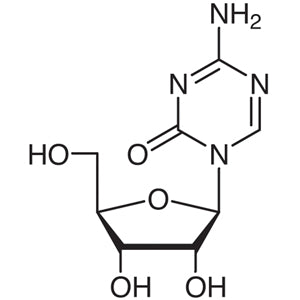
5-Azacytidine TCI A2033
Regular price From Rp 1.140.000,00Regular priceRp 792.000,00Sale price From Rp 1.140.000,00 -
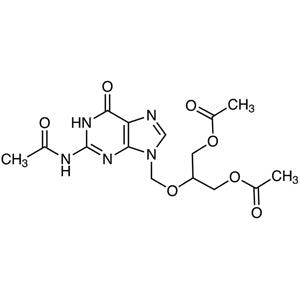
N-Acetyl-di-O-acetylganciclovir TCI A3228
Regular price Rp 1.478.000,00Regular priceRp 1.021.000,00Sale price Rp 1.478.000,00 -
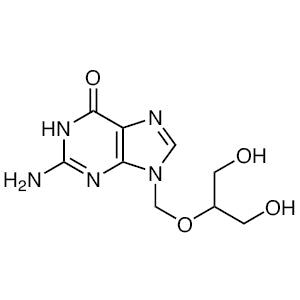
Ganciclovir TCI G0315
Regular price From Rp 3.319.000,00Regular priceRp 2.274.000,00Sale price From Rp 3.319.000,00 -
ValganciclovirHydrochloride TCI V0158
Regular price From Rp 1.582.000,00Regular priceRp 1.092.000,00Sale price From Rp 1.582.000,00 -
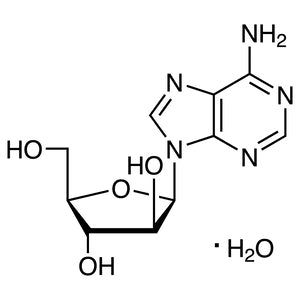
VidarabineMonohydrate TCI V0098
Regular price From Rp 3.630.000,00Regular priceRp 2.486.000,00Sale price From Rp 3.630.000,00 -
Tubercidin TCI T4110
Regular price Rp 10.322.000,00Regular priceRp 7.039.000,00Sale price Rp 10.322.000,00 -
5-Aza-2'-deoxycytidine TCI A2232
Regular price From Rp 3.345.000,00Regular priceRp 2.292.000,00Sale price From Rp 3.345.000,00 -
Ribavirin TCI R0077
Regular price From Rp 984.000,00Regular priceRp 686.000,00Sale price From Rp 984.000,00