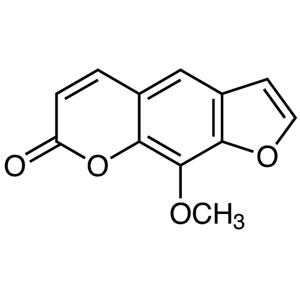
Nizatidine is a chemical compound widely used in pharmacological and biochemical research. As a histidine derivative, it exhibits antagonistic activity at H2 receptors, making it a key component in studying the effects of drugs on the gastrointestinal system. In laboratory settings, nizatidine serves as a reagent that supports the development and testing of new compounds in pharmaceutical research. Its role is critical in understanding how anti-acid medications interact with biological systems and how they affect gastrointestinal cells.
One of the main reasons nizatidine is preferred in laboratories is its high purity and chemical stability under certain conditions. These properties ensure reliable results in experiments, making it ideal for applications requiring precision and accuracy. Additionally, its non-toxic nature and ease of handling make it suitable for a wide range of research activities. This combination of stability, purity, and safety contributes to its popularity among researchers working in pharmacology and biochemistry.
In Indonesian laboratories, nizatidine is commonly used in drug research and pharmaceutical product development. It frequently appears in experiments involving pharmacological activity testing, where its ability to interact with H2 receptors is crucial. Researchers rely on nizatidine to evaluate the efficacy of anti-acid compounds and their impact on gastrointestinal function, supporting both academic and industrial research efforts.
TCI brochures (PDF)
- Pharmaceutical Ingredients for Research and Experimental Use 2026-03-09 · p. 46
- Pharmacological research involving H2 receptor antagonism due to its well-defined biochemical activity.
- Development of pharmaceutical compounds for gastrointestinal disorders as it mimics the mechanism of action of anti-ulcer drugs.
- Biochemical experiments requiring a stable and high-purity reagent for accurate and reproducible results.
- Drug interaction studies to assess how nizatidine affects other compounds in the gastrointestinal tract.
- Quality control testing in pharmaceutical laboratories to ensure consistency and reliability of drug formulations.
| Brand | TCI |
|---|---|
| CAS number | 76963-41-2 |
| Molecular formula | — |
| Purity | — |
| Category | Life Science > Biochemicals and Reagents > Pharmaceutical Research Reagents |
| Pack sizes | Available in various quantities as per standard laboratory supply specifications |
| Physical form | Solid powder (as per standard product description) |
| Storage | Store in a cool, dry place away from direct sunlight |
Nizatidine should be stored in a cool, dry environment to maintain its chemical stability and prevent degradation. It is recommended to keep it in airtight containers to avoid moisture exposure, which could affect its purity. Laboratory personnel should handle nizatidine with care, using appropriate personal protective equipment such as gloves and safety goggles. While it is non-toxic, it is still important to follow standard laboratory safety protocols to ensure safe handling and prevent any potential contamination. Proper storage and handling practices help preserve the integrity of the compound, ensuring reliable results in research applications.
—
Product Categories
Produk Terkait
-
Lansoprazole TCI L0233
Regular price From Rp 2.916.900,00Regular price -
Famotidine TCI F0530
Regular price From Rp 1.590.750,00Regular price -
Chrysazin TCI D0563
Regular price Rp 3.843.000,00Regular price -
Cimetidine TCI C1252
Regular price Rp 2.757.300,00Regular price -
IvabradineHydrochloride TCI I0847
Regular price From Rp 4.611.600,00Regular price -
L-Adrenaline TCI A0173
Regular price Rp 1.298.850,00Regular price -
Zonisamide TCI Z0026
Regular price From Rp 2.147.250,00Regular price -
Xanthotoxin TCI X0009
Regular price From Rp 505.050,00Regular price