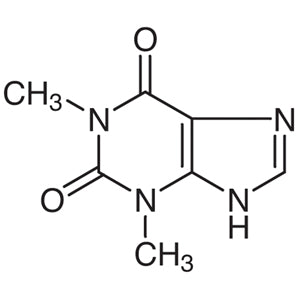
Lansoprazole is a chemical compound widely used in life science research, particularly in bio-pharmacology and biochemistry. As a proton pump inhibitor, it plays a crucial role in suppressing gastric acid secretion in the human stomach. This compound is essential for studying the mechanisms of antacid drugs and their effects on the digestive system. Its significance extends to research on gastrointestinal disorders and acid-related diseases, making it a valuable tool for scientists.
Lansoprazole is preferred due to its high purity and consistent quality, ensuring reliable results in experimental studies. Its stable chemical properties allow it to be stored under specific conditions without significant degradation. The complex molecular structure of Lansoprazole makes it a key component in enzyme studies, including enzyme inhibitors and substrates. Its reliability and performance make it a top choice for researchers requiring high-quality reagents.
In Indonesian laboratories, Lansoprazole is commonly used in pharmacology, biochemistry, and pharmaceutical research. It supports the development of new drugs, effectiveness testing, and the study of drug mechanisms. Its application in both academic and industrial research environments highlights its importance in advancing scientific understanding and medical innovation.
TCI brochures (PDF)
- Exosome Inhibitors 2025-09-05 · p. 1
- Pharmaceutical Ingredients for Research and Experimental Use 2026-03-09 · p. 46
- Used in pharmacological studies to evaluate the efficacy of proton pump inhibitors in treating acid-related disorders.
- Applied in biochemical research to investigate the mechanism of action of H+/K+-ATPase inhibitors and their impact on gastric acid secretion.
- Utilized in drug development to test the effectiveness of new compounds in suppressing gastric acid production.
- Employed in enzyme studies to understand the interaction between Lansoprazole and various enzyme substrates.
- Integrated into gastrointestinal research to explore the role of proton pump inhibitors in managing peptic ulcers and GERD.
| Brand | TCI |
|---|---|
| CAS number | 103577-45-3 |
| Molecular formula | — |
| Purity | — |
| Category | Life Science > Biochemicals and Reagents > Enzymes, Enzyme Inhibitors, Enzyme Substrates |
| Pack sizes | Available in various quantities as per supplier specifications |
| Physical form | Solid powder |
| Storage | Store in a cool, dry place away from light and moisture |
Lansoprazole should be stored in a cool, dry place, away from direct light and moisture. It is recommended to use airtight containers to prevent exposure to humidity and contaminants. Due to its chemical stability, it does not require refrigeration but should be protected from extreme temperatures. In laboratory settings, proper ventilation is essential when handling the compound to ensure safety. Always use appropriate personal protective equipment, such as gloves and safety goggles, to minimize exposure. Regular monitoring of storage conditions ensures the compound remains effective for research purposes.
References cited in the TCI brochure
- Jong Hyun Kim. Dissecting exosome inhibitors: therapeutic insights into small-molecule chemicals against cancer Experimental & Molecular Medicine, 2022. doi:10.1038/s12276-022-00898-7
Product Categories
- Biochemicals and ReagentsEnzymes, Enzyme Inhibitors, Enzyme SubstratesEnzyme Inhibitors [Biochemicals and Reagents]
- Biochemicals and ReagentsPharmaceutical Research Reagents (for Experimental Use)Pharmaceutical Research Reagents (Others)
- Biochemicals and Reagents
- Cell BiologyExosome ResearchExosome Inhibitors
- Pharmaceutical Development and Drug Discovery ResearchPharmaceutical Research Reagents (for Experimental Use)Pharmaceutical Research Reagents (Others)
Produk Terkait
-
Indomethacin TCI I0655
Regular price From Rp 1.538.250,00Regular price -
VardenafilHydrochlorideTrihydrate TCI V0174
Regular price Rp 1.776.600,00Regular price -
Tadalafil TCI T4029
Regular price Rp 7.129.500,00Regular price -
Brinzolamide TCI B4258
Regular price From Rp 2.677.500,00Regular price -
TetraethylthiuramDisulfide TCI B0479
Regular price From Rp 505.050,00Regular price -
Avanafil TCI A3476
Regular price From Rp 1.749.300,00Regular price -
Adapalene TCI A2549
Regular price From Rp 2.227.050,00Regular price -
Theophylline TCI T0179
Regular price From Rp 505.050,00Regular price