Brinzolamide is a chemical compound widely used in scientific research, particularly in the fields of biochemistry and pharmacology. As an inhibitor of carbonic anhydrase, it plays a crucial role in understanding enzyme mechanisms and their physiological effects within the human body. In laboratory settings, Brinzolamide serves as a key reagent for drug development and medical research, enabling scientists to explore enzyme inhibition pathways and their therapeutic implications. Its chemical stability and ability to interact with various enzymatic substrates make it a valuable tool in biochemical studies.
Brinzolamide is preferred for its chemical stability and solubility in organic solvents, which facilitate its use in a wide range of experimental applications. Its ability to interact with enzymatic substrates with high precision makes it ideal for studies requiring controlled chemical reactions. Additionally, its solubility characteristics allow for easy incorporation into various experimental protocols, enhancing reproducibility and accuracy in research. These properties make Brinzolamide a reliable and versatile compound for both academic and industrial research environments.
In Indonesian laboratories, Brinzolamide is commonly used in research related to ophthalmic treatments, especially in the development of glaucoma medications. It is also applied in studies focused on the mechanisms of carbonic anhydrase and its impact on human health. Due to its effectiveness in enzyme inhibition, it is a preferred choice for drug development and therapeutic research in the region.
TCI brochures (PDF)
- Thiophenes 2026-06-29 · p. 13
- Pharmaceutical Ingredients for Research and Experimental Use 2026-03-09 · p. 43
- Drug development for ophthalmic conditions like glaucoma due to its ability to inhibit carbonic anhydrase, which is linked to intraocular pressure regulation.
- Enzyme inhibition studies to understand the physiological and pathological roles of carbonic anhydrase in human health.
- Biochemical research involving enzyme-substrate interactions, where precise inhibition is required for accurate experimental results.
- Pharmaceutical formulation testing to assess the solubility and stability of compounds in organic solvents.
- Medical research focused on the therapeutic potential of carbonic anhydrase inhibitors in treating various diseases.
| Brand | TCI |
|---|---|
| CAS number | 138890-62-7 |
| Molecular formula | — |
| Purity | — |
| Category | Life Science > Biochemicals and Reagents > Enzymes, Enzyme Inhibitors, Enzyme Substrates |
| Pack sizes | As per standard supplier packaging |
| Physical form | Solid (as per standard product description) |
| Storage | Store in a cool, dry place away from direct sunlight |
Brinzolamide should be stored in a cool, dry place away from direct sunlight to maintain its chemical stability. It is recommended to use airtight containers to prevent moisture absorption, which could affect its solubility and reactivity. In laboratory settings, it is important to handle the compound with appropriate personal protective equipment, such as gloves and safety goggles, to ensure safety during handling. Due to its potential reactivity with certain substrates, it should be stored separately from incompatible materials. Proper labeling and storage conditions are essential to maintain the integrity of the compound and ensure safe usage in research applications.
—
Product Categories
- Biochemicals and ReagentsEnzymes, Enzyme Inhibitors, Enzyme SubstratesEnzyme Inhibitors [Biochemicals and Reagents]
- Biochemicals and ReagentsPharmaceutical Research Reagents (for Experimental Use)Pharmaceutical Research Reagents (Others)
- Biochemicals and Reagents
- Pharmaceutical Development and Drug Discovery ResearchPharmaceutical Research Reagents (for Experimental Use)Pharmaceutical Research Reagents (Others)
Produk Terkait
-
DorzolamideHydrochloride TCI D4189
Regular price Rp 5.274.150,00Regular priceRp 3.703.350,00Sale price Rp 5.274.150,00 -
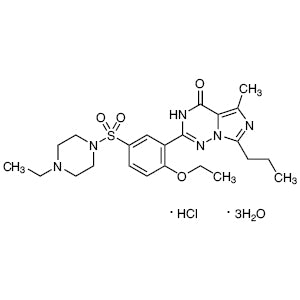
VardenafilHydrochlorideTrihydrate TCI V0174
Regular price Rp 1.829.100,00Regular priceRp 1.294.650,00Sale price Rp 1.829.100,00 -
Tadalafil TCI T4029
Regular price Rp 7.182.000,00Regular priceRp 5.037.900,00Sale price Rp 7.182.000,00 -
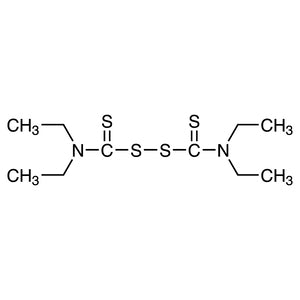
TetraethylthiuramDisulfide TCI B0479
Regular price From Rp 557.550,00Regular priceRp 405.300,00Sale price From Rp 557.550,00 -
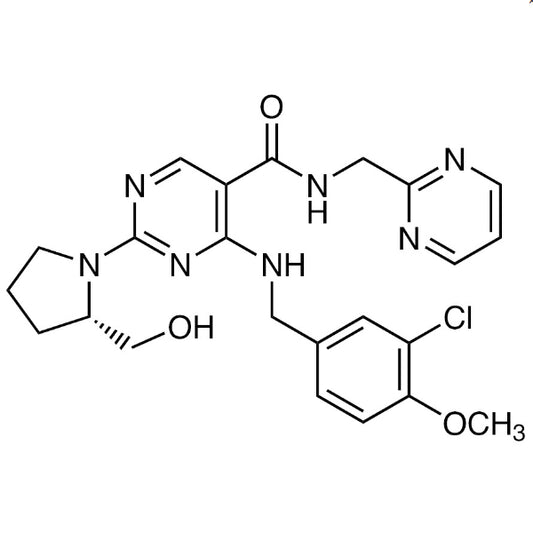
Avanafil TCI A3476
Regular price From Rp 1.801.800,00Regular priceRp 1.275.750,00Sale price From Rp 1.801.800,00 -
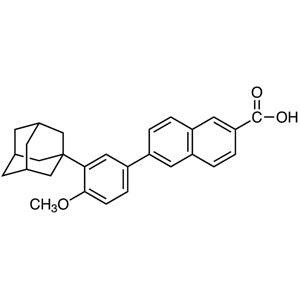
Adapalene TCI A2549
Regular price From Rp 2.279.550,00Regular priceRp 1.609.650,00Sale price From Rp 2.279.550,00 -
Theophylline TCI T0179
Regular price From Rp 557.550,00Regular priceRp 405.300,00Sale price From Rp 557.550,00 -
SildenafilCitrate TCI S0986
Regular price From Rp 769.650,00Regular priceRp 553.350,00Sale price From Rp 769.650,00