Adapalene is a chemical compound classified as a retinoid, playing a significant role in biochemical research and laboratory applications. It functions as an enzyme inhibitor, allowing researchers to modulate enzymatic activity with precision. This property makes it a valuable tool in studying metabolic pathways and enzyme-substrate interactions. Adapalene is widely used in molecular biology, pharmacology, and drug mechanism studies, contributing to the development of new therapeutic strategies. Its versatility supports a broad range of experimental approaches in both academic and industrial research settings.
Adapalene is chemically stable under specific conditions, though it is sensitive to light and moisture. These characteristics necessitate careful handling to maintain its integrity and effectiveness. Its solid form facilitates easy incorporation into various experimental protocols, making it a practical choice for laboratory use. The compound’s stability and reactivity profile make it a preferred option for researchers aiming to achieve consistent and reliable results in their experiments.
In Indonesian laboratories, Adapalene is commonly used in applied research to investigate enzyme interactions and biochemical processes. Its relevance spans across biochemistry, pharmacy, and public health research, supporting the advancement of scientific knowledge and drug development. As a key reagent, Adapalene is essential for laboratories focused on scientific research and pharmaceutical innovation.
TCI brochures (PDF)
- Pharmaceutical Ingredients for Research and Experimental Use 2026-03-09 · p. 42
- Molecular biology research utilizes Adapalene to study enzyme inhibition and substrate interactions in metabolic pathways.
- Pharmacological studies benefit from Adapalene’s ability to modulate enzyme activity, aiding in drug mechanism analysis and development.
- Drug discovery programs incorporate Adapalene to explore its potential as a therapeutic agent in treating skin conditions and inflammatory disorders.
- Biochemical experiments rely on Adapalene to control enzymatic reactions and assess the effects of inhibitors on metabolic processes.
- Public health research employs Adapalene to investigate its role in skin biology and its potential applications in dermatological treatments.
| Brand | TCI |
|---|---|
| CAS number | 106685-40-9 |
| Molecular formula | — |
| Purity | — |
| Category | Life Science > Biochemicals and Reagents > Enzymes, Enzyme Inhibitors, Enzyme Substrates |
| Pack sizes | — |
| Physical form | Solid |
| Storage | Requires protection from light and moisture |
Adapalene should be stored in a cool, dry place away from direct light and moisture to maintain its chemical stability. It is recommended to use airtight containers to prevent exposure to humidity and contaminants. Researchers should handle the compound with care to avoid degradation, which can affect experimental outcomes. Proper labeling of storage containers is essential for safety and traceability. In laboratory settings, it is advisable to use gloves and appropriate safety equipment when handling Adapalene to ensure a safe working environment. Regular monitoring of storage conditions helps preserve the compound’s integrity and ensures its effectiveness in research applications.
—
Product Categories
- Biochemicals and ReagentsEnzymes, Enzyme Inhibitors, Enzyme SubstratesEnzyme Inhibitors [Biochemicals and Reagents]
- Biochemicals and ReagentsPharmaceutical Research Reagents (for Experimental Use)Pharmaceutical Research Reagents (Others)
- Biochemicals and Reagents
- Pharmaceutical Development and Drug Discovery ResearchPharmaceutical Research Reagents (for Experimental Use)Pharmaceutical Research Reagents (Others)
Produk Terkait
-
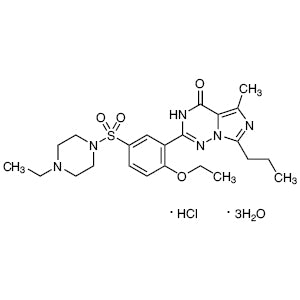
VardenafilHydrochlorideTrihydrate TCI V0174
Regular price Rp 1.829.100,00Regular priceRp 1.294.650,00Sale price Rp 1.829.100,00 -
Tadalafil TCI T4029
Regular price Rp 7.182.000,00Regular priceRp 5.037.900,00Sale price Rp 7.182.000,00 -
Brinzolamide TCI B4258
Regular price From Rp 2.730.000,00Regular priceRp 1.924.650,00Sale price From Rp 2.730.000,00 -
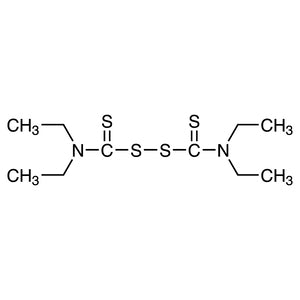
TetraethylthiuramDisulfide TCI B0479
Regular price From Rp 557.550,00Regular priceRp 405.300,00Sale price From Rp 557.550,00 -
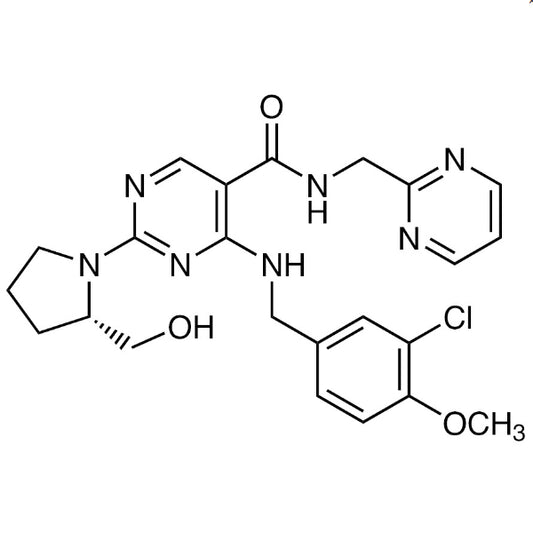
Avanafil TCI A3476
Regular price From Rp 1.801.800,00Regular priceRp 1.275.750,00Sale price From Rp 1.801.800,00 -
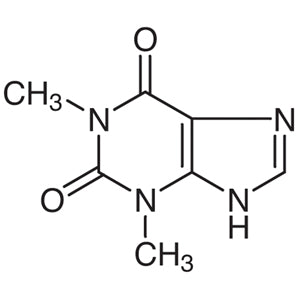
Theophylline TCI T0179
Regular price From Rp 557.550,00Regular priceRp 405.300,00Sale price From Rp 557.550,00 -
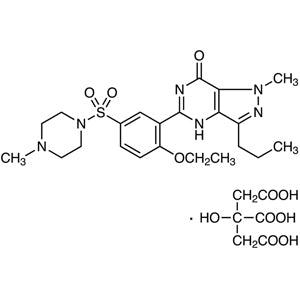
SildenafilCitrate TCI S0986
Regular price From Rp 769.650,00Regular priceRp 553.350,00Sale price From Rp 769.650,00 -
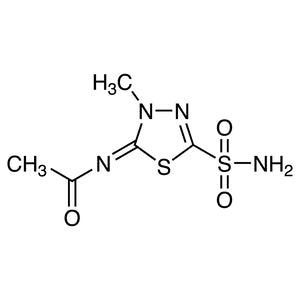
Methazolamide TCI M3772
Regular price Rp 3.683.400,00Regular priceRp 2.591.400,00Sale price Rp 3.683.400,00