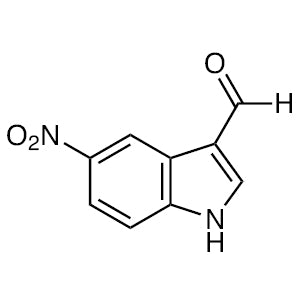
5-Nitro-1H-indole-3-carbaldehyde is a chemical compound widely used as a building block in the synthesis of complex heterocyclic compounds. Its unique molecular structure, featuring an indole ring with a nitro group and a carbaldehyde functional group, makes it a valuable reagent in organic chemistry. This compound plays a crucial role in the development of new molecules, particularly in pharmaceutical and medicinal chemistry research. Its versatility allows it to participate in various chemical reactions, including reduction, substitution, and condensation, making it a key component in the creation of bioactive compounds.
The compound's chemical properties, including its reactivity and stability under controlled conditions, make it a preferred choice for researchers. It exhibits high reactivity in synthetic processes, enabling the formation of a wide range of derivatives. Its ability to undergo multiple chemical transformations enhances its utility in laboratory settings. The presence of both nitro and aldehyde groups contributes to its functional versatility, allowing it to be tailored for specific applications in drug discovery and chemical synthesis.
In Indonesian laboratories, 5-Nitro-1H-indole-3-carbaldehyde is commonly used in pharmaceutical and organic chemistry research. Its role in the development of bioactive compounds makes it a sought-after material among researchers and students. Due to its structural complexity and reactivity, it is frequently employed in studies aimed at creating new therapeutic agents and chemical compounds with specific biological activities.
Related TCI products
- Pharmaceutical research utilizes this compound for the synthesis of bioactive molecules due to its reactivity and structural versatility.
- Organic chemistry experiments benefit from its ability to participate in various chemical reactions, including condensation and substitution.
- Drug discovery projects often incorporate this compound to develop new therapeutic agents with targeted biological activities.
- Academic research in Indonesian universities uses it as a key reagent in the study of heterocyclic compounds and their derivatives.
- Industrial chemical synthesis processes rely on its stability and reactivity to produce complex organic molecules efficiently.
| Brand | TCI |
|---|---|
| CAS number | 6625-96-3 |
| Molecular formula | — |
| Purity | — |
| Category | Chemistry > Building Blocks > Heterocyclic Building Blocks |
| Pack sizes | Available in various quantities as per standard laboratory supply |
| Physical form | Solid |
| Storage | Store in a cool, dry place away from light and moisture |
This compound should be stored in a cool, dry environment to maintain its chemical stability. It is recommended to keep it in a tightly sealed container to prevent exposure to moisture and air. Due to its reactivity, it should be handled in a well-ventilated area, preferably under a fume hood. Avoid contact with high temperatures and direct sunlight to prevent degradation. Proper personal protective equipment, such as gloves and safety goggles, should be worn during handling to ensure laboratory safety. Regular monitoring of storage conditions is essential to maintain the integrity of the compound.
—
Produk Terkait
-
5-Nitro-1H-indole-2-carboxylicAcid TCI N1036
Regular price Rp 4.133.850,00Regular price -
1-Methyl-1H-indole-3-carbaldehyde TCI M1520
Regular price From Rp 1.326.150,00Regular price -
1H-Indole-7-carbaldehyde TCI I0701
Regular price From Rp 1.670.550,00Regular price -
Thiophene-2,5-dicarbaldehyde TCI T2480
Regular price From Rp 1.644.300,00Regular price -
1,3-Benzothiazole-2-carbaldehyde TCI B5403
Regular price From Rp 1.458.450,00Regular price -
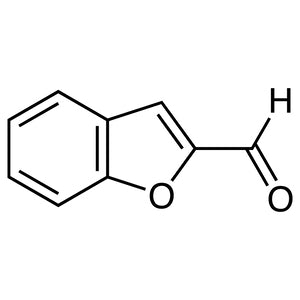
Benzofuran-2-carbaldehyde TCI B5282
Regular price From Rp 1.193.850,00Regular price -
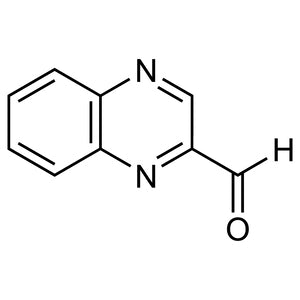
Quinoxaline-2-carbaldehyde TCI Q0121
Regular price From Rp 875.700,00Regular price -
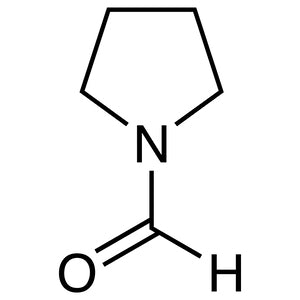
Pyrrolidine-1-carbaldehyde TCI P2934
Regular price From Rp 1.803.900,00Regular price