


Pyrrolidine-1-carbaldehyde from TCI, also known as N-formylpyrrolidine, is a simple amide made of a pyrrolidine ring with a formyl group on its nitrogen atom. It is a heterocyclic building block widely used in organic synthesis laboratories. Like other formyl amides such as DMF, it acts as a source of the formyl group in formylation reactions. It also serves as a starting material for pyrrolidine derivatives, and as a polar solvent or additive under certain reaction conditions.
Chemists choose this compound because it combines the reactivity of a formamide group with a pyrrolidine scaffold, a ring system often found in bioactive molecules. In Vilsmeier-type reactions, formamides like this one can be activated with a chlorinating reagent to transfer a formyl group to electron-rich aromatic substrates. The compound can also react with organometallic reagents to give aldehydes. Because it is polar, it can dissolve a wide range of organic compounds, which makes it useful both as a reagent and as a reaction medium.
In Indonesian laboratories, Pyrrolidine-1-carbaldehyde is useful in university research groups, pharmaceutical and fine-chemical development labs, and synthesis teams that make heterocyclic intermediates. The 5g and 25g pack sizes suit laboratory-scale synthesis, whether for screening reaction conditions or preparing intermediates. Researchers can use it to explore formylation routes, build pyrrolidine-containing target molecules, or compare formyl donors in method development work without having to buy large bulk quantities.
Related TCI products
- TCI T2480 932-95-6 Thiophene-2,5-dicarbaldehyde
- TCI B5403 6639-57-2 1,3-Benzothiazole-2-carbaldehyde
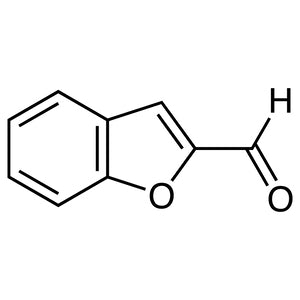
- TCI B5282 4265-16-1 Benzofuran-2-carbaldehyde
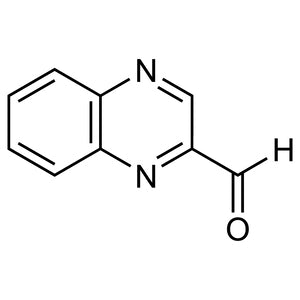
- TCI Q0121 1593-08-4 Quinoxaline-2-carbaldehyde
- TCI N1044 6625-96-3 5-Nitro-1H-indole-3-carbaldehyde
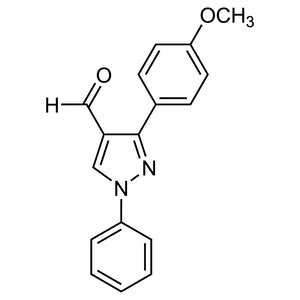
- TCI M3803 36640-42-3 3-(4-Methoxyphenyl)-1-phenyl-1H-pyrazole-4-carbaldehyde
- Vilsmeier-type formylation: once activated with a chlorinating reagent, this formamide transfers a formyl group to electron-rich aromatic substrates, which makes it a practical alternative to DMF.
- Aldehyde synthesis with organometallic reagents: it reacts with organometallic reagents to deliver a formyl group, giving a direct route from organometallic intermediates to the matching aldehydes.
- Preparing pyrrolidine derivatives: as a starting material that already contains the pyrrolidine ring, it lets chemists build pyrrolidine-based compounds without having to construct the heterocycle first.
- Polar solvent or reaction additive: its polar character lets it dissolve many organic compounds, so it can serve as a solvent or additive under certain reaction conditions.
- Medicinal chemistry building block: the pyrrolidine scaffold is common in bioactive molecules, so this compound is a relevant building block for research on drug-like heterocyclic structures.
| Brand | TCI (product code P2934) |
|---|---|
| CAS number | 3760-54-1 |
| Molecular formula | — |
| Purity | — |
| Category | Chemistry > Building Blocks > Heterocyclic Building Blocks |
| Pack sizes | 5g and 25g |
| Physical form | see the manufacturer's product documentation |
| Storage | follow the conditions on the TCI label and Safety Data Sheet |
Store Pyrrolidine-1-carbaldehyde in its original, tightly closed container in a cool, dry, well-ventilated area, away from heat sources, direct sunlight, and incompatible materials such as strong oxidizing agents. After each use, reseal the container promptly to limit contact with moisture and air. Handle the compound in a fume hood and wear suitable personal protective equipment, including chemical-resistant gloves, safety glasses, and a lab coat. Avoid inhalation and contact with skin and eyes. Before use, always check the TCI Safety Data Sheet for specific hazard information, storage temperature, and disposal requirements, and dispose of waste according to local regulations.
—
Produk Terkait
-
Thiophene-2,5-dicarbaldehyde TCI T2480
Regular price From Rp 1.644.300,00Regular price -
1,3-Benzothiazole-2-carbaldehyde TCI B5403
Regular price From Rp 1.458.450,00Regular price -
Benzofuran-2-carbaldehyde TCI B5282
Regular price From Rp 1.193.850,00Regular price -
Quinoxaline-2-carbaldehyde TCI Q0121
Regular price From Rp 875.700,00Regular price -
5-Nitro-1H-indole-3-carbaldehyde TCI N1044
Regular price Rp 4.240.950,00Regular price -
3-(4-Methoxyphenyl)-1-phenyl-1H-pyrazole-4-carbaldehyde TCI M3803
Regular price From Rp 1.353.450,00Regular price -
4-Methylpiperazine-1-carbaldehyde TCI M3738
Regular price From Rp 1.644.300,00Regular price -
1-Methyl-1H-benzo[d]imidazole-2-carbaldehyde TCI M3687
Regular price From Rp 1.565.550,00Regular price




![3012-80-4 1-Methyl-1H-benzo[d]imidazole-2-carbaldehyde - AMI Scientific](http://amiscientific.com/cdn/shop/files/TCI2510M3687.jpg?v=1767128661&width=533)