4-(1-Naphthyl)-3,5-diphenyl-1,2,4-triazole is a chemical compound widely used in organic chemistry reactions. It belongs to the category of heterocyclic building blocks, making it a versatile reagent in synthetic chemistry. This compound is particularly valuable for its ability to participate in various chemical transformations, including substitution and cyclization reactions. Its unique molecular structure, featuring a triazole ring with three nitrogen atoms, contributes to its reactivity and stability, making it a key player in the development of complex organic molecules.
The compound’s chemical properties, such as its controlled reactivity and structural stability, make it a preferred choice for researchers. Its ability to form new bonds with different functional groups enhances its utility in synthetic pathways. Additionally, its compatibility with a wide range of reagents allows for greater flexibility in experimental design. These characteristics make it an essential component in the toolkit of organic chemists working in both academic and industrial settings.
In Indonesian laboratories, this compound is highly relevant for research in organic chemistry, pharmaceuticals, and material science. Its application in the synthesis of bioactive compounds, such as pharmaceuticals and agrochemicals, supports scientific innovation. Researchers in Indonesia rely on this compound to advance their studies and develop new compounds with potential therapeutic or industrial applications.
TCI brochures (PDF)
- Organic Light-Emitting Diode (OLED) Materials 2026-08-18 · p. 3
Related TCI products
- TCI D2757 905-62-4 2,5-Di(1-naphthyl)-1,3,4-oxadiazole
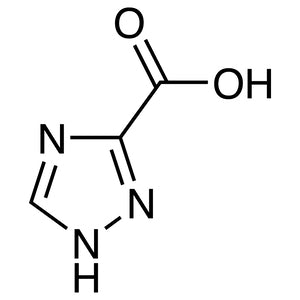
- TCI T3824 4928-87-4 1H-1,2,4-Triazole-3-carboxylic Acid
- TCI T2402 3641-08-5 1,2,4-Triazole-3-carboxamide
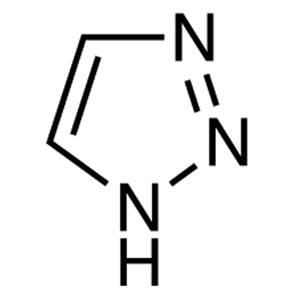
- TCI T1880 288-36-8 1H-1,2,3-Triazole
- TCI A1462 45534-08-5 3-Amino-5-methylthio-1H-1,2,4-triazole
- TCI A1455 16691-43-3 3-Amino-5-mercapto-1,2,4-triazole
- Organic Synthesis: This compound is ideal for synthesizing complex organic molecules due to its reactivity and structural versatility.
- Pharmaceutical Research: It is used in the development of bioactive compounds, including potential drug candidates, due to its chemical stability.
- Material Science: Its unique molecular structure makes it suitable for creating advanced materials with specific functional properties.
- Catalytic Reactions: The compound’s ability to participate in substitution and cyclization reactions makes it a valuable catalyst in synthetic processes.
- Functional Group Modification: Its capacity to form new bonds with various functional groups supports the modification of existing compounds in synthetic pathways.
| Brand | TCI |
|---|---|
| CAS number | 16152-10-6 |
| Molecular formula | — |
| Purity | — |
| Category | Chemistry > Building Blocks > Heterocyclic Building Blocks |
| Pack sizes | Available in standard laboratory quantities |
| Physical form | Solid |
| Storage | Store in a cool, dry place away from direct light |
This compound should be stored in a cool, dry environment, away from direct sunlight to maintain its chemical integrity. It is recommended to use airtight containers to prevent moisture absorption, which could affect its stability. Due to its chemical nature, it should be handled with appropriate personal protective equipment, such as gloves and safety goggles, to ensure laboratory safety. Proper ventilation is also advised when working with this compound to minimize exposure. It is important to keep the compound in a secure location, away from incompatible substances to prevent any potential chemical interactions. Regular monitoring of storage conditions ensures the compound remains effective for its intended applications.
—
Produk Terkait
-
2,5-Di(1-naphthyl)-1,3,4-oxadiazole TCI D2757
Regular price Rp 3.127.950,00Regular price -
1H-1,2,4-Triazole-3-carboxylicAcid TCI T3824
Regular price From Rp 2.942.100,00Regular price -
1,2,4-Triazole-3-carboxamide TCI T2402
Regular price From Rp 2.094.750,00Regular price -
1H-1,2,3-Triazole TCI T1880
Regular price From Rp 2.625.000,00Regular price -
3-Amino-5-methylthio-1H-1,2,4-triazole TCI A1462
Regular price From Rp 689.850,00Regular price -
3-Amino-5-mercapto-1,2,4-triazole TCI A1455
Regular price From Rp 980.700,00Regular price -
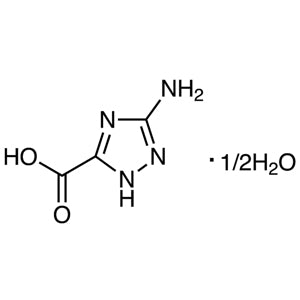
3-Amino-1,2,4-triazole-5-carboxylicAcidHemihydrate TCI A1256
Regular price Rp 2.491.650,00Regular price -
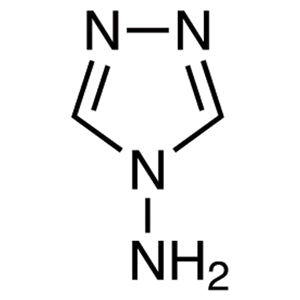
4-Amino-1,2,4-triazole TCI A1137
Regular price From Rp 1.405.950,00Regular price