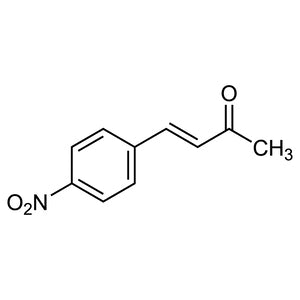
(E)-4-(4-Nitrophenyl)but-3-en-2-one is a chemical compound widely used as a foundational building block in organic synthesis. It plays a crucial role in laboratories by enabling the construction of complex molecular structures through various chemical reactions. This compound is particularly valuable in synthetic chemistry due to its reactivity and versatility in participating in different reaction mechanisms. Its presence in the research toolkit allows scientists to explore new chemical pathways and develop novel compounds with specific functional groups.
The compound's unique molecular structure, featuring a nitrophenyl group attached to a butenone chain, makes it a preferred choice for chemists. It exhibits good solubility in organic solvents such as ethyl acetate and chloroform, which facilitates its use in a wide range of experimental setups. Additionally, its chemical stability under controlled conditions ensures reliable performance in laboratory environments. The reactivity of (E)-4-(4-Nitrophenyl)but-3-en-2-one allows it to engage in both electrophilic and nucleophilic reactions, making it adaptable to various synthetic strategies.
In Indonesian laboratories, this compound is extensively used in research focused on organic synthesis and chemical innovation. Its role in creating complex molecules supports advancements in pharmaceutical, materials science, and environmental chemistry. The compound's availability and reliability make it a key component in the chemical research landscape of Indonesia, contributing to the development of new compounds and scientific discoveries.
Related TCI products
- Organic synthesis reactions benefit from this compound’s reactivity and structural versatility, enabling the creation of complex molecules with high precision.
- Diels-Alder reactions utilize its conjugated double bond system, making it an essential component in the formation of cycloadducts.
- Substitution reactions leverage its nitrophenyl group, allowing for the introduction of functional groups in target molecules.
- Analytical chemistry experiments use it as a reference standard for spectral analysis and chromatographic studies.
- Materials science research employs it in the development of new polymers and functional materials through controlled chemical modifications.
| Brand | TCI |
|---|---|
| CAS number | 30625-98-0 |
| Molecular formula | — |
| Purity | — |
| Category | Chemistry > Building Blocks > Non-Heterocyclic Building Blocks |
| Pack sizes | Available in various quantities as per standard laboratory supply |
| Physical form | Liquid |
| Storage | Store in a cool, dry place away from light and incompatible materials |
(E)-4-(4-Nitrophenyl)but-3-en-2-one should be stored in a cool, dry environment, away from direct sunlight and sources of heat. It is recommended to keep the compound in a tightly sealed container to prevent exposure to air and moisture. Due to its reactivity, it should be handled in a well-ventilated area, preferably under a fume hood. Avoid contact with incompatible substances such as strong oxidizers or acids. Proper personal protective equipment, including gloves and safety goggles, should be worn during handling to ensure laboratory safety. The compound is not classified as hazardous under standard storage conditions but should still be treated with care to maintain its integrity and effectiveness in chemical reactions.
—
Produk Terkait
-
4-NitrophenylButyrate TCI N1316
Regular price From Rp 1.988.700,00Regular price -
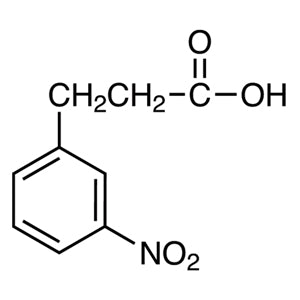
3-(3-Nitrophenyl)propionicAcid TCI N0960
Regular price From Rp 2.306.850,00Regular price -
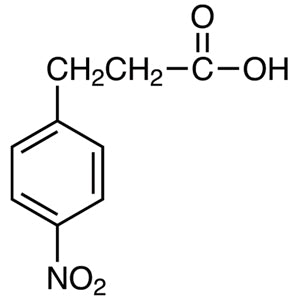
3-(4-Nitrophenyl)propionicAcid TCI N0944
Regular price Rp 1.458.450,00Regular price -
4-NitrophenylLaurate TCI L0100
Regular price From Rp 769.650,00Regular price -
4-NitrophenylHexanoate TCI H0484
Regular price From Rp 2.862.300,00Regular price -
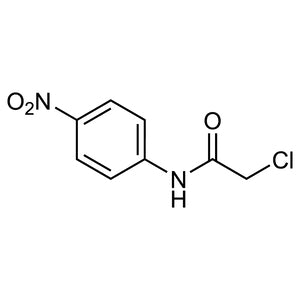
2-Chloro-N-(4-nitrophenyl)acetamide TCI C3966
Regular price Rp 2.174.550,00Regular price -
4-NitrophenylAcetate TCI A0040
Regular price From Rp 3.896.550,00Regular price -
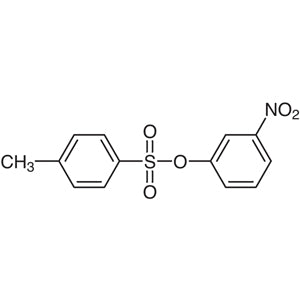
3-Nitrophenylp-Toluenesulfonate TCI T1210
Regular price Rp 4.611.600,00Regular price