3-(4-Nitrophenyl)propionic Acid is a chemical compound widely used in synthetic chemistry applications. It serves as a versatile building block in the development of heterocyclic compounds and acid derivatives. This material plays a crucial role in organic research, particularly in the synthesis of bioactive compounds. Its chemical structure allows for easy modification, making it a valuable tool for creating molecules with specific functional properties. Due to its reactivity and compatibility with various functional groups, it is frequently used in laboratory settings for complex chemical transformations.
The compound's polar nature and ability to form hydrogen bonds make it suitable for reactions in polar solvents such as ethyl acetate or acetone. Its stability under controlled conditions ensures consistent results in synthetic processes. These properties make it a preferred choice for researchers seeking reliable and predictable outcomes in their experiments. The compound’s chemical versatility and reactivity contribute to its widespread use in both academic and industrial research environments.
In Indonesian laboratories, 3-(4-Nitrophenyl)propionic Acid is commonly used in organic chemistry research, especially in projects related to the synthesis of pharmacological compounds and industrial chemicals. Many educational and research institutions in Indonesia rely on this compound for its reliability and effectiveness in chemical synthesis. Its availability and performance make it a key component in various research programs aimed at developing new chemical products and understanding molecular behavior.
Related TCI products
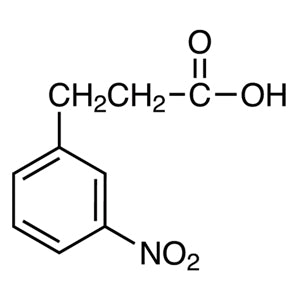
- TCI N0960 1664-57-9 3-(3-Nitrophenyl)propionic Acid
- TCI N1316 2635-84-9 4-Nitrophenyl Butyrate
- TCI N1263 30625-98-0 (E)-4-(4-Nitrophenyl)but-3-en-2-one
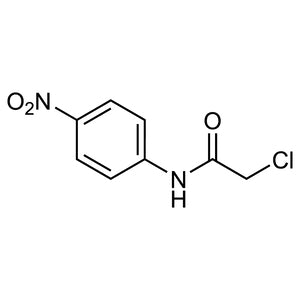
- TCI C3966 17329-87-2 2-Chloro-N-(4-nitrophenyl)acetamide
- TCI T2797 1505-50-6 3-(p-Tolyl)propionic Acid
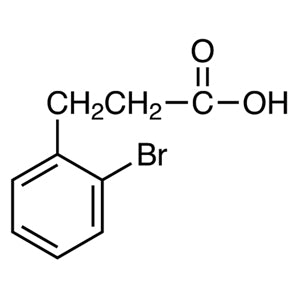
- TCI B4409 15115-58-9 3-(2-Bromophenyl)propionic Acid
- Organic synthesis of heterocyclic compounds due to its reactivity and structural adaptability.
- Development of pharmacological agents through modification of its molecular framework.
- Preparation of acid derivatives for use in industrial chemical processes.
- Research in bioactive molecule synthesis due to its compatibility with functional group reactions.
- Support for academic studies in chemical structure modification and reaction mechanisms.
| Brand | TCI |
|---|---|
| CAS number | 16642-79-8 |
| Molecular formula | — |
| Purity | — |
| Category | Chemistry > Building Blocks > Non-Heterocyclic Building Blocks |
| Pack sizes | Available in various quantities as per standard laboratory supply |
| Physical form | Solid |
| Storage | Store in a cool, dry place away from direct sunlight |
This compound should be stored in a cool, dry environment to maintain its stability and prevent degradation. It is recommended to use airtight containers to protect it from moisture and air exposure. Due to its reactivity, it should be handled in a well-ventilated laboratory setting to minimize potential hazards. Avoid contact with incompatible substances such as strong bases or oxidizing agents. Proper personal protective equipment, including gloves and safety goggles, should always be worn when handling this material. The compound is generally safe when stored and used according to standard laboratory protocols.
—
Produk Terkait
-
3-(3-Nitrophenyl)propionicAcid TCI N0960
Regular price From Rp 2.359.350,00Regular priceRp 1.665.300,00Sale price From Rp 2.359.350,00 -
4-NitrophenylButyrate TCI N1316
Regular price From Rp 1.988.700,00Regular priceRp 1.390.200,00Sale price From Rp 1.988.700,00 -
(E)-4-(4-Nitrophenyl)but-3-en-2-one TCI N1263
Regular price From Rp 2.041.200,00Regular priceRp 1.442.700,00Sale price From Rp 2.041.200,00 -
2-Chloro-N-(4-nitrophenyl)acetamide TCI C3966
Regular price Rp 2.227.050,00Regular priceRp 1.572.900,00Sale price Rp 2.227.050,00 -
3-(p-Tolyl)propionicAcid TCI T2797
Regular price From Rp 2.411.850,00Regular priceRp 1.702.050,00Sale price From Rp 2.411.850,00 -
3-(2-Bromophenyl)propionicAcid TCI B4409
Regular price From Rp 1.140.300,00Regular priceRp 812.700,00Sale price From Rp 1.140.300,00