3-(2-Bromophenyl)propionic Acid is a chemical compound widely used as a foundational building block in the synthesis of complex organic compounds. Its versatility makes it a key component in various laboratory processes, enabling the development of new molecules across multiple scientific fields. This compound is particularly valuable in organic chemistry due to its ability to participate in a wide range of reactions, including substitution, esterification, and electrophilic reactions. Its role as a building block is essential for the creation of functional molecules, such as pharmaceuticals, industrial chemicals, and specialized compounds.
The compound's reactivity and structural flexibility make it a preferred choice for chemists seeking to modify molecular structures efficiently. Its ability to react with various reagents under specific conditions allows for the synthesis of a broad spectrum of derivatives. Additionally, its stability under controlled laboratory conditions ensures consistent performance and ease of handling. These properties contribute to its widespread use in both academic and industrial research settings.
In Indonesian laboratories, 3-(2-Bromophenyl)propionic Acid is commonly utilized in organic chemistry research, especially in pharmaceutical and chemical industries. It is a fundamental reagent in experiments requiring the synthesis of complex molecules with modifiable structures. Its availability and reliability make it a trusted material for researchers aiming to advance chemical innovation and discovery.
Related TCI products
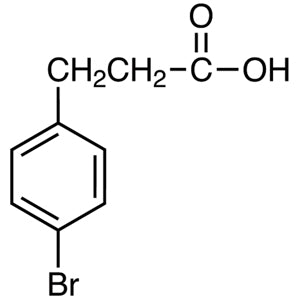
- TCI B3753 1643-30-7 3-(4-Bromophenyl)propionic Acid
- TCI T2797 1505-50-6 3-(p-Tolyl)propionic Acid
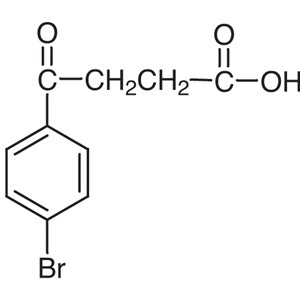
- TCI B3129 6340-79-0 3-(4-Bromobenzoyl)propionic Acid
- TCI B2101 111128-12-2 2-[4-(Bromomethyl)phenyl]propionic Acid
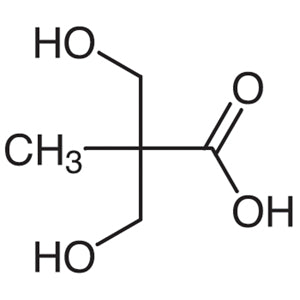
- TCI B1192 4767-03-7 2,2-Bis(hydroxymethyl)propionic Acid
- TCI P0513 123-62-6 Propionic Anhydride
- Organic synthesis applications benefit from this compound's reactivity and structural flexibility, enabling the creation of complex molecules with high efficiency.
- Pharmaceutical research utilizes it as a key building block for the development of new drug compounds through various synthetic pathways.
- Industrial chemical production relies on its stability and versatility for the synthesis of functional materials and specialty chemicals.
- Academic research in chemistry often incorporates it to explore new reaction mechanisms and molecular modifications.
- Functional compound development leverages its ability to participate in diverse chemical reactions, supporting the design of specialized molecular structures.
| Brand | TCI |
|---|---|
| CAS number | 15115-58-9 |
| Molecular formula | — |
| Purity | — |
| Category | Chemistry > Building Blocks > Non-Heterocyclic Building Blocks |
| Pack sizes | Available in various quantities as per standard laboratory supply |
| Physical form | Solid |
| Storage | Store in a cool, dry place away from light and moisture |
This compound should be stored in a cool, dry environment, away from direct light and moisture to maintain its stability and reactivity. It is recommended to use airtight containers to prevent exposure to air and humidity, which could affect its chemical integrity. In laboratory settings, proper personal protective equipment should be worn when handling the material to ensure safety. The compound is generally stable under standard storage conditions, making it suitable for routine use in chemical synthesis. It is important to keep the material in a secure location to prevent accidental exposure or contamination. Regular monitoring of storage conditions ensures optimal performance and safety during experimental procedures.
—
Produk Terkait
-
3-(4-Bromophenyl)propionicAcid TCI B3753
Regular price From Rp 530.250,00Regular priceRp 386.400,00Sale price From Rp 530.250,00 -
3-(p-Tolyl)propionicAcid TCI T2797
Regular price From Rp 2.411.850,00Regular priceRp 1.702.050,00Sale price From Rp 2.411.850,00 -
3-(4-Bromobenzoyl)propionicAcid TCI B3129
Regular price Rp 1.881.600,00Regular priceRp 1.331.400,00Sale price Rp 1.881.600,00 -
2-[4-(Bromomethyl)phenyl]propionicAcid TCI B2101
Regular price From Rp 557.550,00Regular priceRp 405.300,00Sale price From Rp 557.550,00 -
2,2-Bis(hydroxymethyl)propionicAcid TCI B1192
Regular price From Rp 582.750,00Regular priceRp 423.150,00Sale price From Rp 582.750,00 -
PropionicAnhydride TCI P0513
Regular price Rp 557.550,00Regular priceRp 405.300,00Sale price Rp 557.550,00 -
PropionicAcid TCI P0500
Regular price From Rp 505.050,00Regular priceRp 368.550,00Sale price From Rp 505.050,00