3-(4-Bromophenyl)propionic Acid is a chemical compound widely used as a building block in the synthesis of complex organic compounds. It plays a crucial role in various laboratory applications, particularly in organic chemistry research. This compound is commonly employed in substitution reactions, esterification processes, and catalytic reactions, making it an essential reagent for chemists. Its versatility and reactivity make it a valuable tool in the development of new compounds, including pharmaceuticals, industrial chemicals, and heterocyclic structures.
The compound is known for its stable chemical properties under controlled conditions, which ensures consistent performance in laboratory settings. Its solubility in organic solvents facilitates efficient separation and isolation techniques, simplifying purification processes. Additionally, its molecular structure allows for easy interaction with a variety of reagents, enhancing its utility in synthetic pathways. These characteristics make it a preferred choice for researchers aiming to explore chemical reactivity and develop new materials.
In Indonesian laboratories, 3-(4-Bromophenyl)propionic Acid is extensively used in organic chemistry research, especially in pharmaceutical and complex compound synthesis. Educational and research institutions rely on this compound to expand their understanding of organic reactivity and industrial applications. Its availability and reliability make it a standard component in many laboratory workflows across Indonesia.
Related TCI products
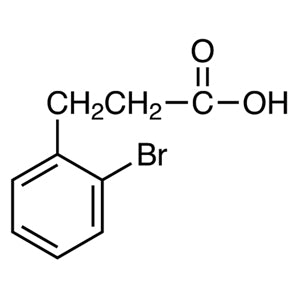
- TCI B4409 15115-58-9 3-(2-Bromophenyl)propionic Acid
- TCI T2797 1505-50-6 3-(p-Tolyl)propionic Acid
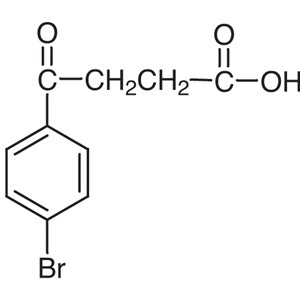
- TCI B3129 6340-79-0 3-(4-Bromobenzoyl)propionic Acid
- TCI B2101 111128-12-2 2-[4-(Bromomethyl)phenyl]propionic Acid
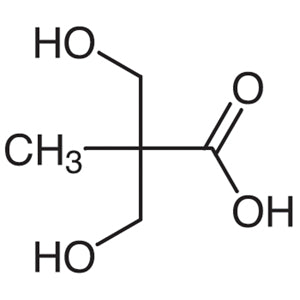
- TCI B1192 4767-03-7 2,2-Bis(hydroxymethyl)propionic Acid
- TCI P0513 123-62-6 Propionic Anhydride
- Organic synthesis applications benefit from this compound's reactivity and versatility in forming complex molecular structures.
- Pharmaceutical research utilizes it as a key intermediate in the development of new drug molecules and therapeutic agents.
- Industrial chemical production relies on its stability and solubility for efficient synthesis and purification processes.
- Heterocyclic compound synthesis leverages its molecular structure to create a wide range of functional chemical derivatives.
- Educational institutions use it to teach and demonstrate fundamental principles of organic chemistry and reaction mechanisms.
| Brand | TCI |
|---|---|
| CAS number | 1643-30-7 |
| Molecular formula | — |
| Purity | — |
| Category | Chemistry > Building Blocks > Non-Heterocyclic Building Blocks |
| Pack sizes | Available in various quantities as per standard laboratory requirements |
| Physical form | Solid |
| Storage | Store in a cool, dry place away from direct sunlight and moisture |
This compound should be stored in a cool, dry environment to maintain its chemical stability. It is recommended to use airtight containers to prevent moisture absorption and contamination. Due to its reactivity, it should be handled in a well-ventilated area, preferably under a fume hood, to minimize exposure. Avoid contact with incompatible substances such as strong bases or oxidizing agents. Proper personal protective equipment, including gloves and safety goggles, should be worn during handling. Regular monitoring of storage conditions ensures the compound remains suitable for use in laboratory applications.
—
Produk Terkait
-
3-(2-Bromophenyl)propionicAcid TCI B4409
Regular price From Rp 1.140.300,00Regular priceRp 812.700,00Sale price From Rp 1.140.300,00 -
3-(p-Tolyl)propionicAcid TCI T2797
Regular price From Rp 2.411.850,00Regular priceRp 1.702.050,00Sale price From Rp 2.411.850,00 -
3-(4-Bromobenzoyl)propionicAcid TCI B3129
Regular price Rp 1.881.600,00Regular priceRp 1.331.400,00Sale price Rp 1.881.600,00 -
2-[4-(Bromomethyl)phenyl]propionicAcid TCI B2101
Regular price From Rp 557.550,00Regular priceRp 405.300,00Sale price From Rp 557.550,00 -
2,2-Bis(hydroxymethyl)propionicAcid TCI B1192
Regular price From Rp 582.750,00Regular priceRp 423.150,00Sale price From Rp 582.750,00 -
PropionicAnhydride TCI P0513
Regular price Rp 557.550,00Regular priceRp 405.300,00Sale price Rp 557.550,00 -
PropionicAcid TCI P0500
Regular price From Rp 505.050,00Regular priceRp 368.550,00Sale price From Rp 505.050,00