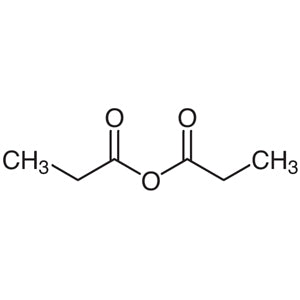
Propionic Anhydride (123-62-6) is a chemical compound widely utilized in various chemical reactions, particularly in the synthesis of organic compounds. It serves as a key reagent in the formation of esters and amides through esterification and amidation reactions. In laboratory settings, this compound plays a crucial role in the development of compounds with applications in pharmaceuticals, food industry, and other chemical sectors. Its high reactivity makes it an essential tool for researchers aiming to achieve efficient and rapid chemical transformations.
The chemical properties of Propionic Anhydride make it a preferred choice for laboratory applications. It is highly reactive, which allows it to participate in a wide range of chemical processes under catalytic or high-temperature conditions. This reactivity ensures that it can be effectively used in complex synthetic pathways. Additionally, its ability to form esters and amides makes it versatile for different types of organic synthesis. These characteristics make it a valuable reagent for both academic and industrial research.
In Indonesian laboratories, Propionic Anhydride is commonly used in organic chemistry research, especially in the synthesis of ester and amide compounds. It is also frequently found in pharmaceutical and chemical laboratories, where it serves as a raw material for the production of drugs and food additives. Its application is essential in the development of new chemical products and processes within the scientific community.
- Ester Synthesis in Pharmaceutical Research: Propionic Anhydride is ideal for producing ester compounds used as active pharmaceutical ingredients due to its reactivity and efficiency in esterification reactions.
- Amide Formation for Industrial Applications: It is widely used in the synthesis of amides, which are essential in various industrial processes, including the production of polymers and coatings.
- Organic Chemistry Research in Academic Institutions: Its role in creating ester and amide compounds makes it a staple in academic laboratories for teaching and research purposes.
- Food Additive Production in Chemical Industries: It is used as a precursor in the manufacture of food additives, contributing to flavor and preservation in food products.
- Catalytic Reactions Under High-Temperature Conditions: Its high reactivity allows it to be used in reactions that require elevated temperatures or catalysts for enhanced efficiency.
| Brand | TCI |
|---|---|
| CAS number | 123-62-6 |
| Molecular formula | — |
| Purity | — |
| Category | Chemistry > Building Blocks > Non-Heterocyclic Building Blocks |
| Pack sizes | Available in various quantities as per supplier specifications |
| Physical form | Liquid |
| Storage | Store in a cool, dry place away from moisture and incompatible materials |
Propionic Anhydride should be stored in a cool, dry place, away from moisture and incompatible substances. It is recommended to use appropriate containers that are resistant to chemical corrosion, such as glass or high-density polyethylene. Due to its corrosive and toxic nature, it should be handled with care, using appropriate personal protective equipment. It is essential to ensure proper ventilation in the laboratory when working with this compound. Always follow standard safety protocols to minimize exposure and prevent accidents. Regular monitoring of storage conditions is crucial to maintain the integrity and safety of the compound.
—
Produk Terkait
-
3-(p-Tolyl)propionicAcid TCI T2797
Regular price From Rp 2.359.350,00Regular price -
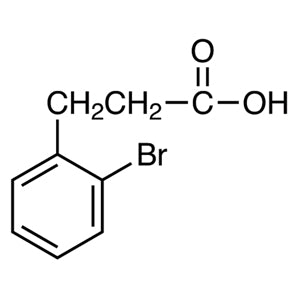
3-(2-Bromophenyl)propionicAcid TCI B4409
Regular price From Rp 1.087.800,00Regular price -
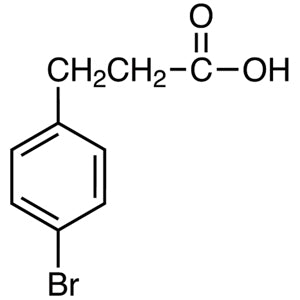
3-(4-Bromophenyl)propionicAcid TCI B3753
Regular price From Rp 477.750,00Regular price -
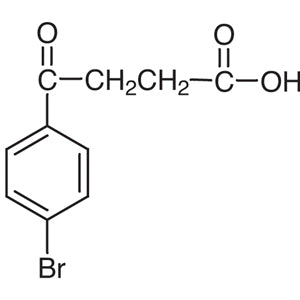
3-(4-Bromobenzoyl)propionicAcid TCI B3129
Regular price Rp 1.829.100,00Regular price -
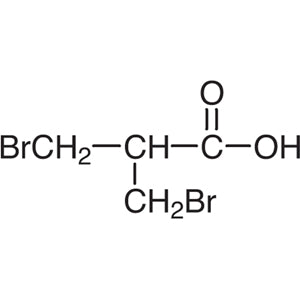
3-Bromo-2-(bromomethyl)propionicAcid TCI B3081
Regular price From Rp 1.510.950,00Regular price -
2-[4-(Bromomethyl)phenyl]propionicAcid TCI B2101
Regular price From Rp 505.050,00Regular price -
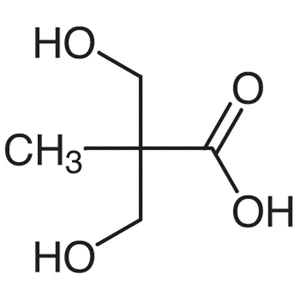
2,2-Bis(hydroxymethyl)propionicAcid TCI B1192
Regular price From Rp 530.250,00Regular price -
PropionicAcid TCI P0500
Regular price From Rp 452.550,00Regular price

![111128-12-2 2-[4-(Bromomethyl)phenyl]propionic Acid - AMI Scientific](http://amiscientific.com/cdn/shop/files/TCI2510B2101_3164fa18-db8c-41f7-9c31-4bf45a41bebb.jpg?v=1767335146&width=533)