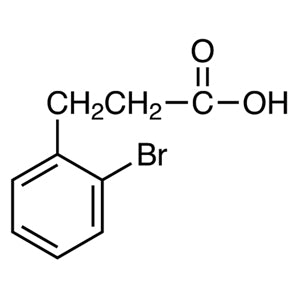
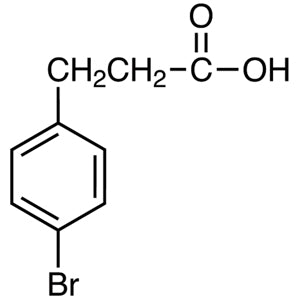
3-(4-Bromobenzoyl)propionic Acid is a versatile organic compound widely used in laboratory settings for its reactivity and utility in chemical synthesis. As a building block, it plays a crucial role in the development of complex molecules, particularly in the synthesis of heterocyclic compounds and carboxylic acid derivatives. Its presence in various research fields, including organic chemistry, pharmacology, and materials science, highlights its importance in modern scientific investigations. This compound is a key component in the design of molecules with specific biological or physical properties, making it an essential tool for researchers.
The compound’s unique structure, featuring a bromo group on the aromatic ring and an active carboxylic acid group, contributes to its reactivity. These functional groups enable it to participate in a variety of chemical reactions, such as substitution, esterification, and other bond-forming processes. Its chemical stability and reactivity make it a preferred choice for synthesizing compounds with precise structural and functional characteristics. The ability to modify its structure through chemical reactions further enhances its applicability in diverse research areas.
In Indonesian laboratories, 3-(4-Bromobenzoyl)propionic Acid is commonly used in academic and industrial research settings. It supports the development of new compounds in universities, research institutions, and biotechnology companies. Its role in creating compounds with specific properties makes it a valuable resource for advancing scientific knowledge and innovation in the region.
- Organic synthesis is a primary application where this compound is used to create complex molecules with specific functional groups.
- Pharmaceutical research benefits from its ability to form derivatives with biological activity, aiding in drug development.
- Materials science applications leverage its reactivity to develop new polymers and functional materials.
- Academic research in chemistry and pharmacology utilizes it as a building block for molecular design and modification.
- Biotechnology companies use it in the synthesis of compounds for bioactive applications and industrial processes.
| Brand | TCI |
|---|---|
| CAS number | 6340-79-0 |
| Molecular formula | — |
| Purity | — |
| Category | Chemistry > Building Blocks > Non-Heterocyclic Building Blocks |
| Pack sizes | Available in various quantities as per standard laboratory supply |
| Physical form | Solid powder |
| Storage | Store in a cool, dry place away from light and moisture |
This compound should be stored in a cool, dry environment, away from direct light and moisture to maintain its chemical integrity. It is recommended to use airtight containers to prevent exposure to air and humidity, which may affect its stability. Due to its reactivity, it should be handled with appropriate personal protective equipment, such as gloves and safety goggles, to ensure laboratory safety. The compound is not classified as hazardous under standard conditions, but standard laboratory safety protocols should be followed when working with reactive organic compounds. Proper labeling and storage practices help minimize risks and ensure safe handling in research environments.
—
Produk Terkait
-
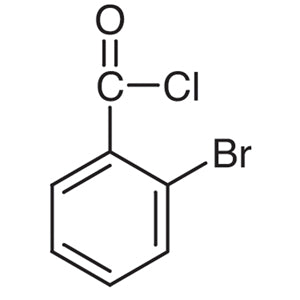
2-BromobenzoylChloride TCI B1238
Regular price From Rp 2.411.850,00Regular priceRp 1.702.050,00Sale price From Rp 2.411.850,00 -
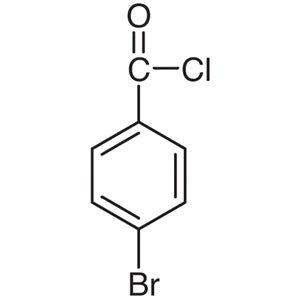
4-BromobenzoylChloride TCI B0558
Regular price From Rp 2.147.250,00Regular priceRp 1.517.250,00Sale price From Rp 2.147.250,00 -
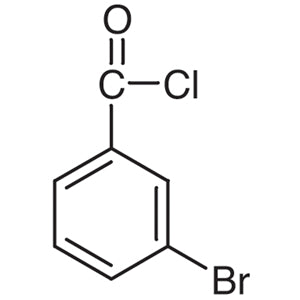
3-BromobenzoylChloride TCI B0557
Regular price From Rp 980.700,00Regular priceRp 701.400,00Sale price From Rp 980.700,00 -
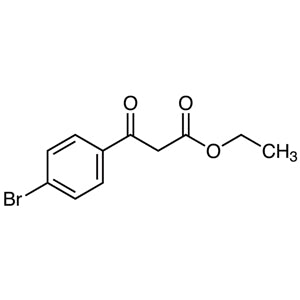
Ethyl(4-Bromobenzoyl)acetate TCI E1117
Regular price From Rp 2.411.850,00Regular priceRp 1.702.050,00Sale price From Rp 2.411.850,00 -
3-(p-Tolyl)propionicAcid TCI T2797
Regular price From Rp 2.411.850,00Regular priceRp 1.702.050,00Sale price From Rp 2.411.850,00 -
3-(2-Bromophenyl)propionicAcid TCI B4409
Regular price From Rp 1.140.300,00Regular priceRp 812.700,00Sale price From Rp 1.140.300,00 -
3-(4-Bromophenyl)propionicAcid TCI B3753
Regular price From Rp 530.250,00Regular priceRp 386.400,00Sale price From Rp 530.250,00