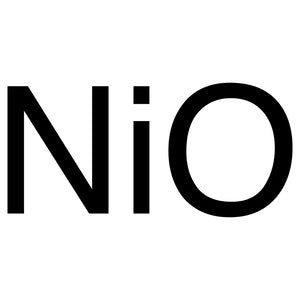
Nickel(II) Oxide (NiO), with the CAS number 1313-99-1, is an inorganic compound commonly used in chemical reactions and catalytic processes. As a metallic salt, it plays a crucial role in laboratory settings by acting as a catalyst in oxidation and reduction reactions. Its stable crystalline structure allows it to remain inert during these processes, making it an ideal choice for applications where chemical stability is essential. In the laboratory, NiO is often employed to accelerate chemical reactions without becoming part of the final product, contributing to the efficiency of various experimental procedures.
One of the key properties that make NiO a preferred choice is its chemical inertness towards most acids and bases. This stability ensures that it does not react unpredictably in diverse experimental conditions, providing a reliable and consistent performance. Additionally, NiO has a high melting point, which allows it to maintain its structural integrity under high-temperature conditions. These characteristics make it suitable for use in a wide range of laboratory applications, particularly in environments where chemical stability and thermal resistance are required.
In Indonesian laboratories, Nickel(II) Oxide is widely utilized in analytical chemistry, catalysis, and material research. Its unique green color also makes it a useful indicator in certain chemical reactions. As a versatile and stable compound, NiO supports various scientific investigations, contributing to the advancement of chemical and material sciences in the region.
TCI brochures (PDF)
- Metallic Salts 2025-11-06 · p. 6
- Transition Metal Catalysts 2026-04-10 · p. 11
Related TCI products
- Catalytic reactions in oxidation and reduction processes benefit from NiO’s stability and inertness, allowing it to act as an efficient catalyst without participating in the final reaction products.
- In material synthesis, NiO is used as a precursor to create new compounds, leveraging its chemical stability and thermal resistance for high-temperature applications.
- For analytical chemistry, NiO serves as a reagent in qualitative and quantitative analysis due to its predictable chemical behavior and inert nature.
- In the preparation of other inorganic compounds, NiO functions as a reactant or catalyst, contributing to the synthesis of complex chemical structures.
- As an indicator in specific chemical reactions, NiO’s green color provides visual confirmation of reaction progress, enhancing the accuracy of experimental observations.
| Brand | TCI |
|---|---|
| CAS number | 1313-99-1 |
| Molecular formula | — |
| Purity | — |
| Category | Chemistry > Catalysis and Inorganic Chemistry > Metallic Salts |
| Pack sizes | Available in standard laboratory quantities as per supplier specifications |
| Physical form | Powder |
| Storage | Store in a cool, dry place away from moisture and direct sunlight |
Nickel(II) Oxide should be stored in a cool, dry environment to maintain its chemical stability and prevent degradation. It is recommended to use airtight containers to protect it from moisture and humidity, which could affect its performance in chemical reactions. As a powder, NiO should be handled with care to avoid inhalation or skin contact, and appropriate personal protective equipment should be worn when working with it. In laboratory settings, it is important to ensure that NiO is stored separately from reactive materials to prevent unintended chemical interactions. Regular inspection of storage conditions is advised to maintain the integrity of the compound for reliable use in experiments.
—
Produk Terkait
-
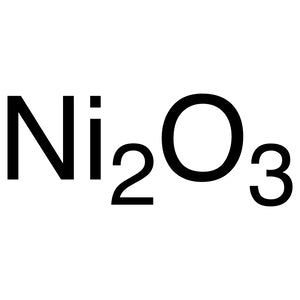
Nickel(III)OxideBlack TCI N1291
Regular price From Rp 2.121.000,00Regular price -
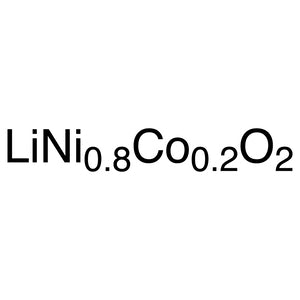
LithiumNickelCobaltOxide(LiNi08Co02O2) TCI L0415
Regular price From Rp 1.829.100,00Regular price -
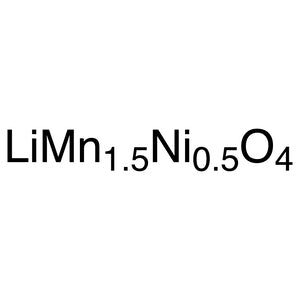
LithiumManganeseNickelOxide(LiMn15Ni05O4) TCI L0391
Regular price From Rp 3.155.250,00Regular price -
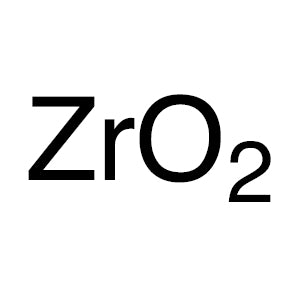
Zirconium(IV)Oxide TCI Z0049
Regular price From Rp 848.400,00Regular price -
Ytterbium(III)Oxide TCI Y0008
Regular price From Rp 505.050,00Regular price -
Yttrium(III)Oxide TCI Y0007
Regular price From Rp 955.500,00Regular price -
Vanadium(IV)Oxide TCI V0177
Regular price From Rp 1.803.900,00Regular price -
Vanadium(III)Oxide TCI V0170
Regular price From Rp 1.167.600,00Regular price