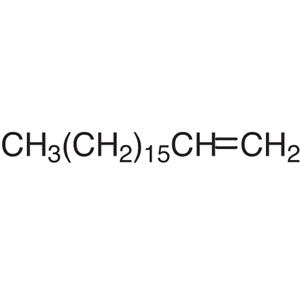
1-Octadecene is a straight-chain alkene with 18 carbon atoms and a double bond at the end of the chain, which makes it an alpha-olefin. Laboratories know it best as a high-boiling solvent for synthesizing nanocrystals and quantum dots. It is also a building block for functional derivatives, which are made through reactions at its terminal double bond. This TCI product has an important role in nanomaterials research, polymer chemistry and surface modification work, where both its solvent behaviour and its reactivity are useful.
Researchers choose 1-octadecene mainly because it combines a high boiling point, a non-coordinating character and good thermal stability. In hot-injection synthesis, this solvent lets reactions run at high temperatures without disturbing the ligands bound to the nanocrystal surface. The terminal double bond is also reactive toward hydrosilylation, hydroboration and epoxidation, and it can be copolymerized with other olefins. The material is a liquid at room temperature, so it is easy to measure and transfer. TCI's consistent quality helps make nanoparticle synthesis results more reproducible from batch to batch.
In Indonesia, 1-octadecene is relevant to nanotechnology and functional materials laboratories at universities and national research institutions. These groups work on quantum dots, magnetic nanoparticles and related advanced materials. Research teams in materials science, chemistry and physics departments use it as a standard reaction medium for colloidal synthesis. Polymer and surface chemistry groups also value it as a reactive olefin for making modified materials and functionalized surfaces.
TCI brochures (PDF)
- Colloidal Quantum Dot (QD) Research Reagents 2026-05-21 · p. 12
Related TCI products
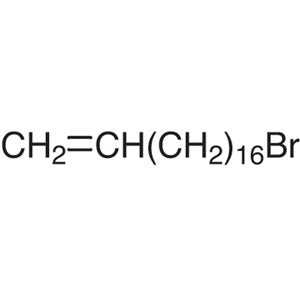
- TCI B2816 172656-11-0 18-Bromo-1-octadecene
- TCI S0348 112-88-9 1-Octadecene [Standard Material for GC]
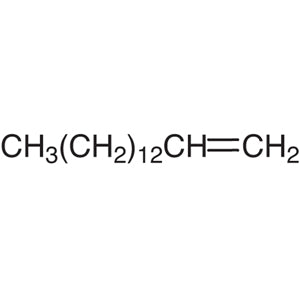
- TCI P0627 13360-61-7 1-Pentadecene
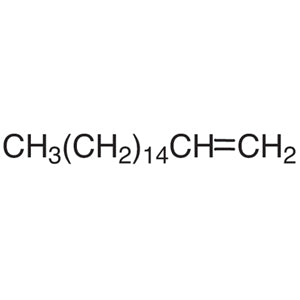
- TCI H0372 6765-39-5 1-Heptadecene
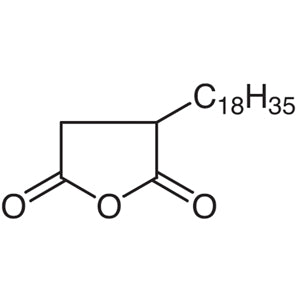
- TCI O0013 28777-98-2 Octadecenylsuccinic Anhydride (mixture of isomers)
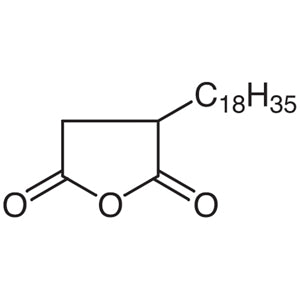
- TCI I0237 58239-72-8 Isooctadecenylsuccinic Anhydride (mixture of branched chain isomers)
- Quantum dot synthesis: 1-octadecene is a high-boiling, non-coordinating solvent, so hot-injection reactions can run at high temperatures without interfering with the surface ligands that control nanocrystal growth.
- Magnetic nanoparticle preparation: its thermal stability and liquid form make it a practical reaction medium for high-temperature colloidal synthesis of magnetic nanoparticles in materials research laboratories.
- Hydrosilylation and hydroboration: the reactive terminal double bond gives a clean point of attachment for silicon or boron groups, which makes the compound a useful building block for functional derivatives.
- Epoxidation to functional intermediates: the terminal alkene can be converted into an epoxide, giving researchers a long-chain reactive intermediate for further synthetic transformations and surface chemistry studies.
- Olefin copolymerization: as an alpha-olefin, 1-octadecene can be copolymerized with other olefins, which lets polymer chemists add long side chains that change material properties.
| Brand | TCI (product code O0008) |
|---|---|
| CAS number | 112-88-9 |
| Molecular formula | — |
| Purity | — |
| Category | Chemistry > Building Blocks > Non-Heterocyclic Building Blocks |
| Pack sizes | see the available TCI pack options on the product listing |
| Physical form | liquid at room temperature |
| Storage | keep tightly closed in a cool, dry, well-ventilated place |
Store 1-octadecene in its original tightly sealed container. Keep it in a cool, dry and well-ventilated area, away from heat sources, open flames and strong oxidizing agents. Glass or other chemically compatible containers with secure closures work well for smaller working portions. Close containers promptly after use to limit exposure to air and moisture. Handle the material in a well-ventilated area or a fume hood, especially when heating it for high-temperature synthesis. Wear standard laboratory protective equipment, including safety glasses, gloves and a lab coat. Follow the Safety Data Sheet supplied with the product, and dispose of waste according to local regulations and institutional laboratory procedures.
—
Produk Terkait
-
18-Bromo-1-octadecene TCI B2816
Regular price From Rp 5.592.300,00Regular priceRp 3.910.200,00Sale price From Rp 5.592.300,00 -
1-Octadecene[StandardMaterialforGC] TCI S0348
Regular price Rp 1.220.100,00Regular priceRp 852.600,00Sale price Rp 1.220.100,00 -
1-Pentadecene TCI P0627
Regular price From Rp 1.936.200,00Regular priceRp 1.353.450,00Sale price From Rp 1.936.200,00 -
1-Heptadecene TCI H0372
Regular price Rp 1.829.100,00Regular priceRp 1.278.900,00Sale price Rp 1.829.100,00 -
OctadecenylsuccinicAnhydride(mixtureofisomers) TCI O0013
Regular price From Rp 1.140.300,00Regular priceRp 812.700,00Sale price From Rp 1.140.300,00 -
IsooctadecenylsuccinicAnhydride(mixtureofbranchedchainisomers) TCI I0237
Regular price From Rp 1.431.150,00Regular priceRp 1.016.400,00Sale price From Rp 1.431.150,00 -
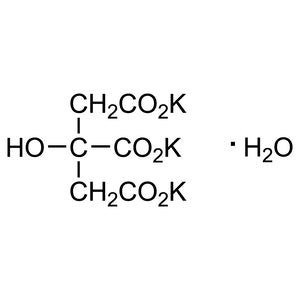
TripotassiumCitrateMonohydrate TCI T4391
Regular price From Rp 452.550,00Regular priceRp 316.050,00Sale price From Rp 452.550,00 -
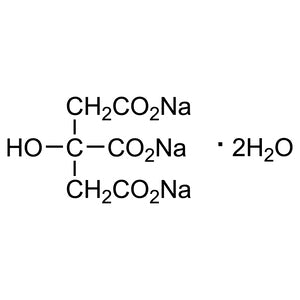
TrisodiumCitrateDihydrate TCI T4390
Regular price From Rp 452.550,00Regular priceRp 316.050,00Sale price From Rp 452.550,00

![112-88-9 1-Octadecene [Standard Material for GC] - AMI Scientific](http://amiscientific.com/cdn/shop/files/TCI2510S0348.jpg?v=1769143462&width=533)