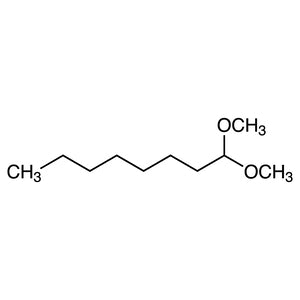
n-Octanal is an organic compound classified as an aldehyde, with the chemical formula C₉H₁₈O. It serves as a fundamental building block in chemical synthesis, playing a crucial role in the development of complex molecules. In laboratory settings, it is widely used as a starting material for various reactions, including substitution, oxidation, and reduction. Its versatility makes it an essential component in both academic and industrial research environments. Due to its chemical stability under controlled conditions, it is a reliable reagent for synthetic pathways requiring precise molecular manipulation.
One of the key properties that make n-Octanal a preferred choice is its strong, distinctive aroma, which is often utilized in fragrance and cosmetic formulations. However, its chemical reactivity and sensitivity to oxidation and reaction with alkali metals require careful handling. Despite these sensitivities, its volatility and solubility characteristics make it suitable for a range of chemical processes. The compound’s physical properties, such as its ability to dissolve in organic solvents, further enhance its utility in laboratory applications.
In Indonesian laboratories, n-Octanal is commonly used in chemical research, particularly in the synthesis of aromatic and aliphatic compounds. It is frequently found in university and industrial laboratories, where it supports a wide array of experiments and product development. Its role in both basic and applied research underscores its importance in the chemical sciences within the region.
TCI brochures (PDF)
- Lipids 2025-12-17 · p. 14
Related TCI products
- Synthesis of Aromatic Compounds: n-Octanal is used to create aromatic derivatives due to its reactivity in oxidation and substitution reactions.
- Cosmetic Formulation Development: Its strong, pleasant aroma makes it ideal for use in fragrance and cosmetic product development.
- Industrial Chemical Research: It is a key reagent in the development of new chemical products and materials in industrial laboratories.
- Organic Synthesis Reactions: Its versatility in substitution, oxidation, and reduction reactions supports a wide range of synthetic pathways.
- Analytical Chemistry Testing: It is used as a reference standard in analytical procedures to test the purity and reactivity of other compounds.
| Brand | TCI |
|---|---|
| CAS number | 124-13-0 |
| Molecular formula | — |
| Purity | — |
| Category | Chemistry > Building Blocks > Non-Heterocyclic Building Blocks |
| Pack sizes | Available in various quantities as per standard laboratory supply specifications |
| Physical form | Liquid |
| Storage | Must be stored in a sealed container, away from heat and sources of ignition |
n-Octanal should be stored in a sealed container to prevent evaporation due to its volatile nature. It is essential to keep it away from heat sources and open flames to avoid the risk of ignition. The compound is sensitive to oxidation and should be stored in a cool, dark place to maintain its chemical stability. Appropriate personal protective equipment, such as gloves and goggles, should be worn during handling to ensure safety. In laboratory environments, it is recommended to use fume hoods when working with n-Octanal to minimize exposure and maintain a safe working atmosphere. Proper ventilation and storage conditions are critical to ensure the safe use and long-term stability of this compound.
—
Produk Terkait
-
n-OctanalDimethylAcetal TCI O0175
Regular price Rp 3.976.350,00Regular priceRp 2.780.400,00Sale price Rp 3.976.350,00