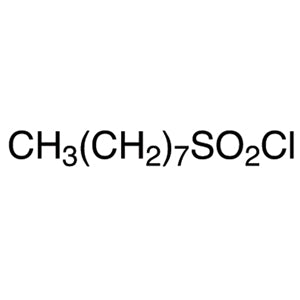
1-Octanesulfonyl Chloride (TCI O0150), with CAS number 7795-95-1, is a versatile chemical compound widely used in organic laboratory reactions. It serves as a key reagent in various synthetic processes, particularly in substitution reactions where sulfonate groups are introduced. This compound is an essential building block in the synthesis of both heterocyclic and non-heterocyclic compounds, making it a valuable tool for chemists. Its reactivity and ability to participate in multiple functional group transformations make it a preferred choice in synthetic chemistry.
The compound is known for its high reactivity and its ability to form stable sulfonate esters under appropriate conditions. Its molecular structure is stable, yet it is highly sensitive to moisture and air, which requires careful handling and storage. These properties make it suitable for a wide range of applications in both academic and industrial research settings. The compound's effectiveness in promoting sulfonation reactions has made it a staple in many laboratory workflows.
In Indonesian laboratories, 1-Octanesulfonyl Chloride is commonly used in organic chemistry research, especially in higher education institutions and research organizations. Its utility in synthesizing complex molecules and its reliability in laboratory settings have made it a popular choice among researchers. The compound is often employed in projects that require precise chemical transformations and reliable reactivity. Its availability and performance make it a key component in many chemical experiments.
Related TCI products
- TCI O0123 5324-84-5 Sodium 1-Octanesulfonate
- TCI I0802 98995-40-5 4-Isopropoxybenzenesulfonyl Chloride
- TCI I0811 63059-29-0 2-Iodobenzenesulfonyl Chloride
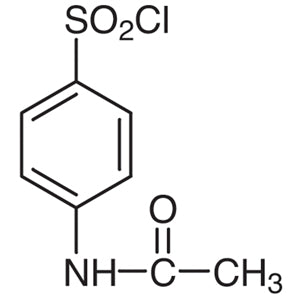
- TCI A0074 121-60-8 4-Acetamidobenzenesulfonyl Chloride
- TCI T2035 51527-73-2 2,4,6-Trichlorobenzenesulfonyl Chloride
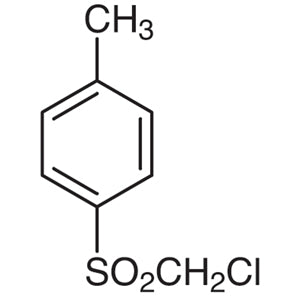
- TCI T1505 7569-26-8 p-Toluenesulfonylmethyl Chloride
- Organic synthesis reactions benefit from 1-Octanesulfonyl Chloride due to its ability to introduce sulfonate groups efficiently, enhancing the yield and purity of target compounds.
- Sulfonation processes in the development of pharmaceuticals and agrochemicals rely on this reagent for its reactivity and compatibility with various functional groups.
- Heterocyclic compound synthesis requires this compound as a sulfonating agent, enabling the formation of complex ring structures with high selectivity.
- Non-heterocyclic compound synthesis utilizes this reagent for its versatility in forming sulfonate esters, supporting diverse synthetic pathways.
- Research laboratories use this compound for its reliability in controlled chemical transformations, ensuring consistent results in experimental protocols.
| Brand | TCI |
|---|---|
| CAS number | 7795-95-1 |
| Molecular formula | — |
| Purity | — |
| Category | Chemistry > Building Blocks > Non-Heterocyclic Building Blocks |
| Pack sizes | Available in various quantities as per standard laboratory supply options |
| Physical form | Solid |
| Storage | Requires dry, cool, and well-ventilated conditions to prevent degradation |
1-Octanesulfonyl Chloride should be stored in a dry, cool, and well-ventilated area to prevent moisture-induced degradation. It is recommended to use airtight containers made of materials such as glass or polyethylene to minimize exposure to air and humidity. Due to its sensitivity, it should be handled with care using appropriate personal protective equipment, including gloves and safety goggles. The compound should be kept away from heat sources and incompatible materials to ensure safety. Regular inspection of storage conditions is advised to maintain its stability and effectiveness for laboratory use. Proper storage practices are essential to preserve its reactivity and ensure safe handling in laboratory environments.
—
Produk Terkait
-
Sodium1-Octanesulfonate TCI O0123
Regular price From Rp 1.776.600,00Regular price -
4-IsopropoxybenzenesulfonylChloride TCI I0802
Regular price From Rp 2.597.700,00Regular price -
2-IodobenzenesulfonylChloride TCI I0811
Regular price From Rp 4.506.600,00Regular price -
4-AcetamidobenzenesulfonylChloride TCI A0074
Regular price Rp 2.227.050,00Regular price -
2,4,6-TrichlorobenzenesulfonylChloride TCI T2035
Regular price From Rp 2.016.000,00Regular price -
p-ToluenesulfonylmethylChloride TCI T1505
Regular price Rp 2.411.850,00Regular price -
5-Bromo-2-methoxybenzenesulfonylChloride TCI B3965
Regular price From Rp 1.193.850,00Regular price -
4-(Bromomethyl)benzenesulfonylChloride TCI B3936
Regular price From Rp 1.353.450,00Regular price