5-Bromo-2-methoxybenzenesulfonyl Chloride is a chemical compound widely used in organic synthesis as a building block for the creation of complex organic molecules. This reagent plays a crucial role in laboratory settings, particularly in the development of pharmaceuticals and specialty chemicals. Its unique molecular structure, featuring a bromo group, methoxy group, and sulfonate chloride, makes it highly versatile for various chemical reactions. Due to its reactivity and functional group diversity, it is a valuable tool for chemists aiming to modify molecular structures through substitution and nucleophilic reactions.
The compound is known for its solubility in common organic solvents such as ethyl acetate and chloroform, which facilitates its use in a wide range of synthetic procedures. Its stability under controlled conditions further enhances its usability in both research and industrial applications. The presence of the sulfonate chloride group provides a reactive site that can be activated for electrophilic reactions, making it an essential component in the synthesis of active pharmaceutical ingredients and functional materials.
In Indonesian laboratories, 5-Bromo-2-methoxybenzenesulfonyl Chloride is extensively used in organic chemistry research, particularly in the fields of pharmaceutical development and material science. It is commonly found in academic and industrial research settings where the synthesis of complex compounds is required. Its reliability and reactivity make it a preferred choice for chemists working on drug discovery and advanced chemical synthesis projects.
Related TCI products
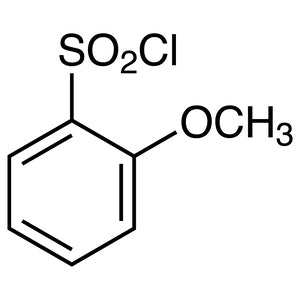
- TCI M3470 10130-87-7 2-Methoxybenzenesulfonyl Chloride
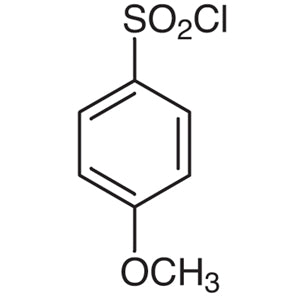
- TCI M0802 98-68-0 4-Methoxybenzenesulfonyl Chloride
- TCI C2740 22952-32-5 5-Chloro-2-methoxybenzenesulfonyl Chloride
- TCI I0802 98995-40-5 4-Isopropoxybenzenesulfonyl Chloride
- TCI I0811 63059-29-0 2-Iodobenzenesulfonyl Chloride
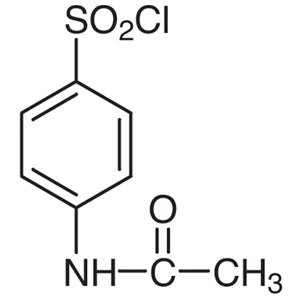
- TCI A0074 121-60-8 4-Acetamidobenzenesulfonyl Chloride
- Organic synthesis is a key application where this compound serves as a versatile building block for creating complex molecules through nucleophilic and electrophilic reactions.
- Pharmaceutical research benefits from its use in the development of active pharmaceutical ingredients due to its reactivity and functional group versatility.
- Material science applications leverage its ability to participate in chemical reactions that modify molecular structures for advanced material synthesis.
- Analytical chemistry uses it as a reagent in the preparation of standards and intermediates for compound identification and quantification.
- Industrial chemical production incorporates it as a precursor for the synthesis of specialty chemicals and intermediates used in various manufacturing processes.
| Brand | TCI |
|---|---|
| CAS number | 23095-05-8 |
| Molecular formula | — |
| Purity | — |
| Category | Chemistry > Building Blocks > Non-Heterocyclic Building Blocks |
| Pack sizes | Available in various quantities as per supplier specifications |
| Physical form | Solid or liquid, depending on the specific product formulation |
| Storage | Store in a cool, dry place away from moisture and direct sunlight |
This compound should be stored in a cool, dry environment, away from moisture and direct sunlight to maintain its stability and reactivity. It is recommended to use airtight containers made of glass or high-density polyethylene to prevent contamination and degradation. Due to its chemical nature, it should be handled with appropriate personal protective equipment, including gloves and safety goggles. In laboratory settings, it is important to ensure good ventilation and to avoid exposure to incompatible substances. Proper labeling and storage conditions are essential to ensure safe handling and long-term usability.
—
Produk Terkait
-
2-MethoxybenzenesulfonylChloride TCI M3470
Regular price From Rp 1.485.750,00Regular priceRp 1.038.450,00Sale price From Rp 1.485.750,00 -
4-MethoxybenzenesulfonylChloride TCI M0802
Regular price From Rp 1.988.700,00Regular priceRp 1.390.200,00Sale price From Rp 1.988.700,00 -
5-Chloro-2-methoxybenzenesulfonylChloride TCI C2740
Regular price From Rp 1.538.250,00Regular priceRp 1.075.200,00Sale price From Rp 1.538.250,00 -
4-IsopropoxybenzenesulfonylChloride TCI I0802
Regular price From Rp 2.597.700,00Regular priceRp 1.816.500,00Sale price From Rp 2.597.700,00 -
2-IodobenzenesulfonylChloride TCI I0811
Regular price From Rp 4.506.600,00Regular priceRp 3.151.050,00Sale price From Rp 4.506.600,00 -
4-AcetamidobenzenesulfonylChloride TCI A0074
Regular price Rp 2.279.550,00Regular priceRp 1.609.650,00Sale price Rp 2.279.550,00 -
2,4,6-TrichlorobenzenesulfonylChloride TCI T2035
Regular price From Rp 2.016.000,00Regular priceRp 1.409.100,00Sale price From Rp 2.016.000,00 -
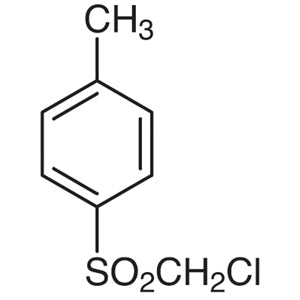
p-ToluenesulfonylmethylChloride TCI T1505
Regular price Rp 2.411.850,00Regular priceRp 1.686.300,00Sale price Rp 2.411.850,00