2-Methoxybenzenesulfonyl Chloride is a chemical compound widely used as a building block in the synthesis of complex organic compounds. It plays a crucial role in laboratory settings, particularly in organic chemistry research, where it serves as a versatile reagent for various chemical reactions. This compound is commonly employed in substitution reactions and bond-forming processes, making it an essential component in the development of both heterocyclic and non-heterocyclic structures. Its ability to participate in multiple reaction pathways enhances its utility in synthetic chemistry.
The compound is known for its chemical stability under controlled conditions, yet it exhibits high reactivity towards bases, water, and electrophilic reagents. This reactivity makes it ideal for reactions requiring specific activation, such as nucleophilic or substitution reactions. Its reactivity profile allows chemists to tailor synthetic routes with precision, making it a preferred choice for those seeking to create complex molecular architectures. These properties contribute to its widespread use in both academic and industrial research environments.
In Indonesian laboratories, 2-Methoxybenzenesulfonyl Chloride is extensively used in organic chemistry research, particularly in the synthesis of pharmaceuticals, materials, and other specialty chemicals. Its role in facilitating complex chemical transformations makes it a valuable tool for researchers working on drug development, polymer synthesis, and other advanced chemical applications.
Related TCI products
- TCI B3965 23095-05-8 5-Bromo-2-methoxybenzenesulfonyl Chloride
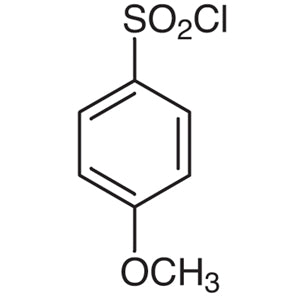
- TCI M0802 98-68-0 4-Methoxybenzenesulfonyl Chloride
- TCI C2740 22952-32-5 5-Chloro-2-methoxybenzenesulfonyl Chloride
- TCI I0802 98995-40-5 4-Isopropoxybenzenesulfonyl Chloride
- TCI I0811 63059-29-0 2-Iodobenzenesulfonyl Chloride
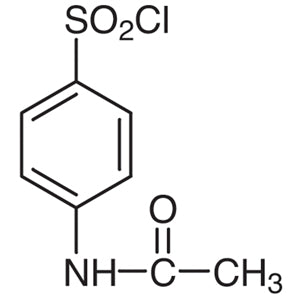
- TCI A0074 121-60-8 4-Acetamidobenzenesulfonyl Chloride
- Organic synthesis of pharmaceutical compounds due to its reactivity in nucleophilic substitution reactions.
- Preparation of heterocyclic and non-heterocyclic structures through bond-forming processes.
- Development of new materials by enabling the formation of complex molecular frameworks.
- Facilitation of electrophilic substitution reactions in synthetic chemistry applications.
- Use in academic research for teaching and experimental purposes in organic chemistry laboratories.
| Brand | TCI |
|---|---|
| CAS number | 10130-87-7 |
| Molecular formula | — |
| Purity | — |
| Category | Chemistry > Building Blocks > Non-Heterocyclic Building Blocks |
| Pack sizes | Available in various quantities as per supplier specifications |
| Physical form | Solid (as per standard product description) |
| Storage | Store in a cool, dry place away from moisture and light |
This compound should be stored in a cool, dry environment to maintain its chemical stability. It is recommended to use airtight containers to prevent exposure to moisture and air, which can affect its reactivity. Due to its sensitivity to water and bases, it should be handled with care, using appropriate personal protective equipment such as gloves and goggles. Storage should be in a well-ventilated area to minimize the risk of inhalation of vapors. Avoid contact with incompatible materials, such as strong bases or electrophilic reagents, to ensure safe handling and long-term stability.
—
Produk Terkait
-
5-Bromo-2-methoxybenzenesulfonylChloride TCI B3965
Regular price From Rp 1.193.850,00Regular price -
4-MethoxybenzenesulfonylChloride TCI M0802
Regular price From Rp 1.988.700,00Regular price -
5-Chloro-2-methoxybenzenesulfonylChloride TCI C2740
Regular price From Rp 1.538.250,00Regular price -
4-IsopropoxybenzenesulfonylChloride TCI I0802
Regular price From Rp 2.597.700,00Regular price -
2-IodobenzenesulfonylChloride TCI I0811
Regular price From Rp 4.506.600,00Regular price -
4-AcetamidobenzenesulfonylChloride TCI A0074
Regular price Rp 2.227.050,00Regular price -
2,4,6-TrichlorobenzenesulfonylChloride TCI T2035
Regular price From Rp 2.016.000,00Regular price -
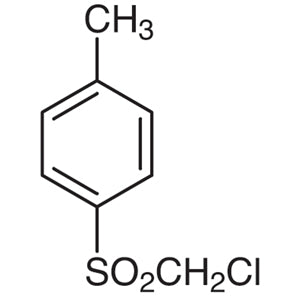
p-ToluenesulfonylmethylChloride TCI T1505
Regular price Rp 2.411.850,00Regular price