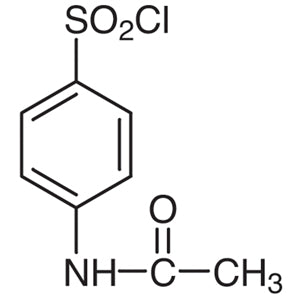
5-Chloro-2-methoxybenzenesulfonyl Chloride is a versatile organic compound widely used in laboratory settings for its role in synthetic chemistry. This compound serves as a key building block in the synthesis of various organic molecules, particularly those involving heterocyclic structures and sulfonate derivatives. Its unique chemical structure enables it to participate in a range of chemical reactions, making it an essential reagent for researchers working in organic chemistry and pharmaceutical development. Due to its stability and reactivity, it is frequently employed in substitution and replacement reactions, allowing the formation of new compounds with distinct chemical and biological properties.
The compound’s chemical properties make it a preferred choice for synthetic applications. It exhibits controlled reactivity, which allows for precise manipulation in reaction conditions. Its ability to form stable intermediates and interact with a variety of functional groups enhances its utility in complex synthetic pathways. These characteristics make it a valuable tool for scientists aiming to develop new compounds with specific biological functions. Its reliability and consistent performance in laboratory experiments contribute to its popularity among researchers.
In Indonesian laboratories, 5-Chloro-2-methoxybenzenesulfonyl Chloride is commonly used in scientific research and the development of new compounds, especially in the fields of pharmacy and organic chemistry. Its availability in the local market ensures that researchers have access to this essential reagent for their experiments. Its role in advancing chemical and pharmaceutical research is significant, supporting both academic and industrial applications.
Related TCI products
- TCI B3965 23095-05-8 5-Bromo-2-methoxybenzenesulfonyl Chloride
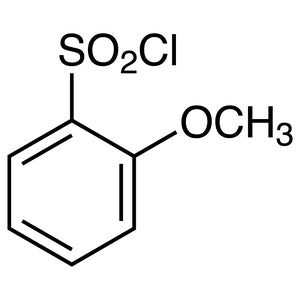
- TCI M3470 10130-87-7 2-Methoxybenzenesulfonyl Chloride
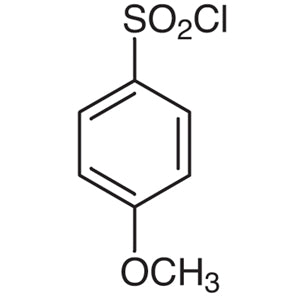
- TCI M0802 98-68-0 4-Methoxybenzenesulfonyl Chloride
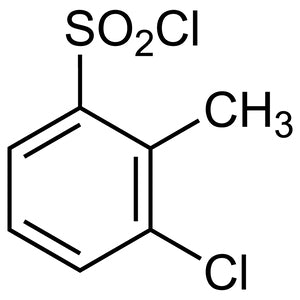
- TCI C4126 80563-86-6 3-Chloro-2-methylbenzenesulfonyl Chloride
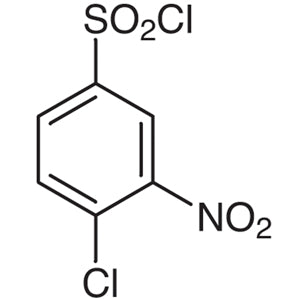
- TCI C1887 97-08-5 4-Chloro-3-nitrobenzenesulfonyl Chloride
- TCI I0802 98995-40-5 4-Isopropoxybenzenesulfonyl Chloride
- Organic synthesis applications benefit from this compound’s ability to participate in substitution and replacement reactions, enabling the creation of complex molecular structures.
- Pharmaceutical research utilizes this reagent to develop new compounds with specific biological functions, supporting drug discovery and development efforts.
- Heterocyclic compound synthesis relies on its structural versatility, allowing for the formation of diverse ring systems with tailored properties.
- Sulfonate derivative synthesis is enhanced by its reactivity, making it a valuable tool in the preparation of functionalized organic molecules.
- Chemical research in Indonesian laboratories uses this compound to explore new synthetic pathways and expand the range of available chemical compounds.
| Brand | TCI |
|---|---|
| CAS number | 22952-32-5 |
| Molecular formula | — |
| Purity | — |
| Category | Chemistry > Building Blocks > Non-Heterocyclic Building Blocks |
| Pack sizes | Available in various quantities as per standard laboratory supply |
| Physical form | Solid, crystalline powder |
| Storage | Store in a cool, dry place away from moisture and direct sunlight |
This compound should be stored in a cool, dry environment to maintain its chemical stability. It is recommended to keep it in a sealed container to prevent exposure to moisture and air, which could affect its reactivity. Due to its potential chemical reactivity, it should be handled with appropriate laboratory safety measures, such as wearing gloves and goggles. It is advisable to store it in a well-ventilated area to minimize any risk of inhalation. Proper labeling of containers is essential to ensure safe handling and prevent accidental use. Regular inspection of storage conditions helps maintain the integrity of the compound for laboratory use.
—
Produk Terkait
-
5-Bromo-2-methoxybenzenesulfonylChloride TCI B3965
Regular price From Rp 1.193.850,00Regular price -
2-MethoxybenzenesulfonylChloride TCI M3470
Regular price From Rp 1.485.750,00Regular price -
4-MethoxybenzenesulfonylChloride TCI M0802
Regular price From Rp 1.988.700,00Regular price -
3-Chloro-2-methylbenzenesulfonylChloride TCI C4126
Regular price From Rp 1.035.300,00Regular price -
4-Chloro-3-nitrobenzenesulfonylChloride TCI C1887
Regular price From Rp 717.150,00Regular price -
4-IsopropoxybenzenesulfonylChloride TCI I0802
Regular price From Rp 2.597.700,00Regular price -
2-IodobenzenesulfonylChloride TCI I0811
Regular price From Rp 4.506.600,00Regular price -
4-AcetamidobenzenesulfonylChloride TCI A0074
Regular price Rp 2.227.050,00Regular price