Diethyl 3-Oxopimelate is a chemical compound widely used as a building block in organic synthesis. This versatile reagent plays a crucial role in laboratories by enabling the construction of complex molecular structures through various chemical reactions. Its molecular structure allows for participation in reactions such as esterification, reduction, and substitution, making it an essential tool for synthetic chemists. In research settings, it supports the development of new compounds with potential applications in pharmaceuticals and materials science.
The compound's chemical properties make it a preferred choice for laboratory use. It contains an ester group, which is highly reactive and can interact with a variety of reagents, including acids, bases, and alkali metals. This reactivity allows for precise molecular modifications, which are critical in synthetic pathways. However, Diethyl 3-Oxopimelate is sensitive to moisture and air exposure, requiring careful handling and storage to maintain its integrity and effectiveness.
In Indonesian laboratories, Diethyl 3-Oxopimelate is commonly used in organic chemistry research, particularly in academic and industrial settings. It is a key component in the development of new chemical compounds with potential applications in drug discovery and material innovation. Its availability in the local market ensures that researchers and students have access to this important reagent for their experiments and studies.
Related TCI products
- TCI A0231 2049-80-1 Diethyl Allylmalonate
- TCI A0089 762-21-0 Diethyl Acetylenedicarboxylate
- TCI A0055 105-50-0 Diethyl 1,3-Acetonedicarboxylate
- TCI T1401 81172-89-6 Terephthalaldehyde Mono(diethyl Acetal)
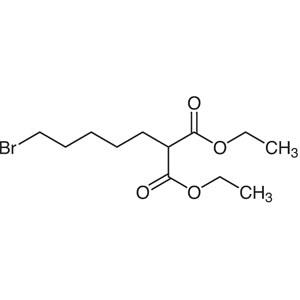
- TCI B2083 1906-95-2 Diethyl (5-Bromopentyl)malonate
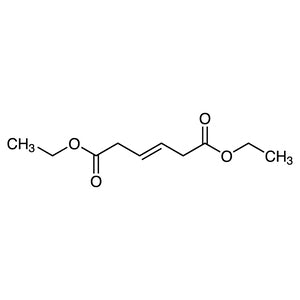
- TCI B1592 57042-08-7 Diethyl trans-3-Hexenedioate
- Organic synthesis experiments benefit from Diethyl 3-Oxopimelate due to its reactivity and ability to form complex molecular structures through esterification and substitution reactions.
- Pharmaceutical research utilizes this compound to develop new drug molecules by modifying its structure through various chemical transformations.
- Academic institutions use it in teaching and research to provide hands-on experience in synthetic chemistry and molecular construction techniques.
- Industrial laboratories incorporate it into processes for creating specialized chemical materials with unique properties.
- Material science projects leverage its chemical versatility to synthesize compounds with potential applications in advanced materials and coatings.
| Brand | TCI |
|---|---|
| CAS number | 40420-22-2 |
| Molecular formula | — |
| Purity | — |
| Category | Chemistry > Building Blocks > Non-Heterocyclic Building Blocks |
| Pack sizes | Available in standard laboratory quantities |
| Physical form | Solid or liquid, depending on supplier packaging |
| Storage | Requires dry, cool, and well-ventilated conditions |
Diethyl 3-Oxopimelate should be stored in a dry, cool, and well-ventilated area away from moisture and direct sunlight. It is recommended to keep the compound in a sealed container to prevent exposure to air and humidity, which can degrade its chemical integrity. Suitable storage containers include glass or high-density polyethylene (HDPE) bottles with tight-fitting lids. In laboratory settings, it is important to handle the compound with appropriate personal protective equipment (PPE), such as gloves and safety goggles, to ensure safety during use. Avoid contact with skin and eyes, and ensure proper ventilation when working with this reagent to minimize inhalation risks.
—
Produk Terkait
-
DiethylAllylmalonate TCI A0231
Regular price From Rp 2.068.500,00Regular price -
DiethylAcetylenedicarboxylate TCI A0089
Regular price From Rp 2.837.100,00Regular price -
Diethyl1,3-Acetonedicarboxylate TCI A0055
Regular price From Rp 1.140.300,00Regular price -
TerephthalaldehydeMono(diethylAcetal) TCI T1401
Regular price Rp 3.578.400,00Regular price -
Diethyl(5-Bromopentyl)malonate TCI B2083
Regular price From Rp 2.254.350,00Regular price -
Diethyltrans-3-Hexenedioate TCI B1592
Regular price Rp 5.062.050,00Regular price -
Diethyl2,2-Bis(hydroxymethyl)malonate TCI B1492
Regular price From Rp 3.021.900,00Regular price -
DiethylBromomalonate TCI B1205
Regular price From Rp 1.008.000,00Regular price